
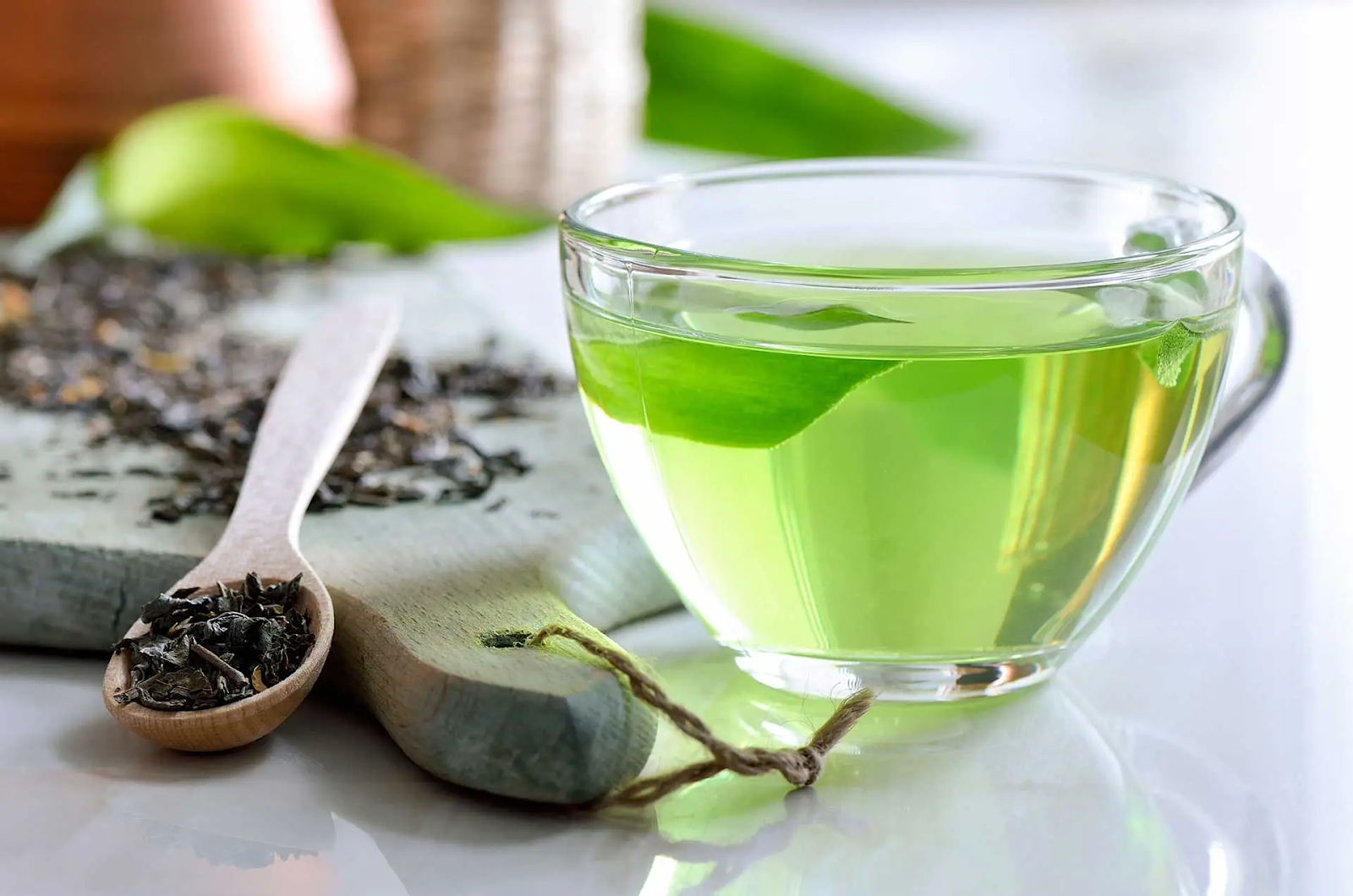
Green tea, a simple beverage steeped in tradition, offers a surprising bounty of health benefits. For centuries, cultures around the world have enjoyed this emerald elixir, prized for its delicate flavor and potential medicinal properties. Modern science is now catching up, unveiling the reasons why green tea deserves a prominent place in your wellness routine.
This article dives deep into the world of green tea, exploring its potential to boost your health, improve cognitive function, and even aid in weight management.

A Treasure Trove of Nutrients: Unveiling the Powerhouse Within
Green tea’s health benefits stem from its impressive nutrient profile. Here’s a glimpse into what makes each sip so powerful:
Antioxidants Galore: Green tea is brimming with antioxidants, particularly flavonoids called catechins. These antioxidants fight free radicals in the body, protecting cells from damage and potentially reducing the risk of chronic diseases. Epigallocatechin gallate (EGCG) is a particularly potent catechin in green tea, believed to be responsible for many of its health benefits.
L-Theanine: This unique amino acid promotes relaxation and focus. L-theanine works synergistically with caffeine in green tea, providing a gentle alertness without the jitters often associated with coffee.
Vitamins and Minerals: Green tea offers a modest amount of vitamins and minerals, including vitamin C, vitamin K, potassium, and magnesium.
Brewing Up Benefits: Exploring the Positive Impact of Green Tea
Green tea’s potential health benefits are vast and continue to be explored by researchers. Here are some of the most promising areas:
Enhanced Brainpower: Studies suggest green tea may improve cognitive function, memory, and focus. The combination of caffeine and L-theanine is thought to be particularly beneficial for cognitive performance.
Promotes Heart Health: Green tea’s antioxidants may help lower bad cholesterol (LDL) and improve blood pressure, potentially reducing the risk of heart disease.
Weight Management Ally: Green tea may modestly aid in weight management by boosting metabolism and promoting fat burning. However, it’s not a magic bullet and works best when combined with a healthy diet and exercise.
Cancer Prevention: While research is ongoing, some studies suggest green tea may have properties that help protect against certain types of cancer. The antioxidants and other compounds in green tea may play a role in this potential benefit.
Boosts Immunity: Green tea’s antioxidants may strengthen the immune system and help fight off infections.

Beyond the Basics: Brewing the Perfect Cup and Unlocking Green Tea’s Potential
Here are some tips to maximize the enjoyment and potential health benefits of green tea:
Steep it Right: Water temperature and steeping time significantly affect green tea’s flavor and health benefits. Generally, use cooler water (around 170°F) and shorter steeping times (1-3 minutes) for delicate green teas.
Explore Varieties: From the grassy notes of Sencha to the toasted aroma of Genmaicha, a world of green tea varieties awaits exploration. Experiment to find your perfect cup.
Quality Matters: Choose loose leaf green tea or high-quality tea bags for the best flavor and potential health benefits.
Add a Twist: Lemon, honey, or even a sprig of mint can enhance your green tea experience without compromising its health benefits.
Remember: Green tea is a natural beverage, and its effects may vary from person to person. If you have any concerns, consult your doctor before incorporating green tea into your routine.
Potential Side Effects and Considerations for Green Tea Consumption
While generally safe for most people in moderation, green tea can have some drawbacks to consider:
Interference with Medication: Green tea may interact with certain medications. Consult your doctor if you take any medications before regularly consuming green tea.
Impact on Iron Absorption: Green tea can slightly hinder iron absorption. If you have iron deficiency, space out green tea consumption from iron-rich meals.
Caffeine Content: While lower than coffee, green tea does contain caffeine. Be mindful of your caffeine intake, especially if you’re sensitive to its effects or pregnant/breastfeeding.
The Future of Green Tea: Research and Emerging Trends
Green tea research continues to unveil its potential benefits. Here are some exciting areas of exploration:
Gut Health: Studies are investigating the potential role of green tea in promoting gut health and a balanced gut microbiome.
Mental Health Benefits: Research is exploring the potential of green tea to improve mood, reduce anxiety, and even aid in managing depression.
Complementary Practices: Optimizing Your Wellness Journey
Green tea can be a wonderful complement to a holistic approach to well-being. Here are some additional practices to consider:
Healthy Diet and Exercise: A balanced diet rich in fruits, vegetables, and whole grains, coupled with regular exercise, provides a strong foundation for optimal health.
Stress management: Extended periods of stress can be harmful to your health. Examine methods for reducing stress, such as yoga, meditation, or going outside.
Quality Sleep: Aim for 7-8 hours of quality sleep each night for optimal physical and mental well-being.

Conclusion: Embrace the Power of Green Tea
Green tea offers a simple and delicious way to enhance your well-being. With its treasure trove of antioxidants, L-theanine, and other beneficial compounds, green tea can be a valuable addition to your wellness routine. So, steep yourself a cup, savor the delicate flavor, and embrace the potential health benefits this ancient beverage has to offer.
Remember: A healthy lifestyle that incorporates a balanced diet, regular exercise, stress management practices, and quality sleep is key to optimal well-being. Green tea can be a wonderful complement to this approach, offering a natural and delicious way to support your health journey. However, it’s not a magic bullet for any health condition. You should always speak with a healthcare provider if you have any concerns.
FAQs
Green tea, a simple beverage steeped in tradition and potential health benefits, has piqued the curiosity of many. Whether you’ve stumbled upon it on Youtube or are reading about it for the first time, this FAQ sheds light on green tea’s wonders:
What is Green Tea?
The leaves of the Camellia sinensis plant are used to make green tea, which is an unoxidized tea.Unlike black tea, green tea undergoes minimal processing, preserving its natural antioxidants and a greener color.
What are the potential health benefits of Green Tea?
Green tea boasts a range of potential benefits, thanks to its treasure trove of antioxidants and other bioactive compounds:
Boosts Brainpower: Studies suggest green tea might enhance cognitive function, memory, and focus due to the presence of caffeine and L-theanine, an amino acid with calming effects.
Supports Heart Health: Green tea may contribute to a healthy heart by potentially lowering bad cholesterol and improving blood flow.
Aids Weight Management: Green tea might modestly increase metabolism and promote fat burning, aiding weight management efforts alongside a healthy diet and exercise.
Promotes Relaxation: L-theanine in green tea may counteract the jittery effects of caffeine, promoting relaxation and reducing stress.
Offers Dental Benefits: Green tea’s antibacterial properties might help reduce bad breath and promote oral health.
Remember: While these benefits are promising, further research is needed to solidify the cause-and-effect relationships.
How much Green Tea should I drink?
Moderation is key! Generally, 2-3 cups of green tea daily is considered safe for most healthy adults. If you are aware of any underlying medical conditions, speak with your physician.
What are some ways to enjoy Green Tea?
Green tea offers a world of flavor exploration:
Classic Hot Tea: Steep green tea leaves in hot water for a simple and refreshing beverage. Experiment with steeping times and water temperature to find your perfect cup.
Iced Green Tea: Quench your thirst with chilled green tea. Add a squeeze of lemon or mint for a delightful twist.
Green Tea Lattes: Blend green tea with milk and honey for a creamy and comforting tea latte.
Green Tea Smoothies: Add a boost of antioxidants to your smoothie by incorporating green tea.
Searching for Green Tea on Youtube? Here’s what to consider:
Brewing Tutorials: Learn different ways to steep and prepare green tea for the perfect cup.
Health Discussions: Explore videos from qualified health professionals discussing the potential benefits of green tea. Be wary of sensational claims and miracle cures.
Green Tea Recipes: Discover creative ways to incorporate green tea into your diet, from lattes to savory dishes.
Remember: Not all Youtube content is created equal. Approach health information with a critical eye and consult your doctor before making significant dietary changes.
Is Green Tea right for me?
Green tea is generally safe for most people, but it’s always a good idea to talk to your doctor, especially if you have any health concerns or are taking medications.
So, is Green Tea Worth the Hype?
While more research is ongoing, green tea offers a delicious and potentially health-promoting beverage. With its range of flavors and brewing methods, it’s easy to incorporate green tea into your daily routine. Enjoy a cup (or two!), embrace the potential benefits, and embark on a journey of green tea exploration!
To read more, Click Here.