
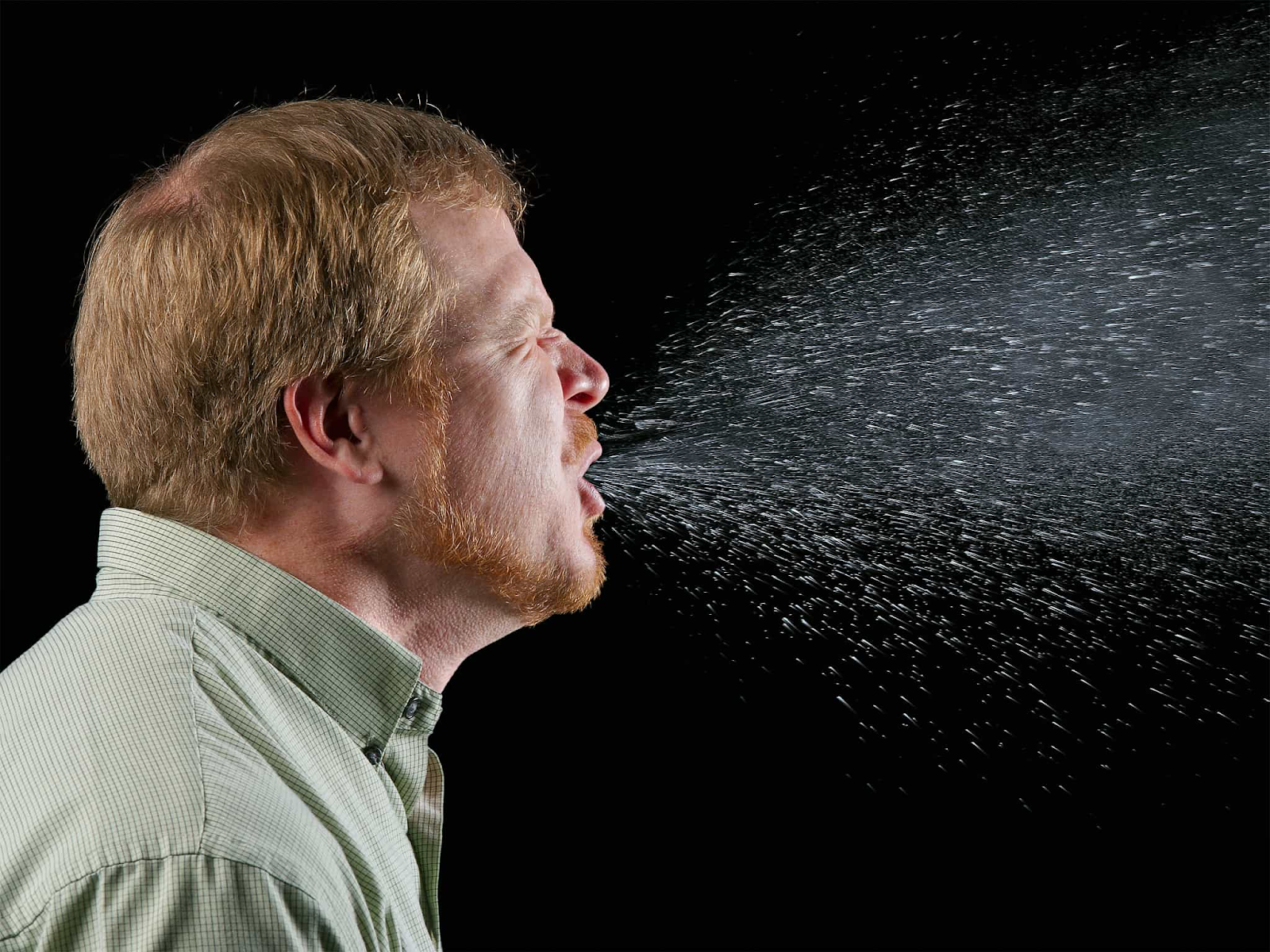
We’ve all been there: an annoying cough that lingers even when you feel perfectly healthy. While a cough is often associated with illness, a surprisingly wide range of factors can trigger coughing without bringing on the usual suite of cold or flu symptoms.
This article explores the various reasons behind a non-sickness cough, helping you identify the culprit and find relief.

Understanding the Cough Reflex: A Body’s Defense Mechanism
A cough is a protective reflex that helps clear irritants and mucus from your airways. When irritant particles tickle receptors in your air passages, a signal travels to your brain triggering a powerful expulsion of air to dislodge the offending substance. This reflex keeps your airways clear and prevents infections.
Beyond the Bug: Common Causes of Coughing Without Feeling Sick
While coughing during a cold or flu is common, several other conditions can cause a persistent cough without other symptoms:
Post-Viral Cough: Even after a cold or flu subsides, a cough can linger for weeks. This is due to inflammation and irritation in the airways that haven’t fully healed.
Allergies: If you inhale allergens like dust, pollen, pet dander, or mold, your immune system can overreact, triggering inflammation and coughing. This is especially true during allergy season.
Postnasal Drip: When excess mucus drains down the back of your throat from your sinuses, it can irritate your throat and trigger coughing. This can be caused by allergies, sinusitis, or even dry air.
Acid Reflux (GERD): Stomach acid can reflux up into your esophagus (the tube connecting your mouth to your stomach) causing irritation and a cough. Heartburn may not always accompany GERD, so a cough could be the only symptom.
Irritants: Smoke, air pollution, strong perfumes, and even dry air can irritate your airways and trigger coughing.
Medications: Certain blood pressure medications, known as ACE inhibitors, can cause a dry cough as a side effect.

Identifying the Cause: Key Clues to Unmask the Culprit
While a diagnosis is best left to a doctor, paying attention to certain clues can help you narrow down the possible cause of your cough:
Duration: A cough that lasts less than 3 weeks is more likely due to a viral infection or allergies. A cough persisting longer could indicate postnasal drip, GERD, or environmental irritants.
Mucus Production: A productive cough with mucus may point towards a cold, allergies, or sinusitis. A dry, hacking cough is more common with postnasal drip, GERD, or irritants. GERD, as lying down allows stomach acid to rise more easily. A cough triggered by morning cold air could suggest irritant-induced cough.
Triggers: Notice if your cough seems to worsen after exposure to certain allergens, smoke, or after taking certain medications.
Seeking Medical Help: When to See a Doctor
If your cough is severe, lasts longer than 8 weeks, is accompanied by other symptoms like fever, shortness of breath, wheezing, or blood in the mucus, consult your doctor. Early diagnosis and treatment can address the underlying cause and provide relief.

Finding Relief: Soothing Strategies for a Persistent Cough
Here are some tips to ease a non-sickness cough:
Identify and Avoid Triggers: If allergies are the culprit, minimize exposure to allergens. If smoke or irritants trigger your cough, avoid those environments whenever possible.
Increase Humidity: Dry air can irritate your airways. Using a humidifier at night can add moisture to the air and soothe a cough.
Stay Hydrated: Drinking plenty of fluids helps thin mucus and make it easier to cough up.
Try Over-the-Counter Medications: Expectorants can help loosen mucus, while cough suppressants can calm the cough reflex. Talk to your pharmacist to find the right medication for your cough type.
Soothe Your Throat: Gargling with warm salt water or sucking on lozenges can soothe a scratchy throat and reduce coughing.
Natural Remedies: While evidence is limited, some people find relief with natural remedies like honey (for adults only), ginger, or menthol lotions. Discuss these options with your doctor before use.
Remember: This article provides general information and should not be interpreted as medical advice. If your cough persists or worsens, consult your doctor for proper diagnosis and treatment.
By understanding the possible causes of a non-sickness cough and taking steps to address the underlying issue, you can find relief and get back to breathing easy.
FAQs
A nagging cough can be disruptive and leave you wondering what’s lurking beneath the surface. This FAQ dives into the reasons why you might be coughing excessively, even if you don’t feel traditionally “sick.” We’ll explore common culprits and guide you towards finding relief.
Why am I coughing so much but don’t have a fever or other symptoms?
Several reasons could be behind your cough, even without a full-blown illness. Here are some possibilities:
Irritants: Inhaled irritants like dust, smoke, pollution, or strong cleaning products can trigger coughing as your body tries to expel them.
Postnasal Drip: Mucus dripping down the back of your throat from allergies, sinusitis, or even a deviated septum can irritate your throat and cause a cough.
Medications: Certain medications, like blood pressure medications or ACE inhibitors, can cause a dry cough as a side effect.
Acid Reflux (GERD): Stomach acid rising into your esophagus can irritate your throat and trigger a cough.
Vocal Strain: Overuse of your voice, especially from yelling, singing, or cheering, can lead to vocal cord inflammation and a cough.
What questions can help me identify the cause of my cough?
Consider these factors:
Cough Characteristics: Is it dry or productive (bringing up mucus)? Is it worse at night or in the morning?
Exposure to Irritants: Have you been around dust, smoke, or other irritants recently?
Allergies: Do you have a history of allergies, or are you experiencing allergy symptoms like itchy eyes or runny nose?
Medications: Are you taking any new medications?
Lifestyle Habits: Do you smoke or drink heavily? Do you experience frequent heartburn?
Are there YouTube videos that can help diagnose my cough?
While YouTube videos can offer general information about coughs, it’s important to remember they cannot diagnose your specific condition. If your cough persists, consult a medical professional for proper diagnosis and treatment.
When should I see a doctor about my cough?
If your cough lasts longer than 8 weeks.
If your cough is accompanied by fever, shortness of breath, chest pain, or wheezing.
If you cough up blood.
If your cough disrupts your sleep or daily activities.
How can I find relief from my cough?
Treatment depends on the underlying cause. Here are some general tips:
Identify and avoid triggers: If irritants are the culprit, minimize exposure.
Use a humidifier: Moist air can soothe a dry cough.
Drink plenty of fluids: Staying hydrated helps thin mucus and ease coughing.
Using warm salt water to gargle can help relieve sore throats.
Over-the-counter medications: Consider cough suppressants or expectorants (to loosen mucus) after consulting a doctor or pharmacist.
Remember: This FAQ provides a starting point. If your cough persists, don’t hesitate to seek professional medical advice for an accurate diagnosis and personalized treatment plan.
To read more, Click Here.