
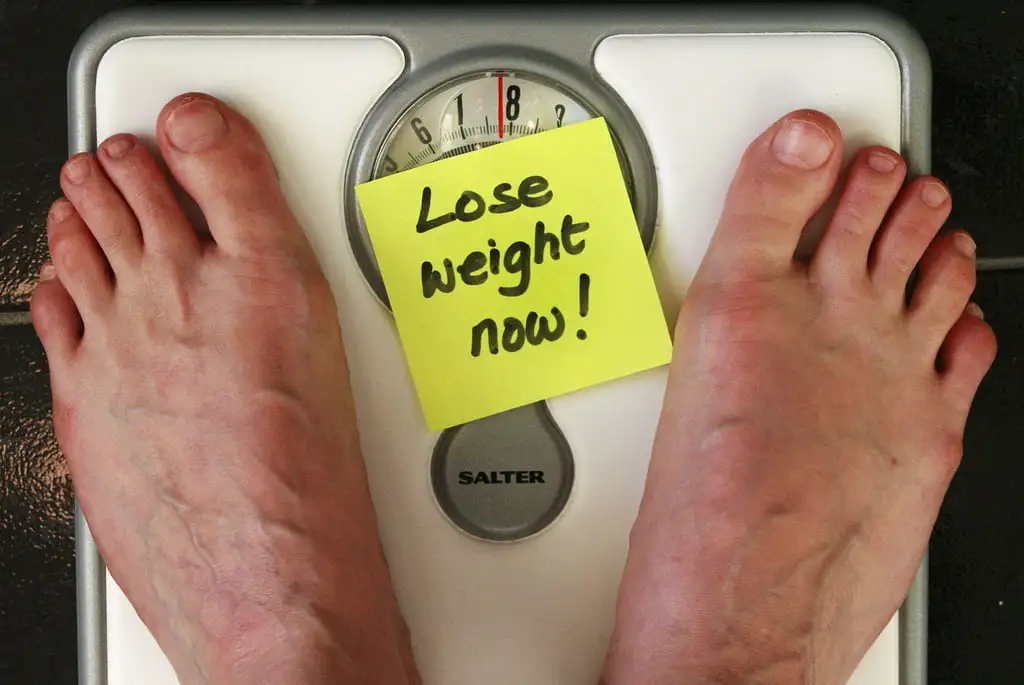
Dieting diligently, hitting the gym regularly, yet the scale refuses to budge? The frustration of a weight loss plateau is real. Before you throw in the towel, take a deep breath!
This article delves into the reasons why weight loss might stall and equips you with strategies to break through the plateau and reach your goals.

Understanding Weight Loss: It’s Not Just Math
Weight loss might seem like a simple equation: calories burned exceed calories consumed = weight loss. However, the human body is a complex system, and several factors can influence your weight loss journey. Here are some reasons why the scale might not reflect your efforts:
Calorie Miscalculation: Estimating calorie intake can be tricky. People often underestimate what they eat and overestimate how many calories they burn through exercise.
Metabolic Adaptation: Your body gets more adept at utilizing energy when you shed pounds. This means you might need to adjust your calorie intake to keep burning fat.
Muscle Gain: Strength training can increase muscle mass, which is denser than fat. While the scale weight might stay the same, your body composition is changing for the better!
Going Beyond the Scale: Non-Scale Victories
The scale isn’t the only indicator of progress. Celebrate non-scale victories (NSVs) that demonstrate positive changes:
Clothes fitting better: Looser clothing is a tangible sign that your body composition is changing.
Increased energy levels: Feeling more energized throughout the day is a great benefit of exercise and healthy eating.
Improved sleep quality: Better sleep can contribute to weight loss and overall well-being.
Increased strength and endurance: Your workouts become easier, and you can lift heavier weights or exercise for longer durations.

Strategies to Break Through the Weight Loss Plateau
If you suspect you’ve hit a plateau, don’t despair! Here are some strategies to reignite your weight loss journey:
Re-evaluate Your Calorie Intake: Consult a nutritionist or use a calorie tracking app to ensure you’re in a calorie deficit.
Increase Activity Level: Gradually increase the intensity or duration of your workouts to challenge your body and burn more calories. Consider incorporating high-intensity interval training (HIIT) for a metabolism boost.
Strength Train: Building muscle mass increases your metabolic rate, even at rest. Aim for strength training exercises 2-3 times a week.
Change Up Your Routine: Our bodies adapt to exercise routines over time. Switch up your exercises to keep your body challenged and prevent plateaus.
Make sleep a priority: Try to get 7-8 hours of good sleep every night. Hormones that control hunger and metabolism might be upset by sleep loss.
Handle Stress: Prolonged stress can cause surges in the hormone cortisol, which encourages the storage of fat. Use stress-reduction methods such as yoga, meditation, or deep breathing.
Stay Hydrated: Drinking plenty of water helps your body function optimally and can also curb cravings.
Be Patient and Consistent: Weight loss is a marathon, not a sprint. Stay consistent with your efforts and celebrate both scale victories and NSVs.
Addressing Underlying Medical Conditions
Losing weight can be more difficult if you have certain medical issues. If you’ve tried the strategies above and still struggle, consult your doctor to rule out any underlying health issues such as:
Thyroid disorders: An underactive thyroid can slow down your metabolism.
PCOS (Polycystic ovary syndrome): This hormonal imbalance can affect weight management.
Medication: Gaining weight is a possible side effect of certain drugs.
Recall: Before beginning any new fitness regimen or diet, speak with your doctor, particularly if you have any underlying medical issues.
The Importance of Sustainability: Creating Healthy Habits for Long-Term Success
Crash diets and extreme exercise routines might lead to quick weight loss, but they’re often unsustainable. Create long-lasting, healthful behaviors as your main goal. Here are some tips:
Make small, gradual changes: Drastic changes are difficult to stick with. Start with small, sustainable modifications to your diet and exercise routine.
Find activities you enjoy: Working out shouldn’t feel like a chore. Find physical activities you genuinely enjoy and look forward to.
Cook more meals at home: This allows you to control the ingredients and portion sizes.
Don’t deprive yourself: Allow yourself occasional treats in moderation. Deprivation can lead to cravings and binge eating.
Conclusion: Embrace the Journey
It takes constant effort to become a healthy version of yourself. There will be setbacks and plateaus, but don’t let them discourage you. By understanding the reasons behind weight loss stalls, implementing the strategies mentioned above, and focusing on building sustainable habits, you can overcome these hurdles and reach your weight loss goals.

Remember, celebrate all your victories, big and small, and focus on how you feel, not just the numbers on the scale.Savor the journey to becoming a stronger, healthier version of yourself!
FAQs
Stuck in a Weight Loss Stall? FAQs to Get You Back on Track
It can be discouraging to reach a weight reduction plateau. You might be diligently following a plan, but the numbers on the scale just won’t budge. This FAQ addresses the common reasons people search online (including Youtube!) for answers and provides tips to get your weight loss moving again.
Why am I not losing weight even though I’m eating healthy and exercising?
There are several things that can be impeding your efforts to lose weight. Here are some key culprits:
Calorie Miscalculation: You might be underestimating your calorie intake or overestimating how many calories you burn during exercise.
Undereating: Reducing your caloric intake too much can hinder weight loss efforts by slowing down your metabolism. Lack of Sleep: When sleep-deprived, your body produces more ghrelin (the hunger hormone) and less leptin (the satiety hormone), leading to increased cravings.
Stress: Chronic stress can elevate cortisol levels, a hormone that promotes fat storage.
Inaccurate Measurements: Muscle weighs more than fat. If you’re gaining muscle while losing fat, the scale might not reflect your progress. Consider progress photos or body measurements alongside the scale.
Medical Conditions: Certain medical conditions, like thyroid problems or PCOS, can affect weight loss. Consult your physician if you think there might be a hidden problem.
What are some tips to overcome a weight loss plateau?
Recalculate Your Calories: Consult a nutritionist or use a reliable online calculator to determine your accurate daily calorie needs for weight loss.
Eat More Protein: Protein helps build muscle, which can boost your metabolism. Aim for protein sources like lean meats, fish, beans, and lentils.
Strength Training: Building muscle increases your calorie burn at rest. Incorporate strength training exercises 2-3 times a week.
Make sleep a priority: Try to get 7-8 hours of good sleep every night. Manage Stress: Practice relaxation techniques like yoga or meditation to manage stress and cortisol levels.
Mix Up Your Routine: Change your exercise routine every 4-6 weeks to keep your body challenged and prevent plateaus.
Be Patient: Weight loss is a journey, not a race. Focus on long-term healthy habits and sustainable changes.
What Youtube channels offer helpful weight loss advice?
Look for certified personal trainers, registered dietitians, or other qualified professionals offering evidence-based weight loss tips.
Be wary of channels promoting fad diets or unrealistic weight loss promises.
Remember: Consult your doctor before starting any new diet or exercise program, especially if you have any pre-existing health conditions. You can design a secure and successful weight-loss regimen with their assistance.
Don’t get discouraged! By understanding the reasons behind your weight loss stall and implementing these tips, you can reignite your progress and reach your weight loss goals.
To read more, Click Here.