
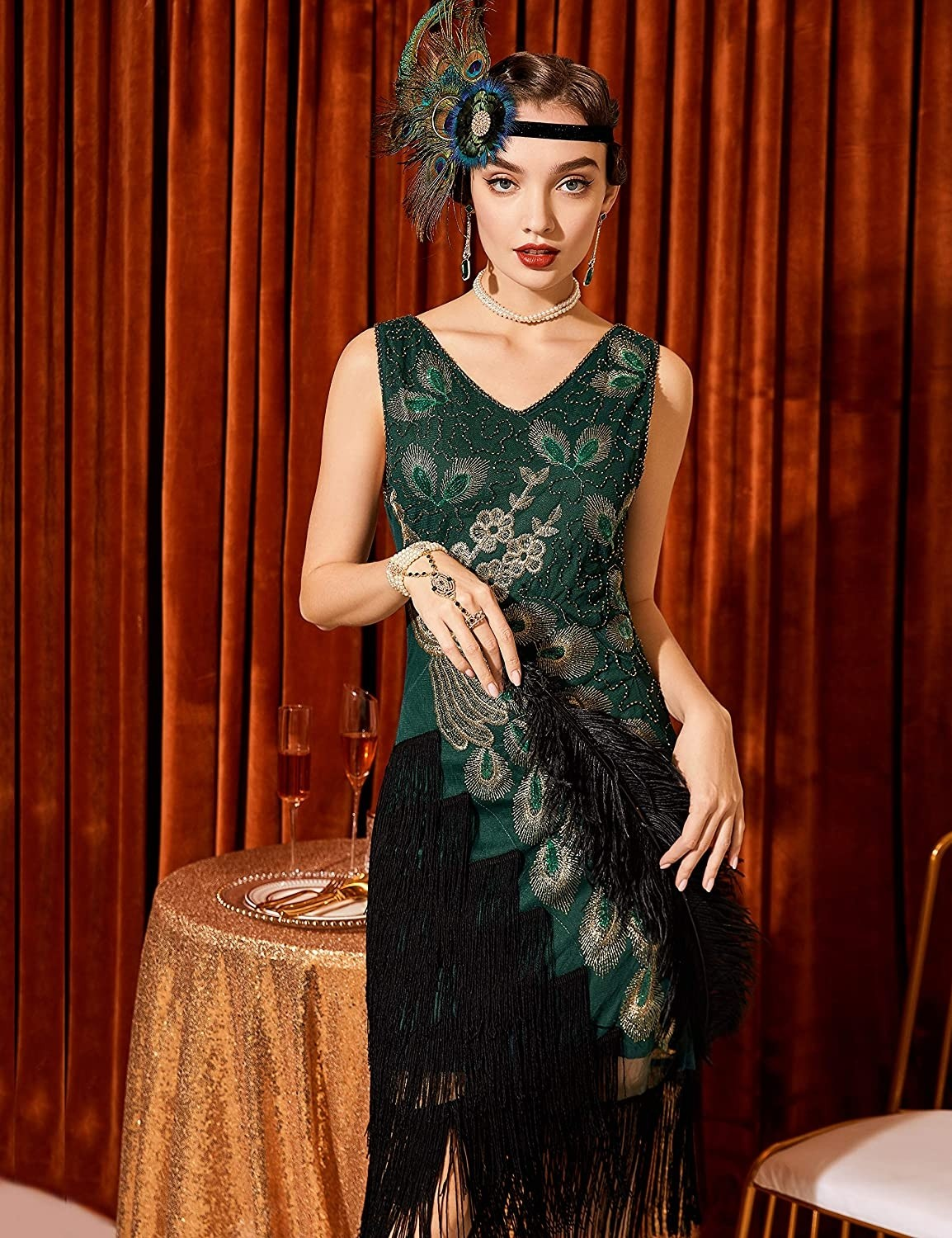
1920s dresses- The 1920s, a decade of unprecedented social and cultural change, witnessed a dramatic transformation in women’s fashion. The traditional, corseted silhouettes of the Victorian era gave way to a more relaxed and liberating style that reflected the spirit of the times. This article will delve into the iconic dresses of the 1920s, exploring the key trends, influences, and the societal factors that shaped this fashion revolution.
The Flapper Dress: The Defining Silhouette
The flapper dress, named after the young women who defied societal norms and embraced a more carefree lifestyle, became the quintessential garment of the 1920s. Characterized by its loose-fitting silhouette, dropped waistline, and knee-length hemline, the flapper dress symbolized the newfound freedom and independence of women.
The flapper dress was often made from lightweight fabrics such as silk, satin, and chiffon, allowing for ease of movement and comfort. The dropped waistline created a relaxed and boyish silhouette, contrasting with the hourglass shape that had been popular in previous decades. The knee-length hemline was a radical departure from the ankle-length gowns of the Victorian era, reflecting the changing attitudes towards modesty and sexuality.
The Influence of Jazz Age Culture
The 1920s, often referred to as the “Jazz Age,” was a time of great cultural and social change. The rise of jazz music, the popularity of speakeasies, and the emergence of Hollywood all contributed to the evolution of fashion. The flapper dress, with its relaxed and rebellious style, perfectly captured the spirit of the Jazz Age.
The flapper dress was often paired with accessories that reflected the vibrant and energetic atmosphere of the 1920s. These included cloche hats, long beaded necklaces, and ankle-length flapper shoes. The overall look was one of youthful exuberance and defiance of traditional norms.
The Impact of Social Change
The 1920s was a time of significant social change, with women gaining greater rights and freedoms. The flapper dress became a symbol of this newfound independence, representing women’s desire to break free from societal expectations and express themselves through their clothing.
The flapper dress also reflected the changing attitudes towards sexuality. The shorter hemline and looser silhouette challenged traditional notions of modesty and femininity. Women were no longer expected to conform to strict societal standards and could dress in a way that reflected their own personal style.
The Evolution of Flapper Style
While the flapper dress remained a popular style throughout the 1920s, there were variations and evolutions within the trend. Some flapper dresses featured intricate beadwork or embroidery, while others were more minimalist in design. The hemline also fluctuated throughout the decade, with some styles becoming even shorter towards the end of the 1920s.
As the decade progressed, the flapper style began to incorporate elements of other fashion trends. The Great Gatsby era, for example, saw a resurgence of Art Deco-inspired designs, which were often incorporated into flapper dresses.
The Enduring Legacy of Flapper Fashion
The flapper dress may have gone out of style by the end of the 1920s, but its influence continues to be felt in contemporary fashion. The relaxed silhouette, dropped waistline, and knee-length hemline have been reinterpreted and adapted countless times over the years.
The flapper dress also serves as a reminder of the social and cultural changes that took place during the 1920s. It is a symbol of women’s empowerment, rebellion, and the pursuit of personal freedom.
Conclusion
The 1920s was a time of unprecedented fashion innovation, characterized by the rise of the flapper dress. This iconic garment reflected the spirit of the times, embodying the youthful exuberance, social change, and newfound freedom of women. The flapper dress continues to inspire designers and fashion enthusiasts today, serving as a timeless symbol of style and empowerment.

FAQs
1920s Dresses: Flappers and Fashion
The 1920s was a decade of unprecedented social and cultural change, and this shift was reflected in the fashion of the time. Women’s dresses underwent a dramatic transformation, becoming shorter, looser, and more comfortable. This era is often associated with the “flapper” style, but there were other popular trends as well.
The Flapper Look
Q: What is a flapper?
A: A flapper was a young woman who defied traditional gender roles and societal expectations. She was known for her short hair, loose-fitting dresses, and rebellious attitude.
Q: What were the typical features of a 1920s flapper dress?
A: Flapper dresses were characterized by their loose-fitting silhouette, dropped waistlines, and knee-length hemlines. They were often made from lightweight fabrics like silk or rayon and adorned with beading, sequins, or fringe.
Q: Why were flapper dresses so popular?
A: The popularity of flapper dresses can be attributed to several factors, including the changing roles of women, the rise of mass production, and the influence of Hollywood.
Other 1920s Fashion Trends
Q: What were some other popular dress styles in the 1920s?
A: In addition to the flapper look, other popular styles included the chemise dress, the tea gown, and the cloche hat.
Q: What were chemise dresses like?
A: Chemise dresses were simple, straight-cut dresses that were often made from silk or satin. They were typically sleeveless and had a V-neckline.
Q: What were tea gowns used for?
A: Tea gowns were more formal dresses that were typically worn at home for entertaining guests. They were often made from luxurious fabrics like velvet or satin and featured intricate embroidery or lace.
Accessories and Fabrics
Q: What accessories were popular in the 1920s?
A: Popular accessories included cloche hats, long necklaces, and ankle-length gloves. Flappers often wore short, bobbed hair, and many women wore makeup for the first time.
Q: What fabrics were commonly used for 1920s dresses?
A: Common fabrics included silk, rayon, satin, velvet, and lace.
Impact on Society
Q: How did 1920s fashion reflect the changing times?
A: The shorter hemlines and looser silhouettes of 1920s dresses challenged traditional notions of femininity and modesty. They symbolized a new era of freedom and independence for women.
Q: What impact did 1920s fashion have on society?
A: 1920s fashion helped to redefine beauty standards and create a more egalitarian society. It also had a significant impact on the economy, as the demand for new clothing styles led to the growth of the fashion industry.
Conclusion
The 1920s was a time of great fashion innovation, with the flapper look and other styles reflecting the social and cultural changes of the era. These trends continue to influence fashion today, and the 1920s are often seen as a golden age of fashion design.
To Read More; click here