
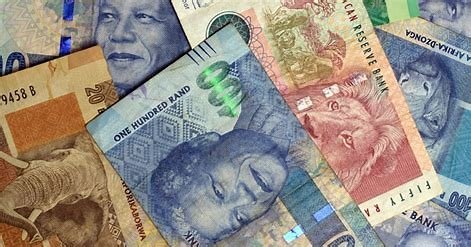
The British Pound (GBP) and South African Rand (ZAR) are two prominent currencies used across the globe. Travelers, business people, and anyone with financial ties between the UK and South Africa frequently need to convert between these currencies.

This article delves into the intricacies of converting pounds to rand, exploring factors affecting exchange rates, the best methods for conversion, and helpful tips for getting the most out of your money.
Understanding Exchange Rates: The Fluctuating Landscape
The exchange rate between GBP and ZAR is constantly fluctuating due to various economic factors. Here’s a breakdown of some key forces influencing the rate:
Supply and Demand:
The fundamental principle of economics applies to currencies as well. If more people want to buy British Pounds compared to South African Rands, the value of the Pound will rise relative to the Rand.
Interest Rates:
Central banks adjust interest rates to regulate inflation and economic activity. Higher interest rates in the UK compared to South Africa could incentivize investments in Pound-denominated assets, driving the Pound’s value up.
Economic Performance:
The overall health of the UK and South African economies plays a role. A strong and growing UK economy might lead to a stronger Pound compared to the Rand.
Political Stability:
Political instability or uncertainty in either country can lead to currency fluctuations.
These factors, along with others like global economic trends and currency interventions by central banks, constantly influence the GBP/ZAR exchange rate.
Finding the Best Rate: Exploring Conversion Options
When converting pounds to rand, you have several options, each with its own advantages and disadvantages:
Banks:
Traditional banks offer currency exchange services, but their rates often come with built-in commissions and fees. This can make them less favorable for smaller conversion amounts.
Currency Exchange Bureaus:
These specialized kiosks are readily available in airports and tourist areas. While convenient, they may offer less competitive rates than banks.
Online Money Transfer Services:
Services like Wise (formerly TransferWise) and XE offer competitive exchange rates and lower fees compared to banks or currency exchanges. They often leverage peer-to-peer currency exchange mechanisms, leading to potentially better deals.
Travel Cards:
Prepaid travel cards loaded with pounds can be used for ATM withdrawals or direct payments in South Africa. Rates can vary depending on the provider, and transaction fees might apply.
Choosing the Right Method:
The best conversion method depends on your specific needs. Consider factors like:
Amount of Money:
Larger conversions might benefit more from online money transfer services offering lower fees.
Convenience:
Travel cards might be ideal for smaller amounts or quick transactions while traveling.
Speed of Access:
For immediate cash access, currency exchange bureaus or ATMs using travel cards might be more suitable.
Staying Informed:
Staying updated on current exchange rates and comparing fees offered by different services will help you get the most value for your money. Utilize online resources like Google Finance, XE Currency Converter, or travel blogs to track exchange rates and find the most competitive deals.
Beyond the Conversion: Additional Considerations
Here are some additional factors to keep in mind when converting pounds to rand:

Transaction Fees:
Be aware of any transaction fees associated with your chosen conversion method. These fees can eat into your overall exchange rate.
Hidden Charges:
Some services might advertise a headline exchange rate but add hidden fees during the transaction process. Scrutinize the fine print before finalizing your conversion.
Large Amounts:
If converting significant sums, contacting a currency specialist or your bank’s foreign exchange department might be beneficial. They can offer customized solutions and potentially negotiate better rates.
By understanding the factors influencing exchange rates, exploring various conversion options, and being mindful of additional considerations, you can navigate the world of pound-to-rand conversions with confidence and get the most value for your money.
FAQs
Q: What is the current exchange rate for Pound to Rand?
As of today (insert current date), the exchange rate fluctuates, but you can find the latest rate using a currency converter online or through your bank’s app.
Q: What factors affect the exchange rate?
Global economic conditions, interest rates, and supply and demand for each currency all influence the exchange rate.
Q: Is it better to exchange Pounds to Rand in South Africa or before I travel?
Rates can vary slightly depending on location. Generally, exchanging before travel offers better control over the rate you receive.
Q: What are some fees associated with currency exchange?
Be aware of potential fees like exchange commissions and foreign transaction fees charged by banks or exchange bureaus.
Q: Should I use a debit or credit card for purchases in South Africa?
Check with your bank about foreign transaction fees for both options. Debit cards might offer a more transparent exchange rate compared to credit cards with markup fees.
Q: Are there any alternatives to traditional currency exchange?
Travel cards preloaded with Rand can be convenient, but check fees associated with loading and using them. Consider traveler’s checks for smaller purchases, though their use is declining.
Q: What are some things to consider when budgeting for a trip to South Africa?
Research average costs for accommodation, food, transportation, and activities to plan your spending. Factor in potential fluctuations in the exchange rate.
Q: Are there any restrictions on how much foreign currency I can bring into South Africa?
South African regulations allow travelers to bring in up to ZAR 25,000 (approximately £1,500 or $1,800 USD) without declaring it.
Q: Where can I find reliable information about the current exchange rate?
Use reputable online currency converters, bank websites, or financial news sites.
Q: Should I exchange all my Pounds to Rand before traveling?
It’s wise to carry some Rand for immediate needs upon arrival. Consider exchanging smaller amounts regularly to manage potential fluctuations in the exchange rate.
Q: Are there any benefits to keeping some Pounds for my trip?
Carrying some Pounds allows you to take advantage of better exchange rates upon returning home, depending on your bank’s policies.
Q: How can I stay updated on changes in the exchange rate?
Set alerts on currency converter apps or follow financial news sources that report on exchange rate movements.
Q: Can I “lock in” a specific exchange rate in advance?
Some banks offer forward contracts to secure a fixed exchange rate for a future date, but these might not be available to all customers and can come with fees.
Q: Are there any ways to minimize currency exchange fees?
Look for banks with lower foreign transaction fees or consider using travel cards with minimal charges.
To read more click here