
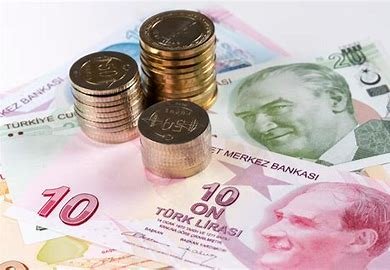
The Turkish Lira (TRY) and the British Pound (GBP) are two significant currencies on the global stage. Travelers, businesses, and investors frequently need to convert between these currencies.
This article delves into the world of TRY to GBP conversion, exploring factors influencing exchange rates, historical trends, and practical tips for navigating the process.

Understanding Exchange Rates: The Fluctuating Value of Money
The exchange rate between TRY and GBP is not fixed; it constantly fluctuates based on various economic factors. Here’s a breakdown of some key forces that influence the exchange rate:
Supply and Demand:
The basic principles of supply and demand dictate the exchange rate. When demand for GBP rises compared to TRY, the value of GBP strengthens, and you’ll need more TRY to buy one GBP.
Interest Rates:
Central banks adjust interest rates to influence inflation and economic growth. Higher interest rates in the UK (where GBP is used) compared to Turkey (where TRY is used) can make GBP more attractive to investors, driving up its value.
Political and Economic Stability:
Political turmoil or economic instability in Turkey can make investors apprehensive, leading them to seek safer havens for their money, like GBP. This can weaken TRY further.
Historical Trends: A Glimpse into TRY/GBP Fluctuations
Examining historical exchange rates can provide valuable insight:
Long-Term Trend:
Over the past two decades, the Turkish Lira has generally weakened against the British Pound. This trend reflects various factors, including Turkey’s higher inflation rates and occasional political and economic uncertainty.
Short-Term Volatility:
Despite the long-term trend, the TRY/GBP exchange rate experiences short-term fluctuations based on current economic news and events.
Staying Informed: Resources for Up-to-Date Exchange Rates
Staying updated on current exchange rates is crucial for making informed decisions when converting TRY to GBP. Here are some reliable resources:
Financial News Websites:
Major financial news websites like Reuters, Bloomberg, and The Financial Times offer real-time currency exchange rates and analysis.
Currency Converter Apps:
Several free and paid currency converter apps, like XE Currency and Google Finance, allow you to track exchange rates and set alerts for desired conversion rates.
Bank Websites:
Most banks display current exchange rates on their websites, though the rates offered for customer transactions might be slightly less favorable.
Practical Tips for Converting TRY to GBP: Finding the Best Rates
When converting TRY to GBP, consider these tips to maximize your return:
Beware of Hidden Fees:
Some money changers and services may charge hidden fees or commissions on top of the exchange rate. Be sure to inquire about all applicable charges before finalizing the conversion.
Consider Mid-Market Rate:
The mid-market rate is the average rate between the buy and sell price of a currency. Look for providers offering rates close to the mid-market rate.
Large Transactions:
For larger conversions, consider negotiating a better rate with banks or currency exchange services.
Online Currency Exchange Platforms:
Several online platforms offer competitive exchange rates with minimal fees. Research reputable platforms with strong security measures before using them.
Beyond Conversion: Additional Factors to Consider
While the exchange rate is a crucial factor, consider these additional elements when converting TRY to GBP:

Transaction Fees:
Banks and money changers may levy fees for processing the conversion.
Payment Methods:
The method you choose to receive the GBP (cash, bank transfer) can influence the final amount received.
Delivery Time:
If receiving physical GBP cash, consider the delivery time and any associated costs.
Conclusion: Informed Conversions for Savvy Travelers and Investors
Understanding the dynamics of TRY/GBP conversion empowers you to make informed decisions.
Whether you’re a traveler exchanging currency for a trip to the UK or an investor looking for opportunities, staying updated on exchange rates, comparing services, and utilizing the right tools will help you navigate the currency exchange landscape and maximize your return.
Remember, the information presented here is for general educational purposes only and should not be taken as financial advice. Always consult with a qualified financial professional for personalized guidance on currency exchange and investment decisions.
FAQs
Q: What is the current exchange rate between TRY and GBP?
A: As of today, [insert current date], the exchange rate is approximately [insert current exchange rate] TRY per 1 GBP. (Use a reliable financial website or app to find the most up-to-date rate.)
Q: How much is [amount] Turkish Lira in British Pounds?
A: To convert, divide the TRY amount by the current exchange rate.
For example, to find out how much 100 TRY is in GBP, divide 100 by [current exchange rate].
Q: How much is [amount] British Pounds in Turkish Lira?
A: To convert GBP to TRY, multiply the GBP amount by the current exchange rate.
For example, to find out how much £10 is in TRY, multiply 10 by [current exchange rate].
Q: Can I predict future exchange rates?
A: Unfortunately, predicting future exchange rates accurately is very difficult. However, following financial news and economic trends can help you make informed decisions.
Q: Can I use my Turkish Lira debit or credit card in the UK?
A: Many cards allow international transactions. However, check with your bank about potential foreign transaction fees.
Q: Should I bring Turkish Lira to the UK?
A: British Pound is the main currency used in the UK. While some places might accept TRY, it’s best to have GBP for most transactions.
Q: Can I use my Turkish bank card at ATMs in the UK?
A: Most ATMs in the UK accept international cards. Check with your bank about potential ATM fees and network compatibility.
Q: Is the Turkish Lira strong or weak compared to the British Pound?
A: The British Pound is generally considered a stronger currency than the Turkish Lira.
Q: Has the exchange rate changed significantly over time?
A: Yes, the exchange rate fluctuates over time. You can find historical exchange rate charts online.
Q: What are some commonly used British Pound denominations?
A: Common denominations include £5, £10, £20, £50, and £100 banknotes.
Q: Are there any currency converter apps I can use?
A: Yes, many free and paid currency converter apps are available for smartphones and tablets.
Q: How accurate are currency converter apps?
A: Most reputable apps provide accurate exchange rates based on live data.
To read more click here