
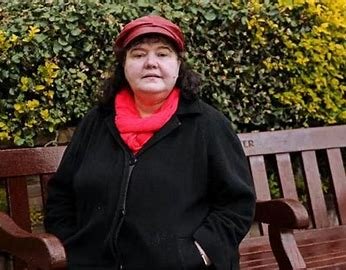
Netflix’s dark comedy series “Baby Reindeer” took the streaming world by storm in 2024. The show, created by Richard Gadd, tells the story of a rising comedian named Darren who becomes increasingly fixated on a mysterious woman named Martha.
“Baby Reindeer” was marketed as a “true story,” blurring the lines between fiction and reality, and sparking a wave of online speculation about the identities of the characters.
At the center of this frenzy stood Fiona Harvey, a Scottish law graduate whose life became unexpectedly intertwined with the show.

This article explores the “Baby Reindeer” phenomenon, focusing on Fiona Harvey’s claims of being the inspiration for the character Martha, the ensuing legal battle, and the wider questions the series raises about artistic license and the portrayal of real people in fictional narratives.
From Tweets to Television: How Fiona Harvey Became “Martha”
“Baby Reindeer” details Darren’s obsessive pursuit of Martha, who bombards him with unwanted messages, stalks him online, and even shows up at his doorstep.
Viewers were led to believe these events were based on reality. However, soon after the show’s release, Fiona Harvey came forward, claiming the character of Martha bore an uncanny resemblance to her own life experiences.
Harvey pointed out several similarities:
Social Media:
The show depicts Martha harassing Darren online, mirroring past tweets Harvey sent to Gadd (though the content remains undisclosed).
Location:
Both Martha and Harvey are from Scotland.
Career Path:
Martha is described as a law graduate, which aligns with Harvey’s educational background.
These parallels fueled online speculation, leading many viewers to conclude Harvey was the real-life Martha. Harvey, however, vehemently denied stalking Gadd or engaging in any threatening behavior.
Taking a Stand: Fiona Harvey Fights Back
Feeling her reputation tarnished by the show’s portrayal, Fiona Harvey decided to take legal action. She issued a statement through her lawyer, accusing Netflix of “ruining her reputation with their alleged depiction of her in the hit show, which is presented as a true story.”
Harvey’s legal team reportedly argued that the series defamed her by portraying her as a stalker, despite the character being fictionalized.
Netflix, on the other hand, maintained that “Baby Reindeer” was a work of fiction and that the characters were not based on real people. They claimed they had “disguised the identities” of the characters to protect the privacy of those involved.
This legal battle highlighted the complexities of blurring the line between fiction and reality in television.
While artistic license allows creators to draw inspiration from real-life experiences, the portrayal of identifiable characteristics can have serious consequences for the individuals involved.
Beyond the Lawsuit: The Ethics of Fictionalization
The “Baby Reindeer” controversy sparked discussions about the ethical implications of portraying real people in fictional narratives, even when their names are changed. Here are some key points to consider:
The Right to Privacy:
Individuals have a right to control how they are represented, especially when the portrayal is negative or potentially damaging.
Artistic Freedom:
Creative expression holds value, and creators should have the freedom to explore themes and characters inspired by real-life experiences.
Finding the Balance:
Can creators draw inspiration from reality while still protecting the privacy and reputation of individuals?
The “Baby Reindeer” case doesn’t offer easy answers. It raises important questions about the responsibility of creators to fictionalize responsibly, especially in the age of social media where speculation and online sleuthing can quickly turn into harassment.

The Aftermath: Where Does the Story Go From Here?
As of July 2024, the legal battle between Fiona Harvey and Netflix remains unresolved. The outcome could set a precedent for future cases where fictional characters bear a striking resemblance to real people.
Meanwhile, the controversy has undoubtedly affected both parties. Fiona Harvey has had to defend herself against public accusations, while Netflix faces questions about its portrayal of events and the potential impact on real individuals.
The “Baby Reindeer” saga serves as a cautionary tale for creators and viewers alike. It reminds us of the power of storytelling and the importance of ethical considerations when blurring the lines between reality and fiction.
FAQs
Q: What is “Baby Reindeer” about?
“Baby Reindeer” is a dark comedy series following a young woman’s descent into obsession.
Q: Who is Fiona Harvey, and how is she connected to the show?
Fiona Harvey is a Scottish law graduate who claims to be the real-life inspiration for the character “Martha” in “Baby Reindeer.”
Q: Did the creators of “Baby Reindeer” confirm Fiona Harvey’s claim?
No, the creators and Netflix have denied any connection between Fiona Harvey and the character “Martha.”
Q: Why was there such a public outcry after Fiona Harvey came forward?
The show “Baby Reindeer” explores themes of stalking and harassment, which caused discomfort for some viewers upon learning of Fiona Harvey’s claims.
Q: Did Fiona Harvey take legal action against Netflix?
Yes, Fiona Harvey reportedly threatened legal action against Netflix for defamation and portraying her in a negative light.
Q: What was the outcome of the lawsuit (if any)?
There’s no public information on a concluded lawsuit. The situation might be ongoing or settled privately.
Q: Is there any evidence to support Fiona Harvey’s claims?
Publicly available information doesn’t show a confirmed link between Fiona Harvey and the character.
Q: Why do some people believe Fiona Harvey might be telling the truth?
Some online discussions highlight similarities between details Fiona Harvey shares and aspects of the show’s plot (though details are not always verifiable).
Q: Why do others doubt her claims?
The fictional nature of the show and the lack of confirmation from creators raise doubts about the character’s inspiration.
Q: Is it okay for a show to be inspired by a real person’s experience without their consent?
This is a complex ethical question. Creators have artistic freedom, but depicting real-life experiences without consent can raise concerns.
Q: How can viewers approach potentially sensitive portrayals in shows?
Critical viewing skills and awareness of potential creative liberties are important.
Q: What has Fiona Harvey done since coming forward?
Public information about Fiona Harvey’s current activities is limited.
Q: Has the controversy affected the popularity of “Baby Reindeer”?
The controversy might have generated some interest, but it’s difficult to gauge its overall impact on viewership.
Q: Are there any reliable sources to follow for updates on this situation?
Entertainment news websites or legal news outlets might provide updates if the story develops further.
To read more click here