
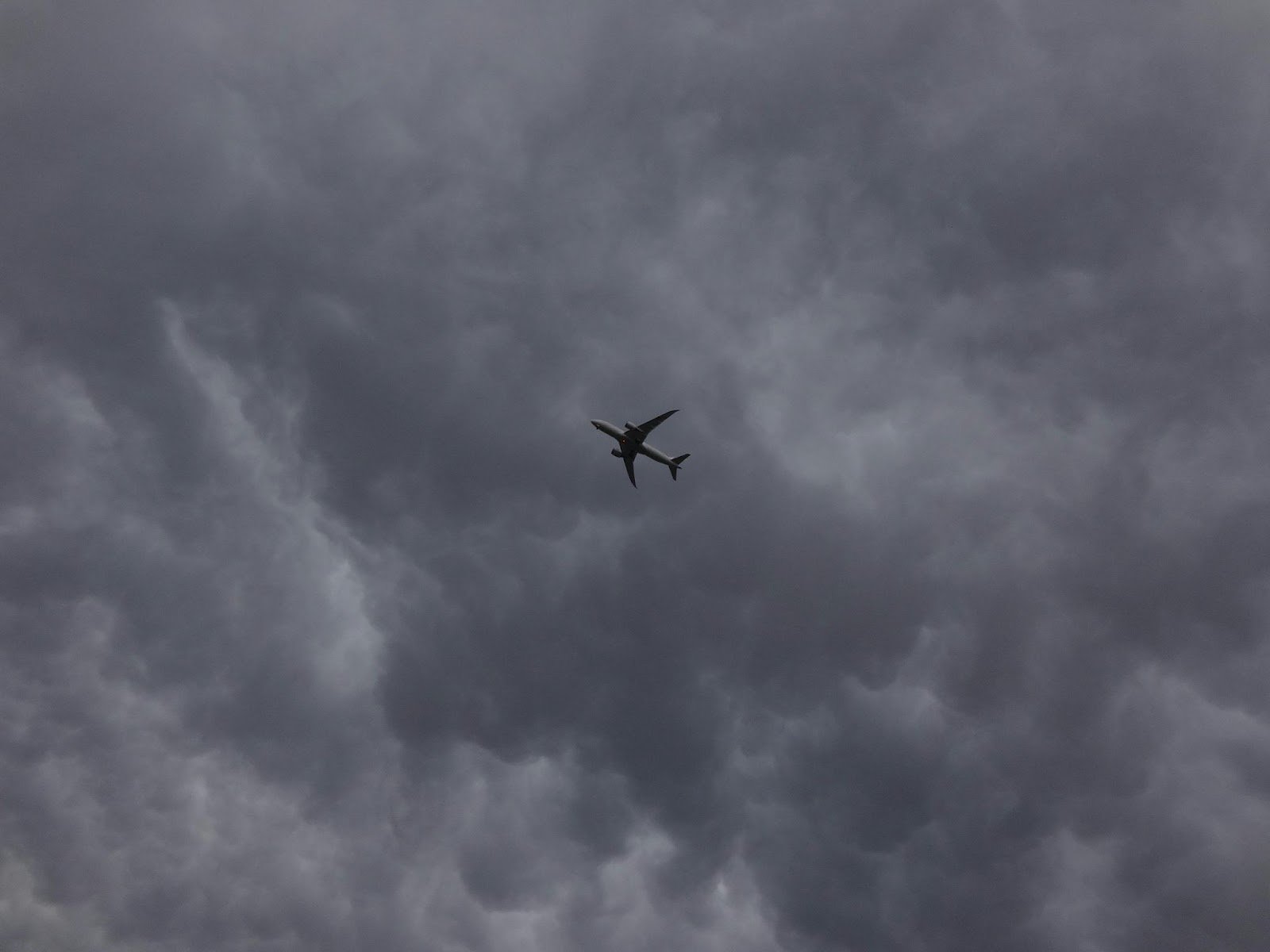
What is a Flypast?
A flypast is a mesmerizing aerial display where a formation of aircraft flies over a specific location as part of a ceremonial or celebratory event.
It’s a breathtaking spectacle that combines precision, power, and patriotism, leaving a lasting impression on spectators. While the term “flypast” is predominantly used in the United Kingdom and Commonwealth countries, the equivalent terms in the United States are “flyover” or “flyby.”
The History of Flypasts
The origins of flypasts can be traced back to the early days of aviation. As aircraft technology advanced, they became integral components of military parades and public celebrations. World War I saw the first large-scale aerial displays, and the tradition has continued to evolve since then.
Types of Flypasts
Flypasts can be categorized based on their purpose and scale:
- Military Flypasts: These are often associated with national holidays, military commemorations, or victory celebrations. They showcase the nation’s air power and military prowess.
- Civil Flypasts: These are typically linked to civil events like royal weddings, jubilees, or national sporting events. They create a festive atmosphere and demonstrate national unity.
- Airshow Flypasts: While not strictly ceremonial, airshow flypasts are a thrilling component of aviation events, showcasing the capabilities of various aircraft.
Planning and Execution of a Flypast
Organizing a flypast is a complex undertaking involving meticulous planning and coordination. Key elements include:
- Aircraft Selection: The types of aircraft involved depend on the occasion and the desired impact. A mix of fighter jets, helicopters, and transport planes is common.
- Formation Design: Creating visually appealing and aerodynamically sound formations is crucial. Experienced pilots and airshow coordinators work together to design intricate patterns.
- Timing and Synchronization: Precision is paramount. Every aircraft must adhere to a strict schedule to ensure a flawless performance.
- Safety Protocols: Rigorous safety measures are in place to protect both the pilots and spectators. Emergency procedures are carefully planned.
Famous Flypasts
Throughout history, numerous flypasts have captured the world’s imagination. Some of the most iconic include:
- The Battle of Britain Commemoration Flypasts: Held annually to honor the pilots who defended Britain during World War II, these flypasts feature a variety of historic aircraft.
- Royal Wedding Flypasts: Flypasts are a traditional part of British royal weddings, with the newlyweds often taking a flight in a military aircraft.
- Republic Day Flypast (India): A grand display of India’s air power, showcasing the latest fighter jets and helicopters.
The Impact of Flypasts
Flypasts have a profound impact on spectators. They evoke feelings of pride, patriotism, and awe. The roar of jet engines and the precision of the formations create an unforgettable experience. Moreover, flypasts serve as a powerful symbol of a nation’s technological advancement and military strength.
Challenges and Controversies
While flypasts are generally celebrated, they also face challenges and criticisms. Environmental concerns, noise pollution, and the cost of organizing such events are some of the issues raised. Balancing the public’s desire for spectacular displays with environmental responsibility is an ongoing challenge.
Technology’s Role in Modern Flypasts
Technology has revolutionized flypast planning and execution.
- Flight Simulation: Sophisticated flight simulators allow pilots to practice formations and maneuvers in a safe, controlled environment.
- GPS and Navigation Systems: These systems provide precise positioning data, aiding in maintaining formation integrity.
- Communication Systems: Real-time communication between pilots and ground control ensures seamless coordination.
- Drones: While not typically part of the main flypast, drones can be used for aerial photography and to capture unique perspectives.
The Economic Impact of Flypasts
Beyond the spectacle, flypasts contribute significantly to local economies.
- Tourism: Flypasts attract tourists, boosting hotel occupancy, restaurant sales, and retail spending.
- Job Creation: The planning and execution of a flypast generate temporary jobs in various sectors, from aviation to hospitality.
- Media Coverage: The event’s media coverage can enhance a region’s image and attract future investments.
Flypasts and Environmental Considerations
With growing environmental awareness, the impact of flypasts on the environment has come under scrutiny.
- Noise Pollution: The noise generated by jet engines can be disruptive to local communities.
- Air Pollution: Aircraft emissions contribute to air pollution, though modern engines are more efficient.
- Mitigation Efforts: Organizers are increasingly adopting measures to reduce the environmental impact, such as using quieter aircraft, optimizing flight paths, and offsetting carbon emissions.

FAQs About Flypasts
What is a Flypast?
A flypast is a spectacular aerial display where multiple aircraft fly in formation over a specific location. It’s often a highlight of ceremonial occasions, national celebrations, or military events.
When do Flypasts Typically Happen?
Flypasts are commonly seen during:
- National holidays: Independence Day, Republic Day, etc.
- Royal events: Coronations, jubilees, state visits
- Military commemorations: Victory Day, Remembrance Day
Air shows and aviation events
What Kind of Aircraft Participate in Flypasts?
The type of aircraft involved in a flypast varies depending on the occasion. Common participants include:
- Military aircraft: Fighters, bombers, transport planes, helicopters
- Civilian aircraft: Commercial airliners, private jets
- Historic aircraft: Vintage planes, warbirds
How are Flypasts Planned and Executed?
Flypasts require meticulous planning and coordination. Key aspects include:
- Aircraft selection: Choosing suitable aircraft based on the event’s theme.
- Formation design: Creating visually appealing formations for the flypast.
- Timing and route: Determining the exact time and flight path for the display.
- Pilot training: Extensive training for pilots to ensure precision and safety.
- Air traffic control: Coordinating with air traffic control to manage airspace.
Are Flypasts Safe for Spectators?
Yes, flypasts are generally safe for spectators when viewed from designated viewing areas. Safety measures are in place to protect the public.
Can I Take Photos or Videos of a Flypast?
Absolutely! Capturing the breathtaking moments of a flypast is encouraged. However, be mindful of your surroundings and follow any guidelines provided by event organizers.

The Future of Flypasts
As technology continues to advance, flypasts are likely to become even more spectacular. The integration of drones and unmanned aerial vehicles could open up new possibilities for aerial displays. However, ensuring safety and ethical considerations will be crucial as the industry evolves.
To read more, click here.