
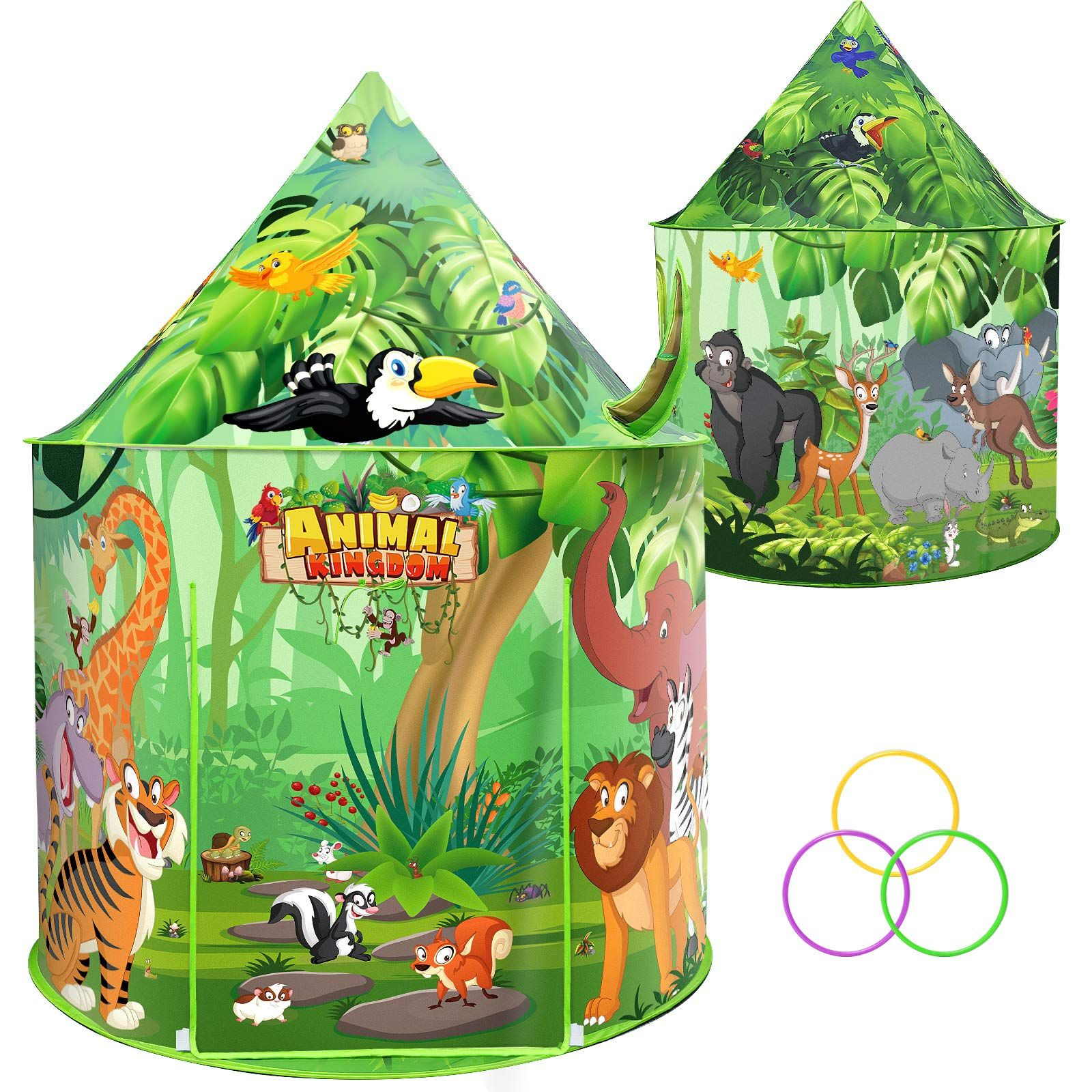
Child tent play is more than just a fun activity; it’s an enriching experience that fosters creativity, imagination, and social skills in young children. These versatile play structures provide a private, whimsical space where kids can engage in a variety of activities, from pretending to camp in the great outdoors to hosting their own secret hideaway. This article offers a detailed overview of child tent play, including its benefits, types, safety tips, and how to choose the perfect tent for your child.
Benefits of Child Tent Play
Encourages Imaginative Play
Child tents are fantastic tools for imaginative play. Whether it’s pretending to be a pirate on a high-seas adventure or a princess in a castle, these tents serve as a canvas for creativity. Imaginative play helps children develop problem-solving skills, emotional understanding, and social interaction.
Promotes Independence
Having a personal space like a play tent can help children feel more independent. It gives them a sense of ownership and control over their environment. Children can create their own rules, organize their play area, and enjoy a space that’s just for them.
Enhances Social Skills
Play tents are great for group play. They encourage children to work together, negotiate, and share their space. Whether playing with siblings or friends, children learn valuable social skills such as cooperation, empathy, and communication.
Provides a Safe Haven
A child tent can offer a comforting retreat for moments when a child needs to relax or take a break. It can be a cozy spot for reading, napping, or simply unwinding, providing a sense of security and calm in a familiar space.
Fosters Physical Activity
Many play tents are designed with additional features like tunnels or climbing elements that promote physical activity. This encourages children to move, crawl, and explore, contributing to their overall physical development.
Types of Child Tents
Pop-Up Tents
Pop-up tents are easy to set up and take down. They typically have a flexible frame that springs into shape, making them convenient for both indoor and outdoor use.

Their ease of use makes them a popular choice for parents looking for a quick and simple play solution.
Themed Tents
Themed tents come in various designs, such as castles, space rockets, or safari tents. These tents are often adorned with colorful prints and decorations that align with the theme, enhancing the imaginative play experience.

Playhouse Tents
Playhouse tents are larger and often feature multiple rooms or compartments. They resemble miniature houses and can be equipped with additional features like windows, doors, and furniture. These tents offer a more elaborate play experience and can accommodate several children.
Tunnel Tents
Tunnel tents include an attached tunnel or series of tunnels that children can crawl through. They add an element of physical activity to the play experience and are great for enhancing motor skills and coordination.
Portable Tents
Portable tents are designed for travel and can be easily folded and packed away. They are perfect for taking on trips, camping adventures, or outdoor playdates. Their portability ensures that children can have their play space wherever they go.
Choosing the Right Child Tent
Consider the Space
Think about where the tent will be used most frequently. For indoor play, measure the available space to ensure the tent fits comfortably. For outdoor use, consider the size and stability of the tent in different weather conditions.
Select the Right Material
Choose a tent made from durable, easy-to-clean materials. Look for tents with breathable fabrics that allow for ventilation, especially if the tent will be used indoors. Waterproof and UV-resistant materials are important for outdoor tents.
Check for Safety Features
Ensure the tent is designed with safety in mind. Features to look for include:
Sturdy Construction: A well-built frame that can withstand rough play.
Non-Toxic Materials: Safe, non-toxic fabrics and dyes.
Ventilation: Mesh windows or openings for air circulation.
Smooth Edges: Avoid tents with sharp or protruding parts that could cause injuries.
Ease of Setup and Storage
Opt for a tent that is easy to set up and take down. Pop-up and foldable designs are particularly user-friendly. Consider how the tent will be stored when not in use and ensure it can be compactly packed away.
Age Appropriateness
Select a tent that is appropriate for your child’s age and developmental stage. Tents with smaller openings or features might be more suitable for younger children, while older children may enjoy larger, more complex designs.
FAQs
What is a Child Play Tent?
A child play tent is a small, portable structure designed for children to play in. Typically made from lightweight materials like fabric and plastic, these tents come in various shapes and sizes. They often feature fun designs, such as castles, rockets, or animals, and can be used indoors or outdoors.
What Age Groups Are Suitable for Play Tents?
Play tents are generally suitable for children aged 2 and up. For younger children, ensure the tent is made from safe, non-toxic materials and is free from small parts that could be a choking hazard. Older children might enjoy more elaborate designs or larger tents that allow for more interactive play.
How Do You Set Up and Maintain a Play Tent?
Setup: Follow the manufacturer’s instructions for assembly. Most play tents are designed to be easy to set up and take down, often featuring a pop-up design or simple pole system.
Maintenance: Regularly clean the tent to keep it hygienic. Most fabric tents can be wiped down with a damp cloth or machine-washed on a gentle cycle. Ensure the tent is completely dry before storing it to prevent mold and mildew.
Are There Any Safety Concerns with Play Tents?
While play tents are generally safe, it’s important to supervise children during play to prevent accidents. Ensure the tent is placed on a flat, stable surface and is not near sharp objects or potential hazards. Additionally, regularly check the tent for any signs of wear and tear, such as loose seams or broken poles.
Can Play Tents Be Used Outdoors?
Yes, many play tents are designed for both indoor and outdoor use. When using a tent outside, ensure it is suitable for outdoor conditions and check for UV protection to prevent fading. Also, make sure the tent is secured against wind and does not pose a tipping hazard.
Child tent play offers a world of possibilities for creativity, social interaction, and physical activity. By understanding the different types of tents, selecting the right features, and following safety guidelines, you can provide your child with a safe, fun, and engaging play environment.
To read more, click here