
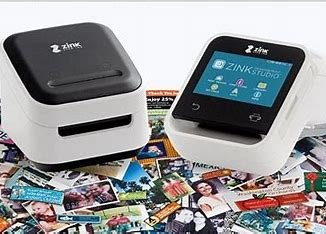
Inkless printing, a concept that was once confined to the realm of science fiction, is now rapidly becoming a reality. This innovative technology promises to redefine the way we print, offering a sustainable, cost-effective, and high-quality alternative to traditional ink-based printers.
How Does Inkless Printing Work?
Unlike traditional printers that rely on liquid ink cartridges, inkless printers employ various mechanisms to create images and text. Some of the most common methods include:
Thermal Transfer Printing:
This technique uses heat to transfer a solid ink layer onto the paper. The heat melts the ink, causing it to adhere to the paper’s surface.
Electrostatic Printing:
This method involves charging particles of toner and then attracting them to the paper using electrostatic forces. The toner particles are then fused to the paper using heat.
Dye Sublimation:
This process uses heat to convert solid dye into a gas, which then penetrates the paper fibers. The dye cools and solidifies, creating a high-quality image.
Benefits of Inkless Printing
Inkless printing offers several advantages over traditional ink-based printing, including:
Cost-Effectiveness:
Inkless printers often have lower upfront costs and require fewer consumables. This can result in significant savings over time.
Sustainability:
Inkless printing eliminates the need for liquid ink cartridges, which can be harmful to the environment. This makes it a more sustainable option.
High Quality:
Inkless printers can produce high-quality prints with vibrant colors and sharp details.
Versatility:
Inkless technology can be used for a wide range of applications, from printing documents to creating photographs.

The Future of Inkless Printing
As technology continues to advance, we can expect to see even more innovative and efficient inkless printing solutions. Some potential developments include:
Nanotechnology:
The use of nanotechnology could enable the creation of even smaller and more efficient inkless printing components.
Integration with Smart Devices:
Inkless printers could be integrated with smartphones and other smart devices, allowing for seamless wireless printing.
New Materials:
The development of new materials could lead to even higher-quality prints and more sustainable printing processes.
Laser-Induced Thermal Transfer (LITT):
How it works:
A laser beam is focused on a specific area of a solid ink sheet, causing it to melt and transfer onto the paper.
Benefits:
Offers high print quality, fast printing speeds, and precise control over the transferred ink.
Piezoelectric Inkless Printing:
How it works:
Piezoelectric elements generate vibrations that force tiny droplets of solid ink onto the paper.
Benefits:
Offers high print resolution, low ink consumption, and the ability to print on a variety of surfaces.

Magnetic Inkless Printing:
How it works:
Magnetic fields are used to manipulate magnetic particles, which are then attracted to the paper and fused using heat.
Benefits:
Offers high print quality, low ink consumption, and the potential for integration with other magnetic technologies.
Electrohydrodynamic Inkless Printing:
How it works:
Electric fields are used to manipulate liquid ink, creating tiny droplets that are then ejected onto the paper.
Benefits:
Offers high print resolution, the ability to print on a variety of surfaces, and the potential for integration with other electronic devices.
3D Printing and Inkless Technology:
How it works:
While not strictly inkless, 3D printing often uses materials that are not traditional inks, such as powders or resins.
Benefits:
Offers the ability to create complex three-dimensional objects, reducing waste, and enabling customization.
Future Trends in Inkless Printing
The field of inkless printing is rapidly evolving, with several exciting trends emerging:
Integration with IoT and Smart Devices:
Inkless printers could become seamlessly integrated with the Internet of Things (IoT) and smart devices, allowing for remote printing, automated workflows, and real-time monitoring.
Biodegradable and Sustainable Materials:
Researchers are exploring the use of biodegradable and sustainable materials for inkless printing, reducing the environmental impact of the technology.
Multi-Material Printing:
Inkless printing could be extended to print with multiple materials, such as different types of plastics, metals, or even living cells.
Flexible and Wearable Printing:
Inkless printing could be used to create flexible and wearable electronics, such as smart clothing or medical devices.
Personalized and On-Demand Printings:
Inkless printings could enable personalized and on-demand printings, allowing individuals to create customized products and designs.
Enhanced Security Features:
Inkless printings could be used to incorporate security features, such as anti-counterfeiting measures or digital signatures.

In Summary:
Inkless printings represents a significant breakthrough in printings technology. With its potential for cost-effectiveness, sustainability, and high quality, it is poised to become a mainstream alternative to traditional ink-based printers. As research and development continue, we can expect to see even more exciting advancements in this field.
FAQs:
What is inkless printings?
A: Inkless printings is a technology that produces prints without using liquid ink cartridges. Instead, it employs various mechanisms, such as thermal transfer, electrostatic printings, or dye sublimation, to create images and text.
How does inkless printings work?
A: The specific mechanism varies depending on the type of inkless printer, but generally, it involves using heat, electrostatic forces, or other methods to transfer a solid ink or toner onto the paper.
What are the advantages of inkless printings?
A: Inkless printers offer several advantages, including:
Cost-effectiveness: Lower upfront costs and fewer consumables.
Sustainability: Reduced environmental impact due to eliminating liquid ink cartridges.
High quality: Can produce high-quality prints with vibrant colors and sharp details.
Versatility: Suitable for a wide range of applications, from documents to photographs.
Are inkless printers more expensive than traditional ink-based printers?
A: The initial cost of inkless printers can vary, but they often have lower long-term costs due to reduced consumables.
What types of inkless printers are available?
A: Common types include thermal transfer, electrostatic, and dye sublimation printers.
What types of paper can be used with inkless printers?
A: Inkless printers typically require special paper designed for the specific printings technology.
What is the print speed of inkless printers?
A: Print speeds can vary depending on the printer model and the complexity of the print job.
How long do inkless prints last?
A: The longevity of inkless prints depends on factors such as the quality of the paper, storage conditions, and the printings technology used.
To read more, click here