
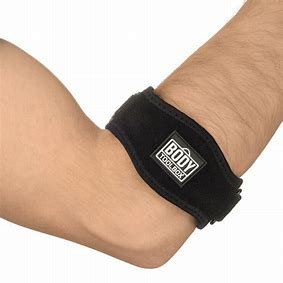
Tennis elbow, also known as lateral epicondylitis, is a common condition characterised by pain on the outside of the elbow. It often occurs due to overuse of the forearm muscles, particularly those involved in gripping and wrist extension. While rest and physical therapy are often recommended, a tennis elbow splint can provide significant relief and support.
Understanding Tennis Elbow Splints
A tennis elbow splint is a medical device designed to reduce stress on the affected area and promote healing. It typically consists of a padded strap that wraps around the elbow and provides compression to the tendons. The splint may also include a support bar that extends from the elbow to the wrist, helping to immobilise the joint and prevent further irritation.
Types of Tennis Elbow Splints
There are several types of tennis elbow splints available, each with its own unique features and benefits:
Full-arm splints:
These provide the most comprehensive support by immobilising both the elbow and the wrist. They are often recommended for severe cases of tennis elbow or when other treatments have failed.
Wrist-only splints:
These focus on supporting the wrist and forearm muscles, which can be beneficial for mild to moderate cases of tennis elbow.
Counterforce splints:
These work by applying pressure to a specific point on the forearm, which can help to reduce pain and inflammation.
Benefits of Using a Tennis Elbow Splint
Pain relief:
By reducing stress on the affected tendons, a tennis elbow splint can provide significant pain relief.
Inflammation reduction:
The compression provided by the splint can help to reduce inflammation and swelling.
Healing promotion:
By immobilising the joint, a splint can allow the injured tendons to heal properly.
Improved function:
As pain and inflammation subside, the splint can help to improve elbow function and range of motion.

Choosing the Right Tennis Elbow Splint
When selecting a tennis elbow splint, it is important to consider the severity of your condition, your lifestyle, and your personal preferences. Consulting with a healthcare professional can help you determine the most appropriate type of splint for your needs.
Tips for Using a Tennis Elbow Splint
Wear it as directed:
Follow your healthcare provider’s instructions regarding how often and for how long to wear the splint.
Adjust the fit:
Ensure that the splint fits snugly but not too tightly.
Combine with other treatments:
A splint can be used in conjunction with other treatments, such as physical therapy and over-the-counter pain relievers.
Seek professional guidance:
If you experience any discomfort or worsening symptoms while wearing a splint, consult with your healthcare provider.
A Deeper Dive into Tennis Elbow Splints
While the basic concept of a tennis elbow splint is straightforward, there are several factors to consider when making a selection:
Materials:
Splints can be made from various materials, including neoprene, aluminium, and plastic. Each material has its own advantages and disadvantages in terms of comfort, durability, and support.
Design:
Splints can vary in design, with some offering additional features like adjustable straps, removable stays, or built-in gel pads. These features can enhance comfort, support, and customization.
Sizing:
It’s crucial to choose a splint that fits properly to ensure optimal effectiveness. Many splints come in different sizes, so it’s important to measure your elbow and wrist to find the right fit.
Lifestyle:
Consider your lifestyle and activities when selecting a splint. If you’re an athlete or someone who requires a lot of hand and wrist movement, you may need a more supportive or lightweight option.
Cost:
Splints can vary in price, depending on the materials, features, and brand. It’s essential to find a splint that offers good value for your money without compromising quality.

Additional Considerations:
Over-the-counter vs. prescription:
While over-the-counter splints can be effective for mild cases, more severe cases may require a prescription splint.
Custom-made splints:
For individuals with unique needs or complex conditions, a custom-made splint may be necessary.
Maintenance:
Follow the manufacturer’s instructions for cleaning and maintaining your splint to ensure its longevity.
When to Consider a Splint:
Persistent pain:
If you’re experiencing ongoing elbow pain that interferes with your daily activities, a splint may be beneficial.
Failed conservative treatments:
If other treatments, such as rest, ice, and physical therapy, haven’t provided relief, a splint may be worth considering.
Preventing further injury:
A splint can help prevent further damage to the affected tendons by limiting movement.
In Summary:
Tennis elbow splints can be a valuable tool for managing the pain and discomfort associated with lateral epicondylitis. By providing support, reducing inflammation, and limiting movement, these splints can help promote healing and improve overall function.

FAQS:
What is a tennis elbow splint?
A: A tennis elbow splint is a medical device designed to provide support and reduce pain for people suffering from lateral epicondylitis, commonly known as tennis elbow. It typically consists of a padded strap that wraps around the elbow and provides compression to the affected area.
Who can benefit from a tennis elbow splint?
A: People with tennis elbow, characterised by pain on the outside of the elbow, can benefit from using a splint. It can help reduce pain, inflammation, and promote healing.
How does a tennis elbow splint work?
A: By applying pressure to the affected area and limiting movement, a tennis elbow splint can help reduce pain and inflammation. It can also provide support to the muscles and tendons involved in elbow movement.
What are the different types of tennis elbow splints?
A: There are several types of splints available, including full-arm splints, wrist-only splints, and counterforce splints. Each type has its own advantages and disadvantages, and the best choice will depend on the individual’s needs and the severity of their condition.
When should I choose a full-arm splint?
A: Full-arm splints provide the most comprehensive support and are often recommended for severe cases of tennis elbow or when other treatments have failed.
When should I choose a wrist-only splint?
A: Wrist-only splints are suitable for mild to moderate cases of tennis elbow and focus on supporting the wrist and forearm muscles.
What is a counterforce splint?
A: A counterforce splint applies pressure to a specific point on the forearm to help reduce pain and inflammation.
To read more, click here