
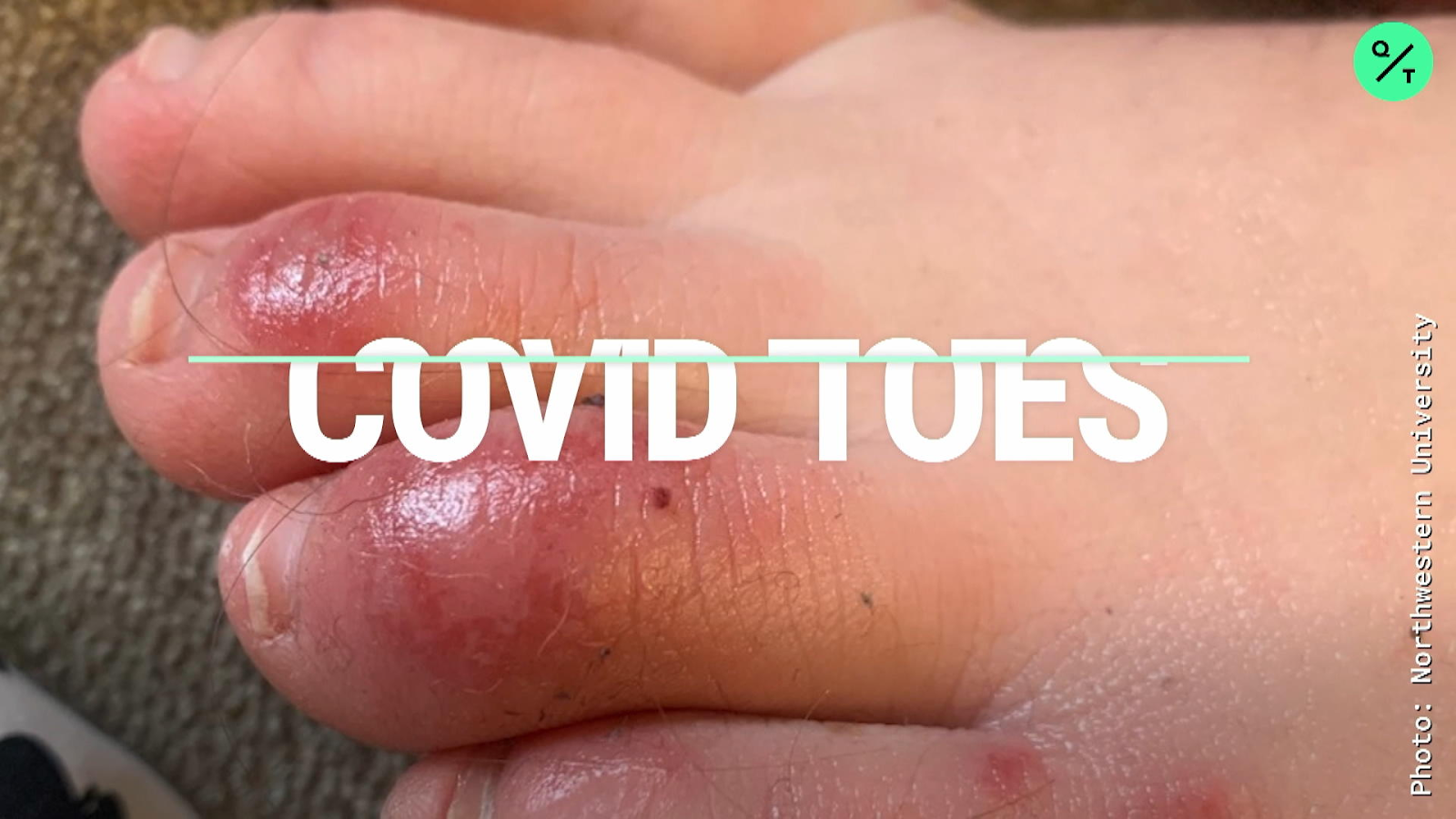
The ever-evolving landscape of COVID-19 symptoms can be confusing. One such symptom that generated curiosity and concern during the early stages of the pandemic was “covid toes.”
This article dives deep into covid toes, separating fact from fiction and providing insight into the latest information available.

Understanding Covid Toes: Signs, Symptoms, and Who Gets Them
Covid toes typically present as discoloration and swelling of the toes, most commonly affecting the second or third toes. Here’s a breakdown of the telltale signs:
Discoloration: The affected toes may turn red, purple, or bluish.
Swelling: The toes might appear puffy or inflamed.
Pain or Tenderness: While not always present, some individuals experience pain or tenderness in the affected toes.
Blisters: In some cases, small blisters may form on the toes.
It’s important to note that covid toes can occur in people with no other symptoms of COVID-19, particularly in children and young adults.
The Cause of the Discoloration: Unraveling the Mystery
The exact cause of covid toes remains under investigation. Here are the two main theories:
Small Blood Clot Formation: Some research suggests tiny blood clots might develop in the blood vessels of the toes, leading to discoloration and inflammation.
Immune Response: Another theory proposes that the body’s immune response to the virus could be responsible for the toe inflammation.
Covid Toes vs. Chilblains: How to Tell the Difference
Chilblains are another condition that can cause redness, swelling, and itching of the toes and fingers, typically triggered by cold weather. Here’s how to distinguish between the two:
Seasonality: Chilblains are more common during cold winter months, while covid toes can occur any time of year.
Other Symptoms: Covid toes may be accompanied by other COVID-19 symptoms like fever, fatigue, or loss of taste or smell, which are not typically seen with
chilblains.
Confirmation Test: A positive COVID-19 test can help confirm the diagnosis of covid toes.

The Course of Covid Toes: How Long Do They Last and What to Expect?
The good news is that covid toes are generally a mild condition and usually resolve within a few weeks to a few months without requiring specific treatment. Here’s what to expect:
Symptoms: The discoloration and swelling may gradually improve over time.
Home Care: Soaking the affected toes in warm water and over-the-counter pain relievers can help manage discomfort.
Seeking Medical Attention: If the symptoms worsen, become extremely painful, or are accompanied by fever or other concerning symptoms, consult a doctor.
The Evolving Landscape: Covid Toes in the Age of Vaccination
With widespread vaccination efforts, the incidence of covid toes appears to be lower. However, it’s still possible for vaccinated individuals to experience this symptom. While research is ongoing, a few cases of covid toes have been reported following COVID-19 vaccination. These cases seem to be rare and usually mild, resolving within a short period.
When in Doubt, Get Checked Out: Importance of Early Diagnosis
If you experience discoloration, swelling, or pain in your toes, it’s advisable to consult a doctor to rule out covid toes or other underlying conditions. Early diagnosis can help ensure proper management and avoid potential complications.

Living with Covid Toes: Tips for Managing Discomfort and Promoting Healing
While covid toes typically resolve on their own, here are some tips to manage discomfort and promote healing:
Rest and Elevation: Elevate your toes above your heart as much as possible to reduce swelling.
Warm Soaks: Soaking your toes in warm water for 15-20 minutes a few times a day can increase blood flow and soothe inflammation.
Over-the-Counter Pain Relief: Pain relievers like ibuprofen or acetaminophen can help manage discomfort.
Wear Comfortable Shoes: Avoid tight-fitting shoes that put pressure on the affected toes.
Moisturize: Keeping your toes moisturized can help prevent dryness and cracking.
Conclusion: Covid Toes – A Reminder of the Evolving Nature of COVID-19
Covid toes, while generally not serious, highlight the varied manifestations of COVID-19. Staying informed about the latest symptoms and consulting a doctor for any concerning signs is crucial during these times. By practicing good hygiene, vaccination (when eligible), and remaining aware of potential symptoms, we can better protect ourselves and navigate the ever-changing landscape of COVID-19.
FAQs
Covid toes, also known as pernio or chilblains, have emerged as a puzzling but less common symptom of COVID-19. Here’s a breakdown of the top questions people are searching for on YouTube and Google to shed light on this chilly phenomenon.
What are Covid toes?
Covid toes are a skin condition that can develop on the toes, and sometimes fingers, in people who have COVID-19. It typically causes:
Discoloration: The affected toes might turn red, purple, or even bluish.
Swelling: The toes can become puffy and inflamed.
Pain or discomfort: Some people experience pain, itchiness, or a burning sensation in the affected toes. However, others might not feel any discomfort at all.
Are Covid toes serious?
In most cases, Covid toes are harmless and resolve on their own within a few weeks to months. However, if the symptoms worsen or persist for a long time, consult a healthcare professional.
What causes Covid toes?
The exact cause of Covid toes remains under investigation. Some theories suggest:
Inflammation: The body’s immune response to the virus might inflame blood vessels in the toes.
Microclots: Tiny blood clots in the toes could restrict blood flow and cause discoloration.
Who is most likely to get Covid toes?
Covid toes seem to be more common in:
Children and young adults: Although anyone can develop them.
People with mild COVID-19 cases: They might not even experience other typical symptoms.
How can I tell the difference between Covid toes and chilblains?
Covid toes are very similar to chilblains, a condition triggered by cold weather exposure. However, Covid toes can develop in any season, unlike chilblains. Consulting a doctor for diagnosis is recommended.
I saw a YouTube video saying Covid toes cause blisters or pus. Is that true?
While some people might experience blisters or raised, itchy bumps, pus-filled blisters are uncommon with Covid toes. If you experience these symptoms, consult a doctor to rule out other potential causes.
How can I treat Covid toes?
There’s no specific treatment for Covid toes. Here are some home remedies that might offer relief:
Warm Soaks: Soak your feet in warm (not hot) water for 10-15 minutes at a time.
Over-the-counter pain relievers: Medications like ibuprofen or acetaminophen might help manage discomfort.
Elevating your feet: This can reduce swelling.
Remember: If symptoms worsen or persist, consult a healthcare professional. They can recommend additional treatment options or rule out other potential causes.
Can I prevent Covid toes?
There’s no guaranteed way to prevent Covid toes. However, focusing on preventing COVID-19 itself is the most effective strategy. This includes:
Vaccination and Boosting: Getting vaccinated and boosted significantly reduces your risk of contracting COVID-19 and potentially developing Covid toes.
Hygiene Practices: Frequent handwashing and wearing masks in crowded spaces can help lower your chances of catching the virus.
Covid toes, while not a major health concern, can be an unexpected and puzzling symptom. By understanding the condition and following these tips, you can manage the discomfort and focus on recovery.
To read more, Click Here.