
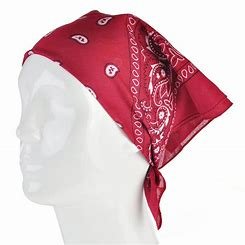
Bandannas, those colourful, square pieces of fabric, have been a staple in fashion and culture for centuries. From their humble beginnings as utilitarian head coverings to their modern-day status as stylish accessories, bandannas have evolved to suit various purposes and tastes. Let’s delve into the fascinating history and versatility of this iconic item.
A Brief History of Bandannas
The origins of bandannas can be traced back to India, where they were originally known as “bandanas” or “rumals.” These pieces of cloth were primarily used by Indian labourers and farmers to protect their heads and faces from the sun and dust. They were also used as handkerchiefs and towels.
Over time, bandannas gained popularity in Europe and North America, particularly among sailors and cowboys.
These groups found them to be practical and versatile accessories that could be used for a variety of purposes, such as tying up hair, wiping sweat, and even as makeshift bandages.

The Versatility of Bandannas
Bandannas have always been known for their versatility. They can be worn in countless ways, making them a popular choice for people of all ages and styles. Here are some of the most common ways to wear a bandanna:
Headwear:
Bandannas can be tied in various styles, including the classic pirate look, the cowboy bandana, and the more modern turban style.
Neckwear:
Bandannas can be folded and tied around the neck as a scarf or a neckerchief.
Wristband:
Bandannas can be folded into a narrow strip and worn as a wristband.
Belt:
Bandannas can be used as a belt, especially when paired with casual outfits.
Hair Accessory:
Bandannas can be used to tie up hair, especially long hair.

Bandannas in Fashion and Culture
Bandannas have played a significant role in fashion and culture throughout history. They have been associated with various subcultures, including cowboys, hippies, and punk rockers.
In recent years, bandannas have experienced a resurgence in popularity, with designers incorporating them into their collections and celebrities sporting them on the red carpet.
Choosing the Right Bandanna
With so many different styles and colours available, it can be overwhelming to choose the right bandanna. Here are a few tips to help you select the perfect one:
Consider your personal style:
Think about the outfits you typically wear and choose a bandanna that complements your style.
Choose a colour that suits you:
Opt for a colour that flatters your skin tone and eye colour.
Think about the occasion:
The occasion will determine the appropriate style and material for your bandanna.
Additional Points
Material Matters:
Bandannas are typically made of cotton, but they can also be made of other materials, such as silk, polyester, and rayon.
Care and Maintenance:
Bandannas are generally easy to care for. They can be machine washed in cold water and tumble dried on low heat.
DIY Projects:
Bandannas can be used for a variety of DIY projects, such as making hair ties, masks, and even bags.

In Summary:
Bandannas are more than just accessories; they are versatile pieces of fabric with a rich history. Whether you’re looking for a practical head covering or a stylish statement piece, bandannas offer endless possibilities. So why not add a bandanna to your wardrobe and embrace this timeless classic?
FAQs:
What is a bandana?
A: A bandana is a square piece of fabric, typically made of cotton, that can be used for various purposes, including headwear, neckwear, and accessories.
What are the origins of bandannas?
A: The origins of bandannas can be traced back to India, where they were originally known as “rumals.” They were primarily used by Indian labourers and farmers to protect their heads and faces from the sun and dust.
What are some common ways to wear a bandana?
A: Bandannas can be worn in countless ways, including:
Headwear: pirate look, cowboy bandana, turban style
Neckwear: scarf, neckerchief
Wristband
Belt
Hair accessory
What are some popular bandanna styles?
A: Popular bandanna styles include paisley patterns, solid colours, and tie-dye designs.
How can I style a bandana with my outfit?
A: Bandannas can be dressed up or down. For a casual look, pair a bandana with jeans and a t-shirt. For a more formal look, fold a bandana into a narrow strip and wear it as a belt.
What are some bandanna trends for 2023?
A: While trends can change, some popular bandanna styles for 2023 include oversized bandannas, vintage-inspired designs, and bandannas with bold patterns.
Can bananas be used for practical purposes?
A: Yes, bandannas have many practical uses, such as:
Protecting your head and face from the sun and dust
Wiping sweat
Acting as a makeshift bandage
Tying up hair
What are some other uses for bandannass?
A: Bandannass can also be used for DIY projects, such as making hair ties, masks, and even bags.
Are bananas a good option for outdoor activities?
A: Bandannass are a great option for outdoor activities, as they can protect your head and face from the elements. They can also be used as a sweatband or a makeshift towel.
How should I care for my bandana?
A: Bandannass are generally easy to care for. Most bandannass can be machine washed in cold water and tumble dried on low heat. However, it’s always a good idea to check the care label for specific instructions.
Can I iron a bandana?
A: Yes, you can iron a bandana. It’s best to iron it on a low heat setting and use a pressing cloth to protect the fabric.
Can I bleach a bandana?
A: It’s generally not recommended to bleach bandannass, as it can damage the fabric and fade the colours.
Where did bananas originate?
A: Bandannass originated in India, where they were originally known as “rumals.”
What cultures have used bandannass throughout history?
A: Bandannass have been used by various cultures throughout history, including Indian labourers, sailors, cowboys, and hippies.
What is the significance of bandannass in certain cultures?
A: In some cultures, bandannass have symbolic or religious significance. For example, in some Native American cultures, bandannass are worn as a sign of respect or as a tribute to ancestors.
To read more, click here