
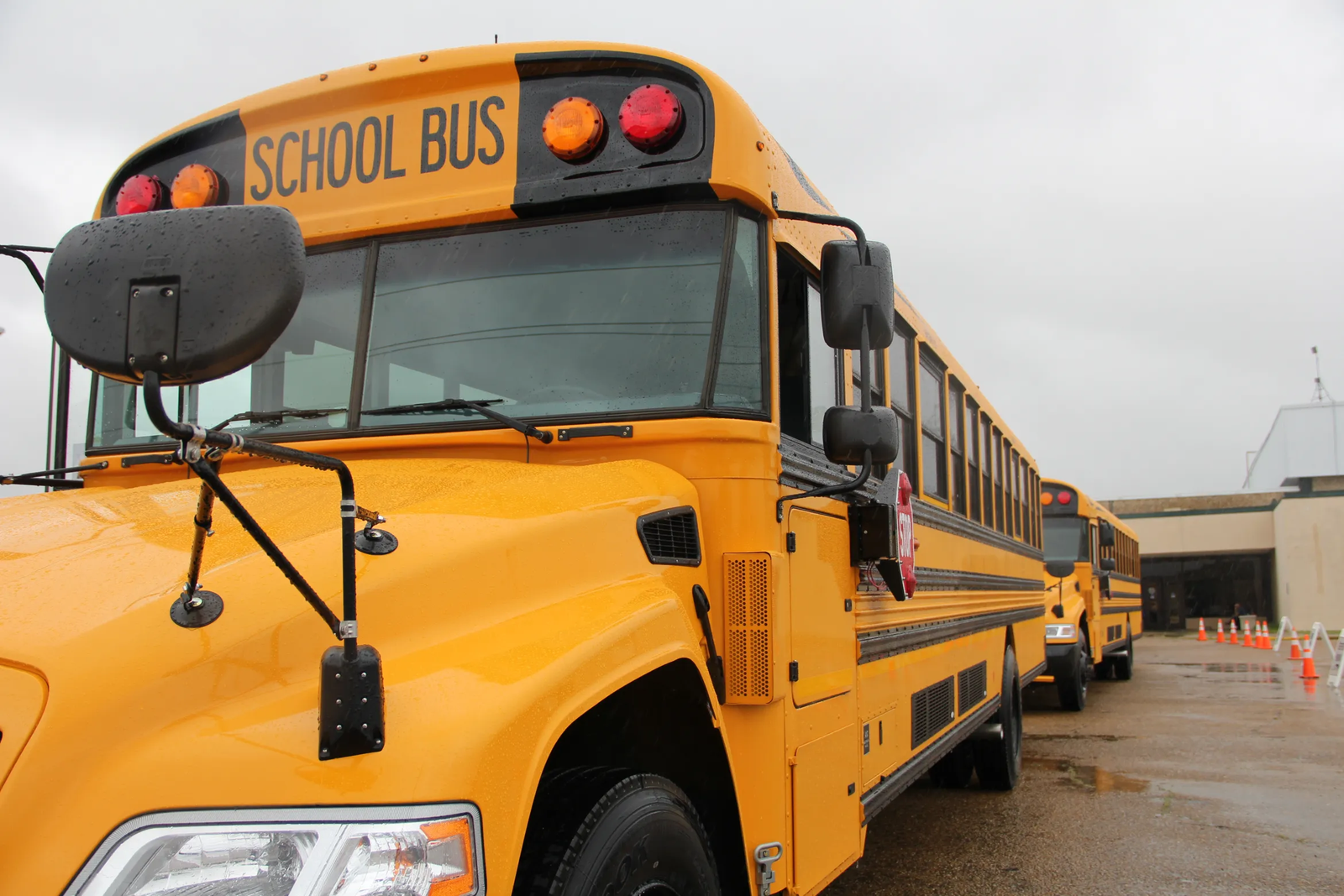
Bus strikes—the very term sparks conversations across communities, social media, and news platforms. From commuters stranded during rush hour to workers rallying for fair pay, bus strikes disrupt daily routines while shedding light on significant issues. This article delves into the nuances of bus strikes, exploring their causes, ripple effects, and the trending discourse on platforms like X (formerly Twitter) and Meta.
What Triggers a Bus Strike?
Bus strikes occur when workers, often including drivers, maintenance crews, and support staff, collectively stop work as a form of protest. The common reasons include:
Wage disputes: Many strikes stem from disagreements over salary increases, often amidst rising living costs.
Working conditions: Long hours, safety concerns, and insufficient breaks frequently come under scrutiny.
Job security: Layoffs or changes in contracts can provoke strong reactions from unions and employees.
Privatisation or outsourcing concerns: Policies that affect public transport management sometimes lead to unrest.
In recent months, strikes have surged across regions due to inflationary pressures and debates over public funding cuts.
The Immediate Impact on Commuters
The most visible consequence of a bus strike is the disruption to daily life. Cities with high dependency on public transportation witness chaos during these events. Commuters may:
Struggle to find alternative travel options, often leading to overcrowded trains or increased reliance on carpooling.
Face additional expenses for taxis or ride-sharing services.
Experience delays in reaching workplaces, schools, or medical appointments.
For those in rural or suburban areas, where buses might be the sole mode of transport, the impact is even more profound. Businesses reliant on timely deliveries or commuter footfall also bear the brunt.
Economic and Social Repercussions
Bus strikes extend beyond individual inconvenience, affecting broader economic and social landscapes.
Losses to businesses: Shops, restaurants, and services located in busy transit hubs often see reduced foot traffic.
Environmental concerns: Increased use of private vehicles during strikes can lead to higher carbon emissions and traffic congestion.
Community tensions: Strikes occasionally polarise opinions. While some support workers’ rights, others prioritise an uninterrupted transport system.
Striking workers argue that addressing their demands can prevent long-term disruptions, highlighting the importance of investing in public transportation infrastructure and staff welfare.
A Look at Recent Bus Strikes
United Kingdom
In late 2024, major cities across the UK, including London, Manchester, and Birmingham, witnessed widespread bus strikes. Workers protested over stagnating wages amidst rising inflation. The strikes coincided with holiday shopping peaks, intensifying commuter frustration and amplifying discussions on X and Meta.
United States
Several states have faced bus strikes, with California leading headlines. Protests over low wages and healthcare benefits have dominated discussions. Community-driven initiatives like carpool networks have emerged as temporary solutions, showcasing solidarity among affected residents.
Australia
In Melbourne and Sydney, strikes have revolved around job security amidst privatisation debates. Public opinion remains divided, with significant advocacy for improving transport workers’ pay and conditions.
Social Media’s Role in Bus Strike Discourse
Platforms like X, Meta, and even TikTok play a significant role in shaping public narratives around bus strikes.
X (formerly Twitter): Trending hashtags like #BusStrike2024 and #FairPayForDrivers are drawing attention to the human stories behind these strikes. Real-time updates on routes affected and alternative options help commuters plan their day.
Meta: Facebook groups are increasingly used to organise local carpools or share live updates about ongoing disruptions.
TikTok and Instagram: Drivers and commuters alike are using these platforms to share experiences, from documenting the challenges of striking workers to showcasing creative solutions commuters have adopted.
These platforms provide a window into the emotional and practical dimensions of bus strikes, fostering empathy and community action.
How Governments and Unions Address Strikes
Resolving bus strikes often involves negotiations between unions, representing the workers, and government or private transport operators. Key steps in the resolution process include:
Dialogue: Both sides meet to discuss grievances, usually mediated by a third party.
Public funding adjustments: Governments may increase subsidies to transport agencies to meet wage demands.
Legislative interventions: In extreme cases, legal measures may compel workers to return to their jobs while negotiations continue.
Challenges in Resolving Strikes
Reaching an agreement is often protracted due to budget constraints, opposing public opinions, and the complexity of modern transportation systems.
The Path Forward
Bus strikes underscore the need for sustainable solutions in public transportation. A focus on improving workers’ conditions, modernising fleet systems, and creating contingency plans for service interruptions could mitigate future disruptions. Investments in alternative transit options, such as bike-sharing schemes and electric shuttles, can also reduce dependency on buses during strikes.
Final Thought
Bus strikes are more than a temporary inconvenience—they reflect deeper challenges within public transportation systems. By addressing workers’ grievances, ensuring fair policies, and promoting open dialogue, communities and governments can minimise disruptions while fostering a more resilient transit network. The discourse unfolding on X, Meta, and beyond highlights the collective will to find equitable solutions, reinforcing the value of empathy and innovation in tackling societal challenges.
FAQs
What are the recent updates on bus strikes?
Bus strikes are ongoing or planned in various regions, including Spain and parts of the UK, driven by disputes over pay and working conditions. In Spain, additional strike days are scheduled for December 9, with an indefinite strike from December 23 if negotiations fail. Travelers in London have seen disruptions due to past strikes by bus control staff, though some disputes were resolved recently with improved pay offers.
How can I check if my route is affected?
Before traveling, confirm the status of your journey through official transport websites or local news. Many transit companies offer real-time updates via apps or notifications to inform passengers about affected routes and schedules.
Why are bus workers striking?
The strikes often stem from wage disputes or concerns over working conditions. For example, in Spain, unions demand fair pay hikes, while in the UK, workers have protested inadequate pay increases compared to inflation, leading to real-term cuts.
Are alternative travel options available during strikes?
Yes, alternative modes like trains, carpools, or buses on unaffected routes are often available. Apps like Busbud can help travelers find and book alternate travel options to minimize disruptions.
How can passengers stay informed during strikes?
Stay updated via transportation providers’ social media or websites and follow relevant hashtags like #BusStrike or #TravelUpdates on platforms like X (formerly Twitter). These are great for real-time updates and community-shared insights.
To Read More, click here