
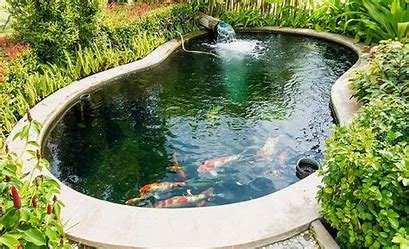
A fish pond can be a beautiful addition to your backyard, providing a serene and calming atmosphere. It’s a great way to connect with nature and enjoy the beauty of aquatic life.
Planning Your Fish Pond
Before you start building your fish pond, there are a few things you need to consider:
Location:
Choose a sunny location with partial shade. Avoid areas with heavy tree canopies, as falling leaves and debris can pollute the water.
Size:
The size of your pond will depend on the number of fish you want to keep. A small pond can be sufficient for a few goldfish, while a larger pond can accommodate a variety of fish species.
Depth:
The depth of your pond should vary. A shallow area for plants and fish to bask in the sun, and a deeper area for fish to hide and overwinter.
Building Your Fish Pond
There are several options for building a fish pond:
Pre-formed Pond Liner:
This is the easiest option, as you simply dig a hole and place the liner in it.
EPDM Rubber Liner:
A durable and flexible option that can be used to create ponds of any shape or size.
Concrete Pond:
A more permanent option that requires skilled construction techniques.
Stocking Your Fish Pond
Once your pond is built, you can start stocking it with fish. Choose fish that are suitable for the size and depth of your pond. Popular choices include goldfish, koi, and minnows.

Maintaining Your Fish Pond
Maintaining your fish pond is essential for the health of your fish and the overall appearance of your pond. Here are a few tips:
Water Quality:
Test your water regularly to ensure it has the proper pH levels, ammonia, nitrite, and nitrate levels.
Filtration:
A good filtration system is essential for keeping your water clean.
Aeration:
Aeration helps to circulate oxygen throughout the water.
Plants:
Aquatic plants can help to improve water quality and provide habitat for fish and invertebrates.
Algae Control:
Algae can be a problem in ponds. You can control algae by limiting nutrients in the water, providing adequate filtration, and using algae-eating fish.
Decorating Your Fish Pond
Rocks and Gravel:
Add rocks and gravel to create a natural-looking environment for your fish.
Water Features:
Consider adding a waterfall, fountain, or stream to your pond for added interest and aeration.
Plants:
Aquatic plants can add colour, texture, and provide oxygen to your pond. Choose plants that are suitable for the depth and lighting conditions of your pond.
Winter Care
Pond Covers:
Protect your pond from freezing temperatures by using a pond cover.
De-icers:
If your pond freezes over, use a de-icer to prevent the ice from becoming too thick.
Fish Food:
Reduce the amount of food you feed your fish during the winter months.
Troubleshooting Common Pond Problems
Cloudy Water:
Cloudy water can be caused by algae blooms or excess nutrients. Improve filtration, limit nutrients, and consider using a water clarifier.
Fish Disease:
Watch for signs of fish disease, such as lethargy, discoloration, or abnormal behaviour. Consult a veterinarian or a local fish expert if you suspect a problem.
Algae Overgrowth:
Control algae by limiting nutrients, providing adequate filtration, and using algae-eating fish.

Enjoying Your Fish Pond
Relaxation:
Sit back and enjoy the peaceful atmosphere of your fish pond.
Wildlife:
Your ponds may attract birds, frogs, and other wildlife.
Education:
Teach your children about aquatic ecosystems and the importance of water conservation.
Choosing a Biotope
Research:
Learn about different biotopes and the types of fish, plants, and invertebrates that are native to each.
Climate:
Consider your local climate and choose a biotope that is compatible with your region.
Building Your Biotope Ponds
Design:
Create a design that reflects the natural features of your chosen biotope.
Plants:
Use native plants to create a realistic and sustainable environment.
Decor:
Incorporate natural elements like rocks, driftwood, and sand to enhance the aesthetic appeal of your ponds.
Stocking Your Biotope Ponds
Fish:
Choose fish species that are native to your chosen biotope.
Invertebrates:
Consider adding invertebrates like snails, shrimp, and crayfish to create a balanced ecosystem.
Maintaining Your Biotope Ponds
Water Quality:
Monitor water quality closely to ensure it meets the specific requirements of your biotope.
Filtration:
Use a filtration system that is appropriate for the size and type of biotope you have created.
Aeration:
Provide adequate aeration to maintain oxygen levels in the water.
Enjoying Your Biotope Ponds
Observe:
Watch as your biotope develops and observe the interactions between the fish, plants, and invertebrates.
Educate:
Share your knowledge of biotopes with others and inspire them to create their own.

In Summary:
A fish ponds can be a beautiful and rewarding addition to your backyard. It provides a peaceful and serene environment, allowing you to connect with nature and enjoy the beauty of aquatic life.
By carefully planning and maintaining your fish ponds, you can create a thriving ecosystem that will provide you with years of enjoyment. Whether you are a seasoned aquarist or a beginner, a fish ponds can offer a fulfilling and enriching experience.
FAQS:
What is the best size for a fish ponds?
A: The ideal size for a fish ponds depends on the number and type of fish you want to keep. A small ponds can be sufficient for a few goldfish, while a larger ponds can accommodate a variety of fish species. Consider the space available in your backyard and the amount of time you are willing to devote to maintenance.
How deep should a fish ponds be?
A: A fish ponds should have varying depths. A shallow area for plants and fish to bask in the sun, and a deeper area for fish to hide and overwinter. The depth should be at least 2-3 feet deep in the deepest part.
What type of fish are suitable for a small ponds?
A: Some popular fish choices for small ponds include goldfish, minnows, and small koi. These fish are relatively low-maintenance and can thrive in smaller spaces.
To read more, click here