
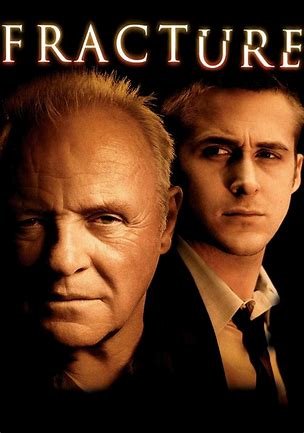
Released in 2007, “Fracture” is a psychological legal thriller that captivated audiences with its suspenseful plot, sharp dialogue, and stellar performances.
Directed by Gregory Hoblit and starring Anthony Hopkins and Ryan Gosling, the film explores a complex game of cat and mouse between a cunning murderer and a determined prosecutor.
This article delves into the key aspects of “Fracture,” dissecting the plot, analyzing the themes, and exploring the elements that make it a compelling cinematic experience.
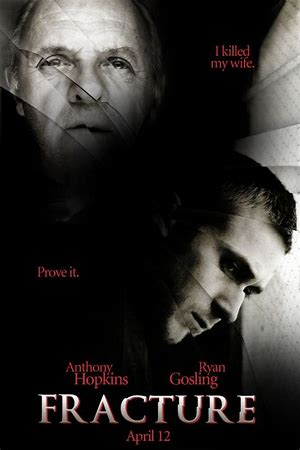
A Twisted Tale of Deceit and Deception
The story revolves around Ted Crawford (Anthony Hopkins), a seemingly respectable structural engineer, who shoots his wife Jennifer (Embeth Davidtz) in cold blood.
He then calls the police, confesses to the crime, and even attempts to stage a suicide. However, instead of pleading guilty, Ted opts to represent himself in court, leaving Assistant District Attorney Willy Beachum (Ryan Gosling) baffled and frustrated.
As the trial unfolds, Willy uncovers inconsistencies in Ted’s story. Despite lacking a murder weapon, a confession, or a clear motive, Willy suspects Ted is playing a much deeper game.
The film becomes a tense battle of wits, with Willy desperately searching for evidence to put Ted away, while Ted manipulates the legal system and uses his engineering expertise to create a seemingly airtight alibi.
Beyond the Crime: Exploring the Film’s Themes
“Fracture” transcends the boundaries of a simple whodunit. The film delves into several thought-provoking themes:
The Fragility of Perception:
The film explores how appearances can be deceiving. Ted, a seemingly upstanding citizen, harbors a dark secret, while Willy, the eager young prosecutor, faces challenges in proving Ted’s guilt despite his suspicions.
The Power of Manipulation:
Ted masterfully manipulates those around him, using his intelligence and charisma to control the narrative. The film explores the psychological toll this manipulation takes on Willy and the impact on the legal system.
The Pursuit of Justice:
Willy embodies the relentless pursuit of justice. Despite the odds stacked against him, he refuses to give up on uncovering the truth. The film explores the importance of due process and the challenges in securing a conviction when a cunning mind is at play.
A Masterclass in Acting: Hopkins and Gosling Shine
A significant factor in “Fracture’s” success is the phenomenal acting by its two leads. He portrays a character with layers of complexity, seamlessly transitioning between a calm demeanor and moments of unsettling rage.
Ryan Gosling, as the determined Willy Beachum, counters Hopkins’ intensity with a portrayal that is both passionate and determined. Their on-screen interactions crackle with tension, creating a captivating dynamic that keeps the audience engaged throughout the film.
More Than Just Suspense: A Look at the Technical Aspects
Adding to the film’s overall quality are the technical aspects:
Cinematography:
The film employs a sharp and polished visual style, with the camera work subtly mirroring the shifting dynamics between Ted and Willy.
Music:
The score by Clint Eastwood and Lennie Niehaus perfectly complements the film’s suspenseful tone, building tension and adding emotional depth to key scenes.
Editing:
The editing seamlessly moves between courtroom scenes, flashbacks, and Ted’s meticulous planning, keeping the narrative dynamic and the audience guessing.
A Lasting Impact: “Fracture’s” Legacy
“Fracture” continues to resonate with audiences due to its well-crafted plot, strong performances, and exploration of complex themes.
Critical Acclaim:
The film received generally positive reviews, with praise directed towards the acting, writing, and direction. Hopkins’ performance in particular garnered critical acclaim.
A Modern Classic:
While not a box office smash hit, “Fracture” has developed a cult following among fans of psychological thrillers and legal dramas.
It’s often considered a hidden gem and a must-watch for those who enjoy films that challenge their perception and keep them guessing until the very end.
Fracture isn’t just a movie; it’s an experience. It invites viewers to become invested in the characters and the unfolding mystery.
The film’s ending, while subject to interpretation, leaves a lasting impression, prompting viewers to ponder the complexities of human nature and the pursuit of justice.
FAQs
Q: What is the basic plot of Fracture?
A: A troubled architect (Richard Gere) attempts to kill his cheating wife, but injures her instead. He then manipulates the legal system and a dedicated detective (Anthony Hopkins) in a deadly game of cat and mouse.
Q: Who are the main actors in Fracture?
A: Richard Gere portrays the manipulative architect, Ted Crawford. Anthony Hopkins plays the determined detective, Rob Nunally.
Q: Is Fracture based on a true story?
A: No, the film is a fictional story written by Glenn Ficarra and John Requa.
Q: Who directed Fracture?
A: The film was directed by Greg Marcks, known for his work on “A League of Their Own” and “We Were Soldiers.”
Q: When was Fracture released?
A: The film premiered in theaters on April 20, 2007.
Q: How well did Fracture perform at the box office?
A: The film earned over $111 million worldwide, considered a moderate success.
Q: What were the critics’ thoughts on Fracture?
A: Reviews were mixed. Some praised the performances of Gere and Hopkins, while others found the plot predictable.
Q: How has Fracture been viewed over time?
A: The film has gained a cult following for its suspenseful twists and turns, despite its initial mixed reception.
Q: Is Fracture considered a neo-noir film?
A: While it shares some elements of the genre with its dark themes and detective story, it’s not a pure neo-noir.
Q: What are some of the main themes explored in Fracture?
A: Deception, manipulation, the justice system, and the consequences of our actions.
Q: What is the significance of the “fracture” in the title?
A: It can refer to the physical injury sustained by the wife, but also symbolizes the fractured relationship and the protagonist’s fractured mental state.
Q: Are there any religious symbols or references in Fracture?
A: Some interpretations explore the detective’s name, “Nunally,” and the concept of good versus evil.
Q: What is the most suspenseful scene in Fracture?
A: Opinions vary, but many find the interrogation scene between Gere and Hopkins particularly tense.
Q: Were there any interesting events during filming?
A: Richard Gere reportedly broke his hand while filming a fight scene, adding a touch of real-life drama.
Q: Is there a Fracture sequel or remake in the works?
A: Currently, there are no plans for a sequel or remake.
Q: Did Fracture influence any other movies or TV shows?
A: The film’s themes of manipulation and legal thrillers might have inspired elements in other works, but there’s no direct connection.
To read more click here