
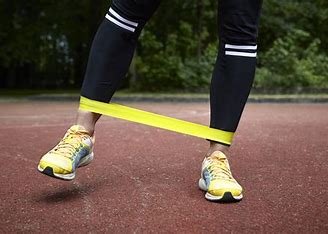
Resistance bands have become a popular exercise tool due to their versatility, portability, and affordability. They offer a low-impact workout that can be done anywhere, making them ideal for people of all fitness levels.
What are Resistance Bands?
Resistance bands are long, stretchy bands made of elastic material. They come in various resistance levels, from light to heavy, allowing you to adjust the intensity of your workout.
Benefits of Using Resistance Bands
Increased Strength and Muscle Tone:
Resistance bands can help you build strength and tone your muscles without bulky gym equipment.
Improved Flexibility:
Stretching with resistance bands can enhance your flexibility and range of motion.
Reduced Risk of Injury:
Low-impact exercises with resistance bands are gentle on your joints, making them suitable for people with injuries or arthritis.
Portability and Convenience:
Resistance bands are easy to carry and can be used anywhere, making them ideal for home workouts or travel.
Effective Resistance Band Exercises
Here are some popular resistance band exercises to incorporate into your workout routine:
Bicep Curls:
Target your biceps by bending your elbow and bringing the band towards your shoulder.
Triceps Extensions:
Work your triceps by extending your arm behind you, keeping your elbow close to your head.
Overhead Press:
Strengthen your shoulders and triceps by pressing the band overhead.
Squats:
Engage your legs and glutes by squatting while holding the band around your thighs.
Lunges:
Target your quads, hamstrings, and glutes by performing lunges with the band around your ankles.
Rows:
Strengthen your back muscles by pulling the band towards your chest.

Tips for Using Resistance Bands
Choose the Right Resistance Level:
Start with a lighter band and gradually increase the resistance as you get stronger.
Maintain Proper Form:
Focus on using correct form to avoid injuries and maximise results.
Incorporate Variety:
Mix up your exercises to target different muscle groups and prevent boredom.
Combine with Other Exercises:
Use resistance bands in conjunction with bodyweight exercises or cardio for a well-rounded workout.
Additional Tips for Using Resistance Bands
Beyond the basic exercises and guidelines mentioned above, here are some more tips to help you get the most out of your resistance band workouts:
Vary Your Grip:
Overhand:
This grip is typically used for exercises like bicep curls and triceps extensions.
Underhand:
This grip is often used for rows and chest presses.
Neutral:
This grip involves holding the band with your palms facing each other.
Experiment with different grips to target different muscle groups and avoid plateaus.
Incorporate Isometric Holds:
Isometric holds involve holding a contracted position for a period of time. For example, you could hold a bicep curl at the top of the movement for 15-20 seconds.
Isometric holds can help increase strength and muscle endurance.
Use Resistance Bands for Dynamic Stretches:
Resistance bands can be used to add resistance to dynamic stretches, such as leg swings or arm circles.
Dynamic stretches can help improve flexibility and warm up your muscles before a workout.
Consider Resistance Band Anchors:
If you don’t have a door anchor or other attachment point, you can use a sturdy object, such as a heavy piece of furniture, to anchor your resistance band.
Just make sure the object is secure and won’t move during your workout.
Don’t Overlook Ankle and Wrist Bands:
While most people think of resistance bands for upper and lower body exercises, they can also be used for ankle and wrist exercises.
These exercises can help improve strength, stability, and coordination.

In Summary:
Resistance bands have emerged as a popular and versatile fitness tool that offers numerous benefits for people of all ages and fitness levels. From building strength and muscle tone to improving flexibility and reducing the risk of injury, resistance bands provide a convenient and effective way to enhance your overall health and well-being.
Their portability, affordability, and low-impact nature make them ideal for home workouts, travel, and rehabilitation. By incorporating resistance band exercises into your routine, you can achieve your fitness goals, improve your functional strength, and enjoy a fun and engaging workout experience.
FAQS:
What are resistance bands made of?
A: Resistance bands are typically made of latex or rubber. Some bands may also contain other materials, such as nylon or polyester, for added durability.
How do I choose the right resistance level?
A: Resistance bands come in various resistance levels, from light to heavy. Start with a lighter band and gradually increase the resistance as you get stronger.
Can I use resistance bands for cardio workouts?
A: While resistance bands are primarily used for strength training, they can also be incorporated into cardio workouts. For example, you can use them for high-intensity interval training (HIIT) or plyometric exercises.
How often should I use resistance bands?
A: Aim for 2-3 resistance band workouts per week to see results. You can incorporate resistance band exercises into your overall fitness routine.
Can resistance bands help with weight loss?
A: While resistance bands alone may not lead to significant weight loss, they can help you build muscle mass and increase your metabolism, which can contribute to weight management.
Are resistance bandss suitable for beginners?
A: Yes, resistance bandss are suitable for beginners. They are a low-impact option that can help you build strength gradually.
Can I use resistance bandss while pregnant?
A: It’s generally safe to use resistance bandss while pregnant, but it’s important to consult with your doctor before starting any new exercise program.
Can I use resistance bandss for rehabilitation?
A: Yes, resistance bandss can be used for physical therapy and rehabilitation to help with injuries or conditions such as arthritis.
How long do resistance bandss last?
A: The lifespan of a resistance band depends on its quality and how often you use it. With proper care, resistance bandss can last for several years.
Can I use resistance bandss outdoors?
A: Yes, you can use resistance bandss outdoors. However, be cautious about using them in extreme weather conditions, as exposure to sunlight or cold temperatures can affect the material.
To read more, click here