
Introduction
Boiling an egg might seem like a simple task, but achieving that perfect consistency – whether soft, medium, or hard-boiled – can be a frustrating endeavor. Enter the egg boiler, a kitchen gadget designed to take the guesswork out of egg preparation. But what exactly is an egg boiler? How does it work? And is it worth the investment? Let’s delve into the world of egg boilers.

What is an Egg Boiler?
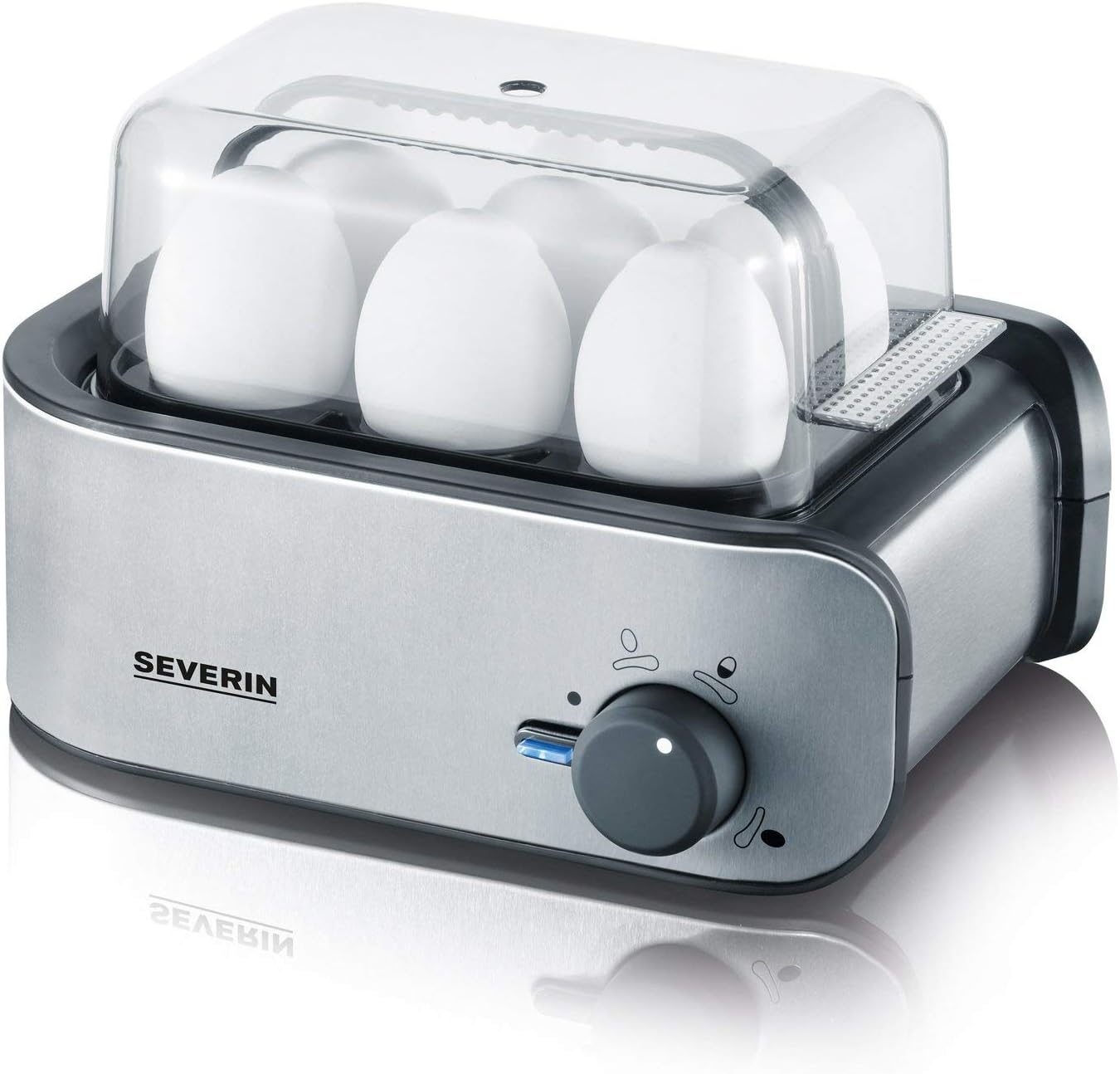
An egg boiler is a small kitchen appliance specifically designed to cook eggs to perfection. It typically consists of a base with a heating element, a water reservoir, and an egg tray or holders. Some models come with additional features like automatic shut-off, tone alarms, and different cooking modes for various egg preparations.
How Does an Egg Boiler Work?
The working principle of an egg boiler is quite straightforward. Here’s a basic breakdown:
Filling the Water Reservoir: The first step is to fill the water reservoir with the required amount of water. The water level usually corresponds to different cooking times or egg consistencies.
Placing the Eggs: The eggs are placed in the provided egg tray or holders. The number of eggs you can cook at once depends on the model.
Starting the Boiler: Once the eggs and water are in place, you simply start the appliance.
Cooking Process: The egg boiler heats the water, creating steam that cooks the eggs. The cooking time is pre-set or can be adjusted depending on the desired egg consistency.
Automatic Shut-off: Most egg boilers have an automatic shut-off feature, ensuring that the eggs are not overcooked.
Types of Egg Boilers
Egg boilers come in various designs and features to cater to different preferences and needs. Here are some common types:
Basic Egg Boiler: This type offers the essential functions of boiling eggs and usually has a simple design.
Multi-functional Egg Boiler: Apart from boiling eggs, these models often include features for poaching, scrambling, or even making omelets.
Automatic Egg Boiler: These high-end models feature advanced settings, such as customizable cooking times and automatic egg removal.
Benefits of Using an Egg Boiler
Consistent Results: An egg boiler eliminates the guesswork involved in traditional egg boiling, ensuring perfectly cooked eggs every time.
Time-Saving: It significantly reduces the time spent on egg preparation compared to stovetop boiling.
Convenience: With its easy-to-use design, an egg boiler is a hassle-free option for busy mornings or quick snacks.
Safety: Many models come with safety features like automatic shut-off and overheating protection.
Versatility: Some egg boilers offer additional functions beyond boiling, making them a versatile kitchen appliance.
Choosing the Right Egg Boiler
When selecting an egg boiler, consider the following factors:
Capacity: Choose a model that can accommodate the number of eggs you typically cook at once.
Features: Determine which features are essential for you, such as automatic shut-off, tone alarms, or multiple cooking modes.
Size: Consider the available space in your kitchen when choosing the size of the egg boiler.

FAQs
Q: Can I use an egg boiler for other foods besides eggs?
A: While primarily designed for eggs, some multi-functional egg boilers can be used to steam vegetables or warm up small portions of food.
Q: How do I clean an egg boiler?
A: Most egg boilers are easy to clean. The removable parts can usually be washed with warm soapy water.
Q: Can I use brown eggs in an egg boiler?
A: Yes, you can use both brown and white eggs in an egg boiler.
What is an Egg Boiler?
An egg boiler is a small kitchen appliance designed specifically for cooking eggs. It’s a convenient and efficient way to boil eggs to your preferred consistency – soft, medium, or hard-boiled. Unlike traditional stovetop boiling, egg boilers provide consistent results and prevent overcooking.
How Does an Egg Boiler Work?
Most egg boilers operate using steam. Water is heated within the appliance, creating steam that cooks the eggs placed in the provided trays. The cooking time is determined by the amount of water added and the desired egg consistency.
What are the Benefits of Using an Egg Boiler?
Convenience: Simple to use and clean.
Consistent results: Ensures perfectly cooked eggs every time.
Time-saving: Faster than boiling eggs on the stove.
Safety: Reduces the risk of eggs cracking or boiling over.
How to Use an Egg Boiler?
Fill the water reservoir with the appropriate amount of water based on the desired egg consistency.
Place the eggs in the provided egg tray.
Close the lid and start the appliance.
Once the cooking cycle is complete, remove the eggs carefully.
How to Make Different Egg Consistencies?
The amount of water used determines the egg consistency:
Soft-boiled: Use less water.
Medium-boiled: Use a moderate amount of water.
Hard-boiled: Use more water.

Can I Boil Other Things in an Egg Boiler?
While designed primarily for eggs, some egg boilers can also be used to steam small vegetables or warm up food. However, it’s essential to check the manufacturer’s instructions before attempting to cook other items.
How to Clean an Egg Boiler?
Most egg boilers are dishwasher-safe, but it’s always recommended to check the manufacturer’s guidelines. For manual cleaning, use mild detergent and a soft sponge to avoid scratching the surface.
How Many Eggs Can an Egg Boiler Hold?
The capacity varies depending on the model. Most egg boilers can accommodate between 4 to 7 eggs at a time.
Is an Egg Boiler Worth It?
If you frequently enjoy boiled eggs, an egg boiler is a worthwhile investment. It offers convenience, consistency, and time-saving benefits.
Can I Overcook Eggs in an Egg Boiler?
Yes, it’s possible to overcook eggs in an egg boiler. Using too much water or extending the cooking time can result in hard-boiled eggs.
Can I Peel Hard-Boiled Eggs Easily After Using an Egg Boiler?
Yes, many people find that hard-boiled eggs peel more easily after being cooked in an egg boiler. This is because the cooking process is more consistent, reducing the formation of a sulfur layer between the egg white and shell.
Additional Tips:
For easier peeling, add a teaspoon of white vinegar to the boiling water.
Immerse hard-boiled eggs in cold water immediately after cooking to prevent further cooking.
By following these tips and understanding the basics of egg boiling, you can enjoy perfectly cooked eggs every time with your egg boiler.
Conclusion
The egg boiler has undeniably transformed the way we cook eggs. With its convenience, efficiency, and ability to deliver consistently perfect results, it has become a popular addition to many kitchens. Whether you’re an avid egg lover or simply looking to simplify your morning routine, an egg boiler is worth considering.
To read more, Click Here