
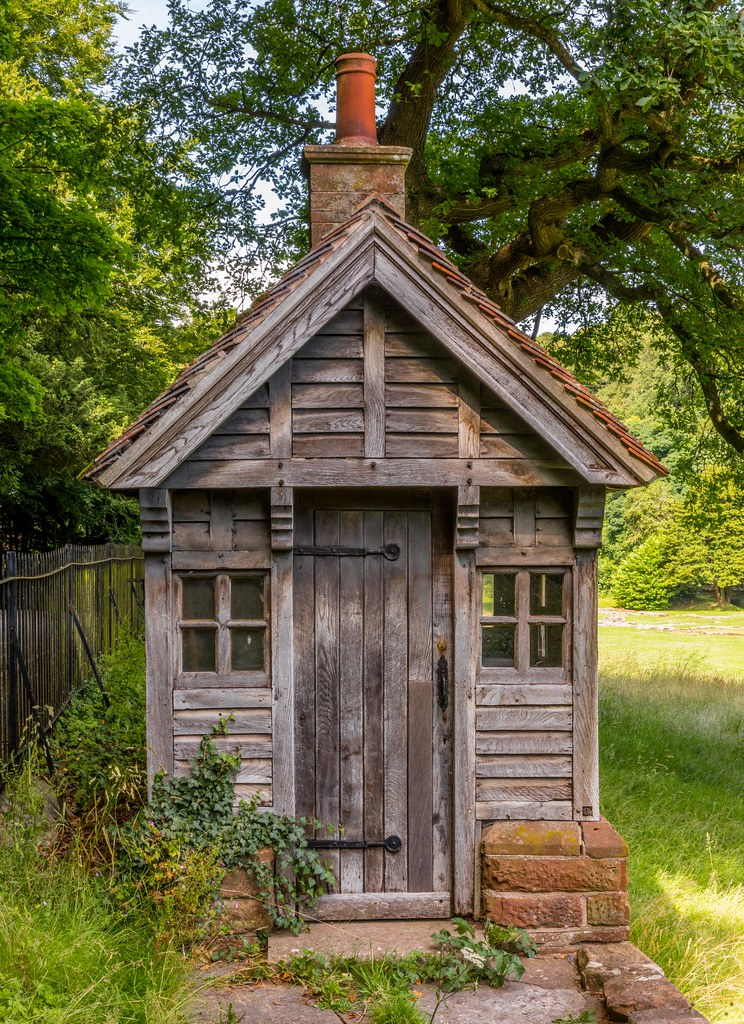
The outhouse, a relic of a bygone era, is a structure that once held a pivotal role in human history. While modern plumbing has largely rendered it obsolete, the outhouse still holds a place in our cultural imagination. Let’s delve into the history, construction, and cultural significance of this peculiar building.

What is an Outhouse?
An outhouse is a small, freestanding structure that houses a toilet. It is typically located outside a dwelling, hence the name. Before the advent of indoor plumbing, outhouses were essential for human waste disposal. They were common in rural areas and small towns well into the 20th century.
A Brief History of the Outhouse
The history of the outhouse is as old as human habitation. Early humans, lacking the luxury of indoor plumbing, simply relieved themselves outdoors. As societies developed, the need for privacy and sanitation led to the construction of rudimentary outhouses.
The outhouse reached its peak in popularity during the 19th and early 20th centuries. As cities grew and indoor plumbing became more accessible, the outhouse gradually declined in use. However, in rural areas and remote locations, outhouses remained a common fixture for many years.
Construction and Design
Outhouses were typically built of wood, though other materials like stone or brick were sometimes used. The basic structure consisted of a box-like frame with a door and a hole dug in the ground to collect waste.
The design of outhouses varied widely depending on cultural and regional factors. Some outhouses were simple and utilitarian, while others were more elaborate.
The Challenges of Outhouse Life
Life with an outhouse presented a number of challenges. In winter, the cold could be unbearable, and the risk of frostbite was a real concern. In summer, the heat and odor could be equally unpleasant. Additionally, outhouses were breeding grounds for flies and other insects, which could pose a health risk.
Moreover, the emptying of the pit was a dirty and unpleasant task.
The Outhouse in Popular Culture
Despite its humble origins, the outhouse has left a lasting mark on popular culture.The outhouse has also become a symbol of rural life and nostalgia.
Outhouses Today: A Resurgence?
While the outhouse is no longer a common sight, there has been a renewed interest in this historic structure in recent years. Some people are choosing to build outhouses as a way to reduce their environmental impact or as a unique feature for their property. Additionally, there is a growing interest in off-grid living, which has led to a resurgence in the use of outhouses.
Modern outhouses are more sophisticated than their predecessors. They often incorporate composting toilets or other environmentally friendly waste disposal systems.
Outhouse Construction and Maintenance
Building an outhouse: Requires careful planning, including site selection, pit digging, and structure construction. Local regulations may apply.
Outhouse ventilation: Essential for odor control and to prevent the buildup of harmful gases.
Pit maintenance: Regular inspection is crucial to prevent overflows and health hazards.

Environmental Impact of Outhouses
Groundwater contamination: Improperly constructed or maintained outhouses can contaminate groundwater.
Odor and air quality: Outhouses can contribute to air pollution if not ventilated properly.
Soil health: The compost from outhouse pits can improve soil fertility if managed correctly.
Outhouses in Popular Culture
Outhouse humor: A long-standing source of comedy in books, movies, and television shows.
Races: A quirky and entertaining event that has gained popularity in some areas.
Outhouse decorations: A creative way to personalize an outhouse and add a touch of whimsy.

FAQs
What is an Outhouse?
An outhouse is a small, standalone structure that houses a toilet. Typically found in rural areas or historical settings, it’s a primitive sanitation system that relies on pit composting for waste management.
Key components: a wooden structure, a toilet seat, a hole leading to a pit, and often a ventilation system.
Why Were Outhouses Used?
Lack of indoor plumbing: Before modern sanitation systems, outhouses were the primary method for human waste disposal.
Rural living: Common in areas without access to centralized sewer systems.
Economic factors: Building an outhouse was often more affordable than installing indoor plumbing.
How Do Outhouses Work?
Waste collection: Human waste falls into a pit beneath the outhouse.
Decomposition: Over time, bacteria and natural processes break down the waste into compost.
Outhouse Hygiene and Safety
Odor control: Proper ventilation, covering the pit, and using lime or sawdust can help reduce odors.
Sanitation: Regular cleaning and disinfection of the outhouse and surrounding area is essential.
Safety: Children should be supervised around outhouses, and the structure should be sturdy and well-maintained.
Disease prevention: Proper sanitation is crucial to prevent the spread of diseases.
Outhouses Today
Modern alternatives: While outhouses are less common today, some people still use them in remote areas or for off-grid living.
Historical preservation: Many historical sites and museums preserve outhouses as part of their exhibits.
Environmental concerns: Outhouses can impact groundwater quality if not properly constructed or maintained.
Outhouse Trivia
Outhouse races: Some communities hold outhouse races as a fun and quirky event.
Decorations: People often decorate outhouses for contests or as a form of artistic expression.
Outhouse humor: Outhouses have been a source of humor in popular culture for centuries.
Conclusion
The outhouse is a fascinating piece of history. It represents a time when people relied on simple, practical solutions to everyday challenges.
To read more, Click Here