
A Brief Overview
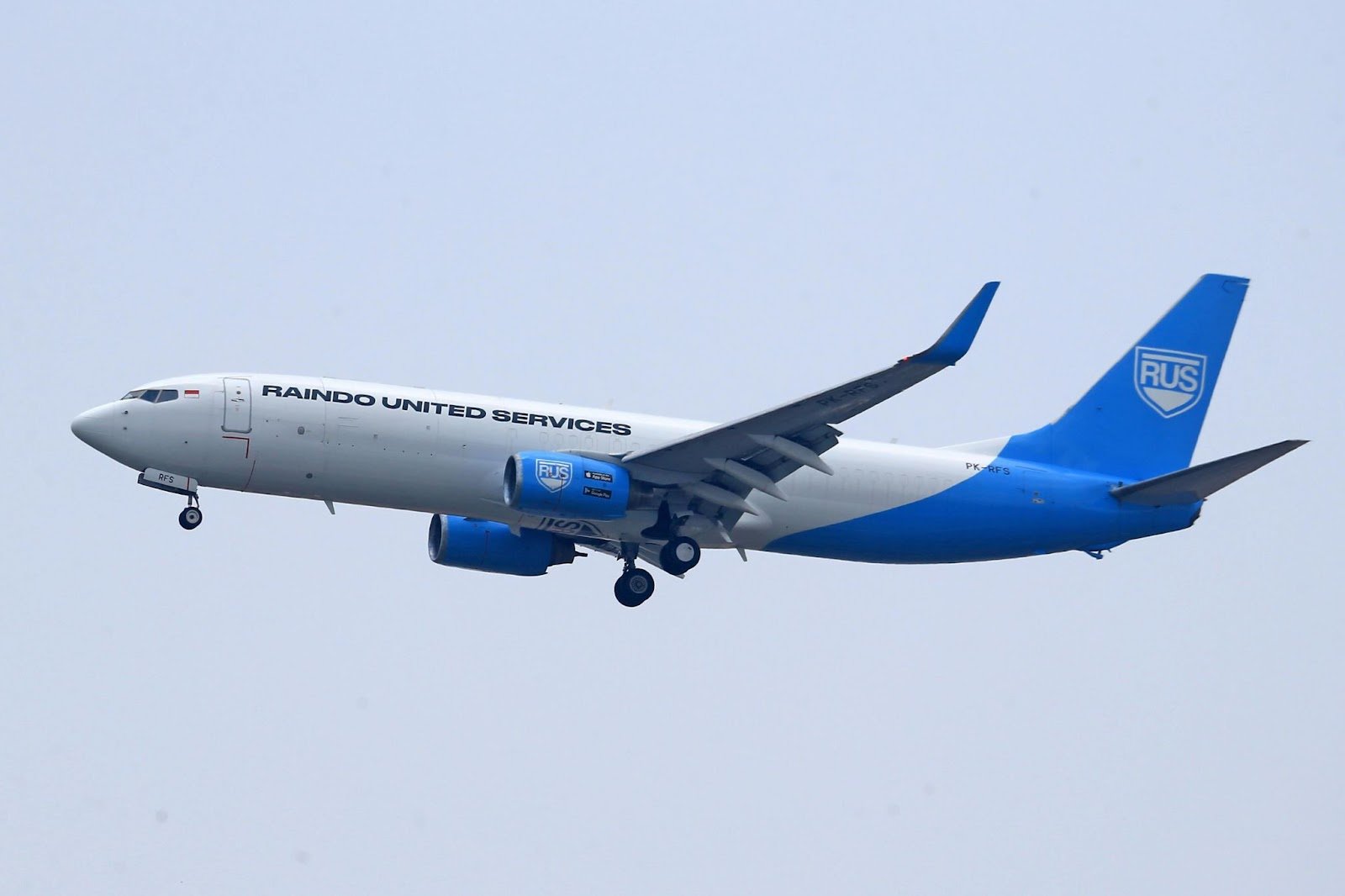
The Boeing 737 is a household name in aviation. This narrow-body, twin-engine jet airliner has been a mainstay of commercial aviation for decades. Produced by Boeing Commercial Airplanes, the 737 has evolved through numerous variants, each offering enhanced capabilities and passenger comfort.
A History of Success
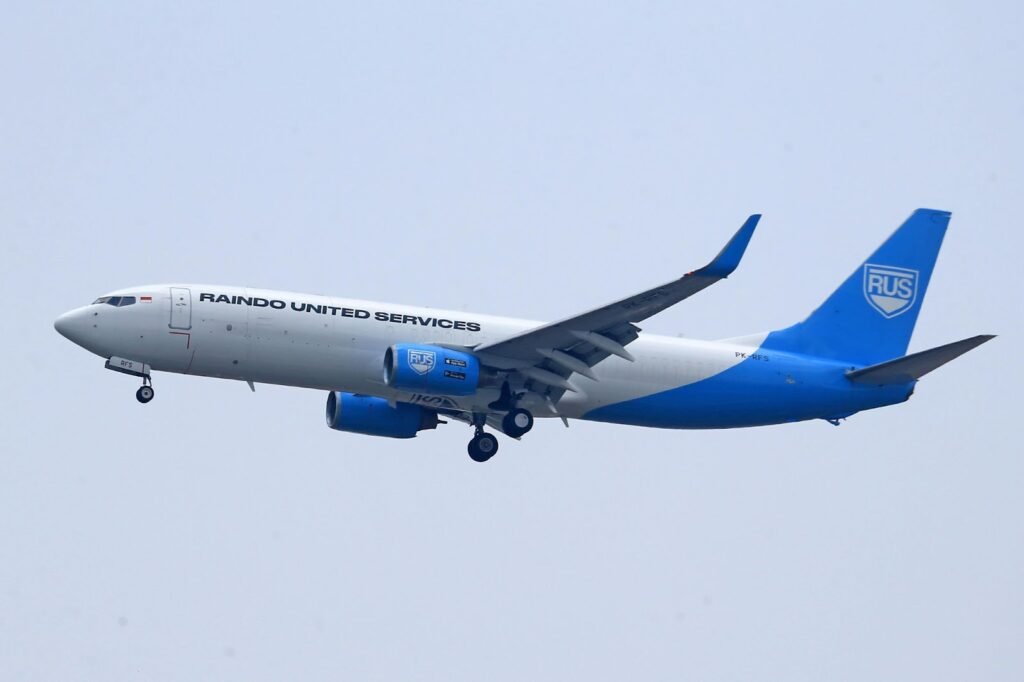
The journey of the Boeing 737 began in the mid-1960s when Boeing launched the program to compete with the Douglas DC-9. The first 737-100 took its maiden flight in 1967. Over the years, Boeing introduced various models to cater to different market segments. From the shorter-range 737-200 to the longer-range 737-900, the family expanded to accommodate diverse airline needs.
The Boeing 737 MAX: A Controversial Chapter
One of the most significant and controversial chapters in the Boeing 737 saga is the 737 MAX. Introduced as a more fuel-efficient and technologically advanced version, the MAX faced a catastrophic setback following two fatal crashes in 2018 and 2019. The incidents led to the worldwide grounding of the aircraft, sparking intense scrutiny of Boeing’s development and certification processes.
After extensive modifications and rigorous recertification, the 737 MAX returned to service in late 2020. However, the shadow of the crashes continues to linger, and the airline industry is grappling with the implications of the crisis.
The 737’s Dominance
Despite the 737 MAX crisis, the overall Boeing 737 family remains an unparalleled success. Its popularity stems from several factors:
- Efficiency: The 737 is renowned for its fuel efficiency, making it a cost-effective choice for airlines.
- Reliability: With a proven track record of millions of flight hours, the 737 is considered highly reliable.
- Flexibility: The various models within the 737 family offer airlines flexibility in terms of range, capacity, and operating costs.
- Passenger Comfort: While not known for its spaciousness, the 737 provides a comfortable passenger experience.
The Future of the Boeing 737
As the aviation industry evolves, Boeing continues to invest in the 737 program. The company is exploring ways to further enhance the aircraft’s efficiency and environmental performance. Additionally, there’s speculation about potential new variants or even a clean-sheet replacement in the future.
The Boeing 737 MAX: A Closer Look
The Boeing 737 MAX, while shrouded in controversy, represents a significant leap in technology for the 737 family. Its development was driven by the need for improved fuel efficiency and operational costs. Key features of the MAX include:
New Engines: Equipped with CFM International LEAP-1B engines, the MAX offered better fuel efficiency and reduced noise emissions.
Advanced Technology: Incorporating new flight control systems and avionics, the MAX promised enhanced safety and performance.
- MCAS: The Maneuvering Characteristics Augmentation System (MCAS) was a new flight control software designed to prevent stalls. However, its design and operation became the focal point of the investigations following the two fatal crashes.
The accidents involving Lion Air Flight 610 and Ethiopian Airlines Flight 302 exposed critical flaws in the development and certification process of the MAX. The subsequent grounding and rigorous recertification process highlighted the importance of thorough safety assessments and transparent communication between regulators, manufacturers, and airlines.
The Impact of the 737 MAX Crisis
The 737 MAX crisis had far-reaching consequences for Boeing, the aviation industry, and the traveling public. Key impacts include:
- Financial Loss: Boeing suffered significant financial losses due to the grounding, compensation claims, and production delays.
- Damage to Reputation: The company’s reputation was severely tarnished, impacting trust among airlines, regulators, and passengers.
- Industry-Wide Scrutiny: The crisis led to increased scrutiny of aircraft certification processes and safety standards across the industry.
- Passenger Confidence: The accidents eroded public confidence in air travel, leading to a temporary decline in passenger numbers.

FAQs: TUI Boeing 737
General Questions About TUI Boeing 737
What types of Boeing 737 does TUI operate?
TUI operates various Boeing 737 models, including the popular Boeing 737 MAX. This newer model is known for its fuel efficiency, quieter engines, and improved passenger comfort.
Are TUI’s Boeing 737 safe?
Absolutely. Aviation safety is a top priority for all airlines, including TUI. The Boeing 737, and specifically the 737 MAX, has undergone rigorous testing and certification to ensure passenger safety.
What is the difference between a Boeing 737 and a Boeing 737 MAX?
The Boeing 737 MAX is a newer, more fuel-efficient version of the classic 737. It features updated engines, improved aerodynamics, and advanced systems for enhanced safety and performance.
When did TUI start using the Boeing 737 MAX?
TUI resumed operations with the Boeing 737 MAX in February 2021 following extensive safety checks and regulatory approval.
Passenger Experience on TUI Boeing 737
What is the seating configuration on a TUI Boeing 737?
The seating configuration can vary depending on the specific aircraft model and route. However, TUI generally offers a comfortable layout with both economy and premium economy options.
Are there charging points on TUI Boeing 737s?
Yes, most TUI Boeing 737s have charging points available for passengers. These are usually located near the seats.
What amenities are available on TUI Boeing 737 flights?
Amenities can vary based on the flight duration and route. Typically, TUI offers in-flight entertainment, food and beverage services, and comfortable seating.
Is the Boeing 737 MAX safe?
Yes, the Boeing 737 MAX is safe. Following the grounding of the aircraft in 2019 due to two fatal accidents, extensive modifications and additional safety measures were implemented. The aircraft underwent rigorous recertification before returning to service.
What safety measures have been implemented on the Boeing 737 MAX?
Several safety enhancements have been made to the Boeing 737 MAX, including updates to the flight control system, mandatory pilot training, and enhanced crew procedures.

Conclusion
The Boeing 737 has undoubtedly shaped the landscape of commercial aviation. From its humble beginnings to becoming one of the most successful aircraft ever built, the 737 has witnessed remarkable growth and evolution. The legacy of the plane as a whole is not impacted by the 737 MAX issue.
To read more, click here.