
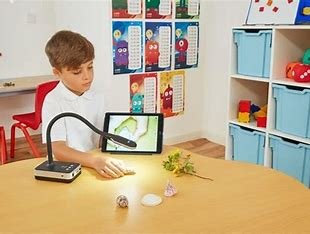
Visualizers, a cornerstone of modern technology, have revolutionised the way we interact with data and information. From simple charts and graphs to immersive 3D models, visualizers offer a powerful tool for understanding complex concepts and making informed decisions.
What is a Visualizer?
A visualizer is a software or hardware tool that converts data into visual representations. By transforming abstract information into tangible images, visualizers help us perceive patterns, identify trends, and gain insights that might otherwise be difficult to discern.
Types of Visualizers
Data Visualization Tools:
These tools are designed to represent data in a visual format, such as charts, graphs, and maps. Examples include Tableau, Power BI, and Google Data Studio.
3D Modeling Software:
Used to create and manipulate three-dimensional objects, 3D modelling software is essential for fields like architecture, engineering, and game development. Popular options include Blender, AutoCAD, and Maya.
Augmented Reality (AR) and Virtual Reality (VR) Platforms:
AR overlays digital information onto the real world, while VR creates fully immersive digital environments. These technologies are used for gaming, training, and education.
Benefits of Visualizers
Enhanced Understanding:
Visualizers make complex information easier to comprehend by presenting it in a visually appealing and intuitive way.
Improved Decision-Making:
By visualising data, we can identify trends, patterns, and anomalies that might be missed in raw data. This information can help us make more informed decisions.
Effective Communication:
Visualizers can be used to communicate ideas and concepts clearly and concisely, even to audiences with limited technical knowledge.
Increased Engagement:
Visualizers can make learning and information consumption more engaging and interactive, leading to better retention and understanding.

Applications of Visualizers
Business and Finance:
Visualizers are used to analyse market trends, track sales performance, and forecast future outcomes.
Science and Research:
Scientists use visualizers to study data from experiments, analyse biological structures, and visualise complex mathematical concepts.
Engineering and Design:
Engineers and designers use visualizers to create product prototypes, simulate physical processes, and collaborate on projects.
Education and Training:
Visualizers can be used to create interactive learning experiences, simulate real-world scenarios, and provide hands-on training.
The Future of Visualizers
As technology continues to advance, we can expect visualizers to become even more sophisticated and versatile. New techniques, such as artificial intelligence and machine learning, will enable visualizers to automatically analyse data and generate insights. Additionally, advancements in hardware, such as high-resolution displays and VR headsets, will provide more immersive and realistic visual experiences.
Advanced Visualization Techniques
As visualizers evolve, so too do the techniques used to create them. Here are a few advanced methods:
Interactive Visualisations:
These visualisations allow users to interact with the data, such as zooming, panning, and filtering. This provides a more personalised and engaging experience.
Data Storytelling:
Visualizers can be used to create compelling narratives around data. By combining visuals with text and other elements, data storytelling can help audiences understand complex concepts and make connections.
3D Visualisation:
While 3D modelling has been around for some time, advancements in hardware and software have made it easier to create and interact with 3D visualisations. These can be used to represent spatial data, such as geographical information or molecular structures.
Virtual Reality (VR) and Augmented Reality (AR):
VR and AR technologies offer immersive experiences that can enhance data visualisation. For example, users can explore data sets in a virtual environment or overlay data onto the real world.

Emerging Trends in Visualization
The field of visualisation is constantly evolving, with new trends emerging all the time. Some of the most promising trends include:
AI-Driven Visualization:
Artificial intelligence can be used to automate the process of creating visualisations, as well as to extract insights from data.
Data Visualization for Accessibility:
Ensuring that visualisations are accessible to people with disabilities is becoming increasingly important. Techniques such as alternative text and colour contrast can help to make visualisations more inclusive.
Ethical Considerations in Visualization:
As visualizers become more powerful, it’s important to consider the ethical implications of their use. For example, visualisations can be misused to manipulate or mislead people.
In Summary:
Visualizers have come a long way since their early days. Today, they are used in a wide range of fields to help people understand complex information and make informed decisions. As technology continues to advance, we can expect to see even more innovative and powerful visualisation techniques emerging in the years to come.
FAQS:
What is a visualizer?
A: A visualizer is a software or hardware tool that converts data into visual representations, such as charts, graphs, or 3D models.
What are the benefits of using a visualizer?
A: Visualizers can help you:
Understand complex data more easily.
Identify patterns and trends in data.
Communicate information effectively.
Make better decisions.
What are some common types of visualizers?
A: Data visualisation tools (e.g., Tableau, Power BI)
3D modelling software (e.g., Blender, AutoCAD)
Augmented reality (AR) and virtual reality (VR) platforms
What types of data can be visualised?
A: Visualizers can be used to visualise a wide range of data, including numerical data, categorical data, and spatial data.
What are some common visualisation techniques?
A: Charts and graphs (e.g., bar charts, line charts, pie charts)
Maps
3D models
Infographics
How do I choose the right visualisation tool for my needs?
A: Consider factors such as the type of data you need to visualise, the level of complexity, and your budget.
How are visualizers used in healthcare?
A: Visualizers can be used to analyse medical data, such as patient records and medical images, to identify trends and improve patient care.
How are visualizers used in finance?
A: Visualizers can be used to analyse financial data, such as stock prices and market trends, to make informed investment decisions.
How are visualizers used in marketing?
A: Visualizers can be used to analyse marketing data, such as customer behaviour and social media trends, to optimise marketing campaigns.
What is data storytelling, and how is it used in visualisation?
A: Data storytelling is the practice of using visuals to create a narrative around data. It involves combining visuals with text and other elements to tell a compelling story.
To read more, click here