
In the rich tapestry of Greek mythology, Zagreus stands as a figure of profound significance, embodying themes of death, rebirth, and the cyclical nature of existence. This enigmatic deity, often intertwined with the god Dionysus, holds a central place within Orphic theology, a mystical tradition that flourished in ancient Greece.
The Birth and Tragic Fate of Zagreus
The Orphic myths paint a vivid picture of Zagreus’s origins. He is typically depicted as the son of Zeus, the king of the gods, and Persephone, the queen of the underworld.3 This divine parentage grants Zagreus an extraordinary status, making him a powerful and unique being.
However, Zagreus’s life is tragically short-lived. Jealous of Zeus’s favor towards this child, Hera, the queen of the gods, instigates the Titans, primordial beings of immense power, to attack and dismember the young god. The Titans, driven by Hera’s influence, tear Zagreus apart and consume his flesh, leaving only his heart intact.
Rebirth and the Rise of Dionysus
Despite this horrific act, Zagreus is not entirely destroyed. Athena, the goddess of wisdom and warfare, manages to save the infant god’s heart, which is then consumed by Zeus. From this act of divine consumption, Dionysus is born.
This myth highlights the cyclical nature of life and death, a central theme in Orphic beliefs. Zagreus, in essence, dies and is reborn, his essence merging with Zeus and giving rise to Dionysus. This concept of rebirth and transformation is deeply embedded in Orphic cosmology.
Zagreus and Dionysus: A Complex Relationship
The relationship between Zagreus and Dionysus is complex and multifaceted. In some interpretations, Zagreus is considered an earlier, more primordial form of Dionysus. Other interpretations suggest that Zagreus and Dionysus are distinct entities, with Zagreus representing an earlier, more chthonic (underworld) aspect of the god of wine.
Regardless of their specific relationship, both deities share certain characteristics:
Association with the Underworld: Both Zagreus and Dionysus have strong connections to the underworld. Zagreus, being the son of Persephone, naturally possesses this association. Dionysus, too, experiences a descent into the underworld as part of his mythological journey.
Dionysian Characteristics: Both deities are associated with ecstatic experiences, revelry, and the release of inhibitions. They embody the wild, untamed aspects of human existence.
Transformation and Rebirth: The myth of Zagreus’s dismemberment and rebirth underscores the cyclical nature of existence, a theme that resonates deeply with Dionysian rituals and beliefs.
Zagreus in Art and Literature
While Zagreus may not be as widely known as some of the other major Greek deities, his influence can be seen in various forms of art and literature:
Orphic Mysteries: The Orphic mysteries, a series of religious rituals and initiations, played a significant role in ancient Greek society. These mysteries likely incorporated elements of the Zagreus myth, exploring themes of death, rebirth, and the journey of the soul.
Art and Iconography: Depictions of Zagreus can be found in various forms of ancient Greek art, including vase paintings, sculptures, and mosaics. These depictions often emphasize his connection to the underworld and his Dionysian attributes.
Modern Interpretations: In modern times, Zagreus has continued to inspire artists, writers, and musicians. He has explored various forms of contemporary art, including literature, music, and visual arts.
Zagreus in Modern Culture
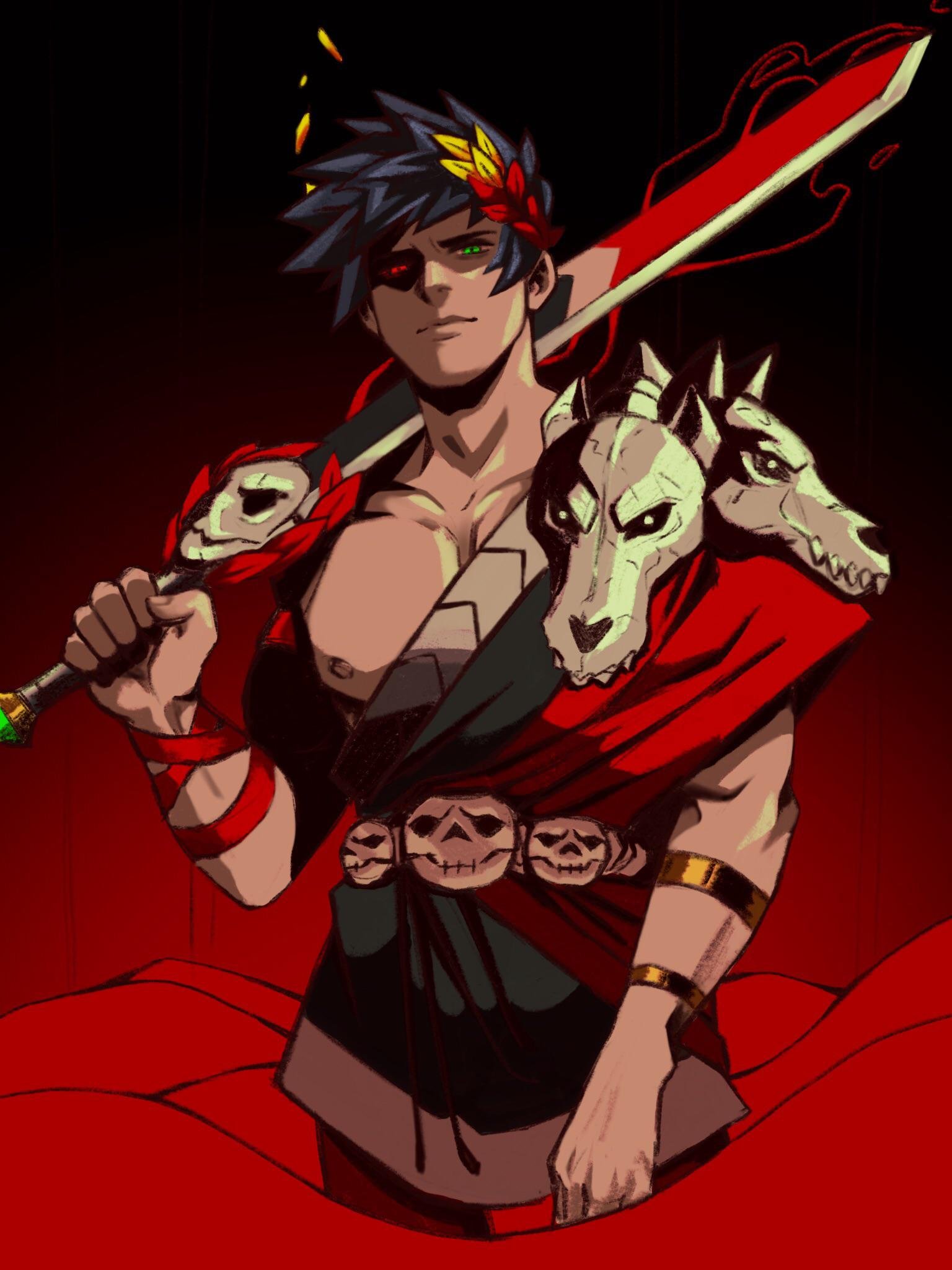
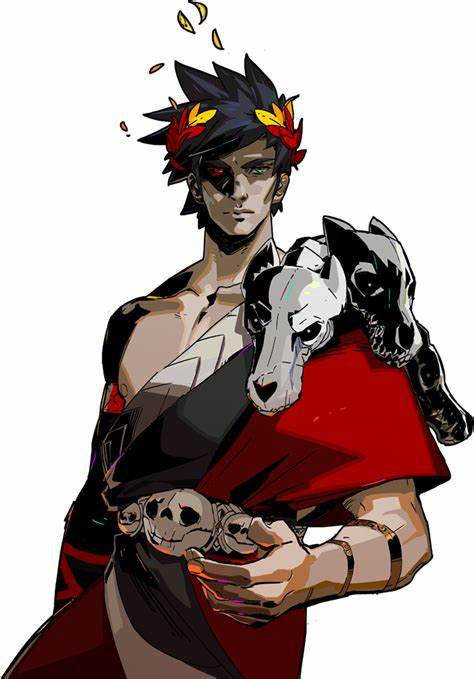
In recent years, Zagreus stands as a figure has gained renewed attention thanks to the video game “Hades,” developed by Supergiant Games. This critically acclaimed game reimagines the myth of Zagreus, portraying him as the son of Hades, the god of the underworld, who is attempting to escape his father’s domain. “Hades” has not only introduced Zagreus to a wider audience but also provided a fresh and engaging perspective on this complex and fascinating figure from Greek mythology.
The Orphic Connection
Zagreus plays a pivotal role in Orphic theology, a mystical tradition that flourished in ancient Greece. Orphism emphasized the soul’s journey after death and the possibility of achieving liberation from the cycle of rebirth.
Orphic Mysteries: The Orphic mysteries were a series of religious rituals and initiations that promised purification and salvation for the soul. These mysteries likely incorporated elements of the Zagreus myth, exploring themes of death, rebirth, and the journey of the soul through the underworld.
Cosmology: Orphic cosmology differed significantly from the more widely known Olympian system. It emphasized the cyclical nature of existence, with the universe undergoing repeated cycles of creation and destruction. Zagreus, as the child of Zeus and Persephone, represented the union of heaven and earth, embodying the primal forces of creation.
Final Thoughts
Zagreus, stands as a figure despite his tragic fate, remains a powerful and enigmatic figure in Greek mythology. His story embodies profound themes of death, rebirth, and the cyclical nature of existence. His connection to Dionysus highlights the interconnectedness of the divine and the human experience. As we continue to explore the rich tapestry of Greek mythology, Zagreus serves as a reminder of the enduring power of myth to inspire, challenge, and illuminate the human condition.
FAQs
What are the different interpretations of Zagreus’s relationship with Dionysus?
The relationship between Zagreus stands as a figure and Dionysus is a subject of ongoing debate among scholars. Some interpretations view Zagreus as a proto-Dionysus, suggesting that Dionysus evolved over time, incorporating elements of Zagreus’s mythology. Other interpretations consider them distinct entities, with Zagreus standa as representing a more chthonic (underworld) aspect of the god of wine. Another perspective suggests that Zagreus was an earlier incarnation of Dionysus, who was reborn after his tragic dismemberment, highlighting the cyclical nature of existence and the concept of rebirth in Orphic theology.
What are the key symbols associated with Zagreus?
Zagreus is often associated with symbols reflecting his connection to the underworld and his chthonic nature. The serpent is a prominent symbol, representing his connection to the earth and the forces of the underworld. In some myths, Zagreus is depicted as a bull, further emphasizing his connection to the animal world and the raw, untamed forces of nature. The thyrsus, a staff often adorned with ivy and a pine cone, is a common symbol of Dionysus. As Zagreus is closely associated with Dionysus, the thyrsus can also be seen as a symbol of Zagreus stands as a figure in some interpretations.
How has the interpretation of the Zagreus myth evolved over time?
The interpretation of the Zagreus myth has undergone significant shifts over time. Early interpretations often focused on the literal aspects of the myth, emphasizing the violence and tragedy of Zagreus’s dismemberment. Later interpretations, particularly within the context of Orphic theology, explored deeper philosophical and spiritual meanings, focusing on themes such as death, rebirth, and the journey of the soul.
To read more, Click Here