
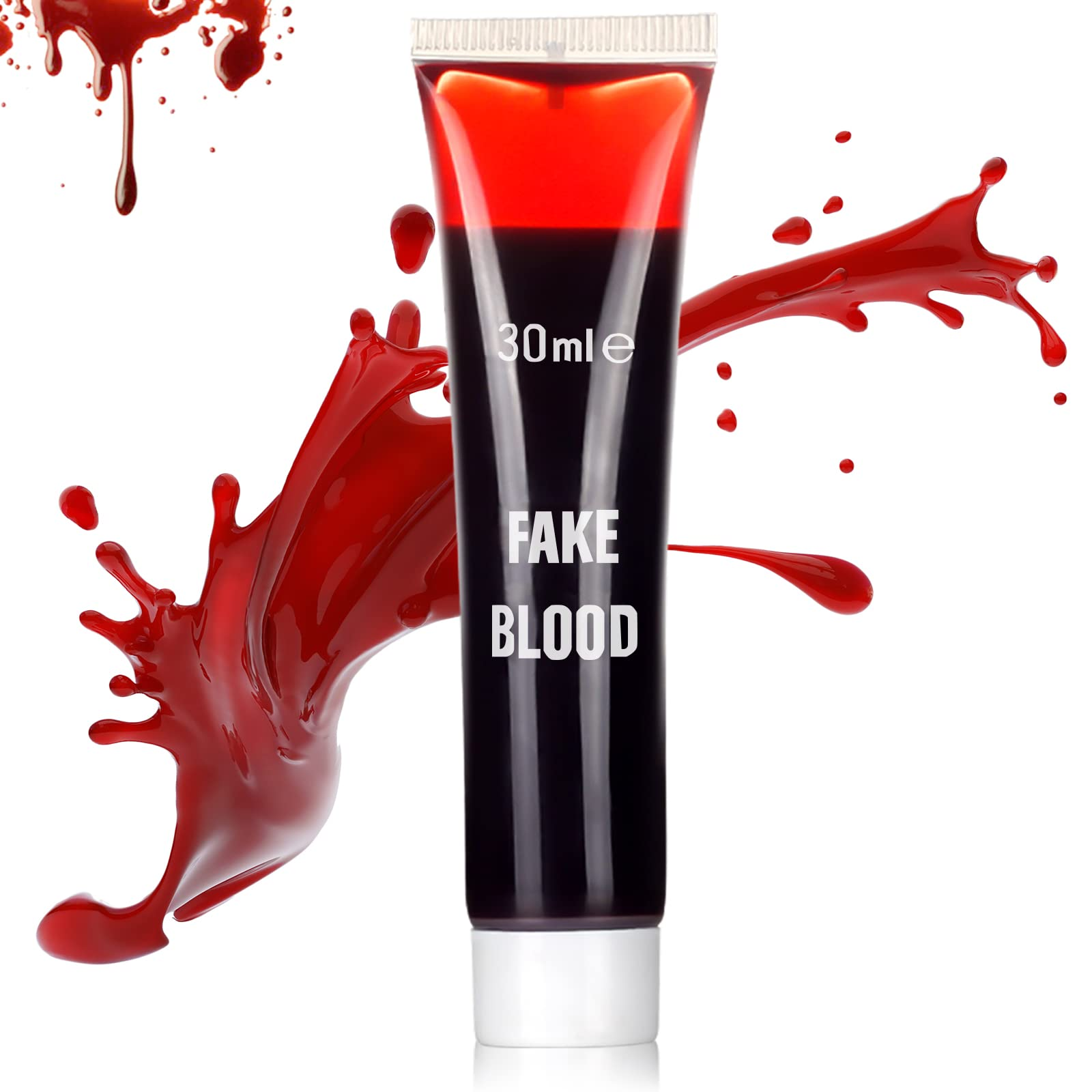
Fake blood, once a staple of Halloween parties and horror movies, has evolved into a versatile tool used in a variety of industries and creative pursuits. From the film industry to the medical field, fake blood has found its place in numerous applications. Let’s delve into the world of this crimson concoction, exploring its history, composition, and diverse uses.

A Brief History of Fake Blood
While the desire to mimic blood for dramatic effect has likely existed for centuries, the modern era of fake blood began to take shape in the early days of cinema. Early filmmakers experimented with various substances, from red wine to beet juice, to simulate blood. However, these early attempts often fell short in terms of realism and durability.
The development of more sophisticated fake blood formulas came about with the advancements in the special effects industry. As filmmakers sought to create increasingly realistic and gruesome scenes, chemists and makeup artists worked tirelessly to develop products that could withstand the demands of production.
The Science Behind Fake Blood
Fake blood is essentially a suspension of pigments in a liquid base. The key to creating realistic fake blood lies in achieving the correct color, consistency, and texture.
Color: Achieving the right shade of red is crucial. Most fake blood formulas combine red food coloring with blue and brown to mimic the natural variations in human blood.
Consistency: The thickness of fake blood can vary depending on the desired effect. Thinner formulas are ideal for dripping and spurting effects, while thicker formulas create a more clot-like appearance.
Texture: To enhance realism, many fake blood formulas incorporate ingredients that give the blood a glossy or sticky texture. Corn syrup is a common ingredient used to achieve this effect.
While the basic components of fake blood remain relatively simple, the specific formulas used can vary widely depending on the intended use. For example, fake blood used in film and television may require additional ingredients to ensure it is safe for actors and easy to clean up.
Types of Fake Blood
Fake blood comes in various types, each with its own unique properties:
Liquid Fake Blood: This is the most common type of fake blood, used for dripping, spurting, and pooling effects. It typically has a thin to medium consistency.
Thick Fake Blood: This type of fake blood is thicker and more viscous, ideal for creating clots or wounds that appear more realistic.
Stage Blood: Designed for theatrical use, stage blood is often brighter and more vibrant than film-grade blood.
Medical Simulation Blood: Used in medical training and simulations, this type of fake blood is often formulated to mimic the appearance and properties of real blood.
Beyond the Screen: Real-World Applications
While fake blood is most commonly associated with the entertainment industry, it has found applications in various other fields:
Medical Training: Fake blood is used in medical schools and training facilities to simulate realistic surgical procedures and emergency scenarios.
Forensic Science: Law enforcement agencies use fake blood to train crime scene investigators and to create mock crime scenes for training purposes.
Cosplay and Theater: Fake blood is essential for creating realistic costumes and makeup for cosplay and theatrical performances.
Halloween and Special Events: Fake blood is a popular ingredient for Halloween decorations, costumes, and special effects.
Making Your Own Fake Blood
Creating your own fake blood can be a fun and rewarding project. There are countless recipes available online, but here’s a basic one to get you started:
Ingredients:
Corn syrup
Red food coloring
Blue food coloring
Brown food coloring
Water
Dish soap
Instructions:
Combine corn syrup, water, and dish soap in a bowl.
Add red food coloring and a small amount of blue and brown food coloring to achieve the desired shade.
Adjust the consistency by adding more corn syrup or water as needed.
Safety Precautions
While fake blood is generally safe, it’s important to take precautions when using it. If you have allergies or sensitivities to any of the ingredients, it’s best to avoid using fake blood.

FAQs
What is Fake Blood?
Fake blood is a substance used to simulate real blood for various purposes, including theater, film, television, photography, and Halloween costumes. It is typically made from a combination of ingredients like corn syrup, food coloring, and other non-toxic substances.
How is Fake Blood Made?
There are countless recipes for fake blood, but most involve a base of corn syrup or glycerin for texture, food coloring for color, and sometimes other ingredients like chocolate syrup or red velvet cake mix for depth. The proportions and specific ingredients can vary depending on the desired consistency and appearance.
Is Fake Blood Safe?
Most fake blood recipes use non-toxic ingredients, making them safe for external use. However, it’s essential to avoid ingesting fake blood and to test it on a small area of skin before applying it liberally, especially if you have sensitive skin.
How to Apply Fake Blood?
The application method depends on the desired effect. For wounds, apply a base of latex or spirit gum, then add the fake blood and for blood splatter, use a sponge or brush to create the desired pattern. For dripping effects, carefully apply the blood to the desired area and let it drip naturally.
How to Remove Fake Blood?
For stubborn stains, you may need to use a gentle makeup remover or a mixture of water and vinegar. Always test the removal method on a small area first.
Can I Eat Fake Blood?
No, fake blood is not meant for consumption. It contains ingredients that are not safe to ingest.
Where Can I Buy Fake Blood?
Fake blood is available at many costume shops, party supply stores, and online retailers. You can also find various recipes online to make your own fake blood at home.
Is There a Difference Between Stage Blood and Movie Blood?
While the basic ingredients are similar, stage blood and movie blood may differ in terms of consistency, color, and durability. Stage blood is often thicker and more visible under stage lights, while movie blood is designed to look realistic on camera.
How Long Does Fake Blood Last?
The shelf life of fake blood depends on the ingredients and storage conditions. Homemade fake blood may not last as long as commercially produced fake blood. Store fake blood in a cool, dark place to prolong its life.
To read more, Click Here