
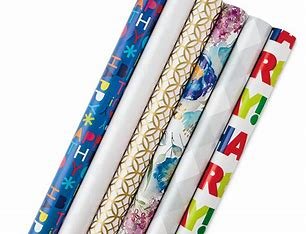
Wrapping paper, as we know it today, has a relatively recent history. While ancient cultures used various materials to package gifts, the practice of using decorative paper specifically for this purpose didn’t become widespread until the 19th century. With the rise of consumerism and the industrial revolution, mass-produced wrapping paper became more accessible.
The Evolution of Wrapping Paper
Over the years, wrapping paper has evolved to reflect changing trends and cultural preferences. From simple, plain paper to intricate patterns and designs, wrapping paper has become a form of artistic expression. Early designs often featured floral motifs and geometric patterns. Today, wrapping paper can be found in a vast array of styles, from minimalist to extravagant.
The Importance of Quality Wrapping Paper
The quality of wrapping paper can significantly impact the overall presentation of a gift. High-quality paper is often thicker and more durable, ensuring that it doesn’t tear or rip easily. Additionally, good-quality paper is typically printed with vibrant colours and detailed patterns that won’t fade over time.
Choosing the Right Wrapping Paper
Selecting the appropriate wrapping paper depends on several factors, including the occasion, the recipient’s personality, and the gift itself. For formal occasions like weddings or anniversaries, a classic, elegant wrapping paper is often suitable. For more casual gifts, a playful or humorous pattern might be appropriate.

Creative Wrapping Techniques
Beyond simply wrapping a gift, there are numerous creative techniques that can elevate the presentation. Consider adding bows, ribbons, or tags for a personalised touch. Experiment with different folding techniques, or even incorporate natural elements like leaves or flowers.
Sustainable Wrapping Options
In recent years, there has been a growing emphasis on sustainability. Fortunately, there are many eco-friendly options available, including recycled paper, biodegradable materials, and reusable wrapping cloths. By choosing sustainable wrapping materials, you can reduce your environmental impact while still creating beautiful presentations.
Wrapping Paper Storage Tips
Proper storage is essential for preserving the quality of wrapping paper. Store rolls in a cool, dry place, away from direct sunlight and moisture. Consider using a wrapping paper organiser or a dedicated storage space to keep your collection neat and tidy.
Additional Tips for Wrapping Paper Perfection
Consider the Gift’s Shape:
For irregular shapes:
Use tissue paper as a cushion before wrapping.
For small items:
Wrap them individually in tissue paper before combining them into a larger package.

Master the Art of Ribbon:
Create bows:
There are various techniques for tying bows, from simple to intricate.
Use ribbon creatively:
Incorporate ribbon into your design by creating streamers, loops, or even a ribbon “belt” around the gift.
Personalise with Tags:
Handmade tags:
Create unique tags using paper, cardstock, or even fabric scraps.
Digital tags:
Print out digital tags and customise them with your own message.
Explore Alternative Materials:
Fabric:
Use fabric scraps to wrap gifts, especially for a rustic or bohemian aesthetic.
Newspaper:
Give your gifts a vintage look by wrapping them in old newspapers.
Brown paper bags:
For a minimalist and eco-friendly approach, use brown paper bags as wrapping.
Practice Makes Perfect:
Experiment with different techniques:
Don’t be afraid to try new things.
Watch tutorials:
There are countless online tutorials that can help you improve your rapping skills.
Extra Tips for Wrapping Paper Enthusiasts
Themed Wrapping:
Match the occasion:
Choose wrapping paper that complements the theme of the event (e.g., holiday-themed, birthday-themed).
Coordinate with decorations:
Ensure the wrapping paper matches the overall aesthetic of your decorations.
Layering and Texture:
Add depth:
Layer different types of wrapping paper or combine paper with fabric for a textured look.
Use embellishments:
Incorporate elements like glitter, sequins, or stickers to add texture and visual interest.
DIY Wrapping Paper:
Create your own:
Design and print your own wrapping paper using a home printer or online tools.
Use natural materials:
Create eco-friendly wrapping paper using materials like leaves, flowers, or fabric scraps.
Consider the Gift’s Size:
Avoid excess paper:
Use the right amount of wrapping paper to avoid waste.
For large gifts:
Consider using a box or a reusable gift bag.
Wrapping Paper Storage:
Organise your collection:
Store wrapping paper in a designated area to keep it organised and easily accessible.
Protect from damage:
Store paper rolls in a cool, dry place, away from direct sunlight and moisture.

In Summary:
Wrapping paper, a simple yet versatile material, has evolved from a functional necessity to a form of artistic expression. From traditional designs to modern trends, wrapping paper offers endless possibilities for creating beautiful and personalised gift presentations. By understanding the history, techniques, and sustainable options available, you can elevate your gift-giving experience and make each present truly memorable.
FAQS:
What is the best type of wrappingg paper to use for a gift?
A: The best type of wrappingg paper depends on the occasion, the recipient, and the gift itself. Consider factors like the gift’s size, shape, and the overall aesthetic you want to achieve.
How do I choose the right size of wrappingg paper?
A: Measure the length and width of your gift, then add a few inches on each side for overlap. It’s always better to have a little extra paper than not enough.
Can I reuse wrappingg paper?
A: Yes, you can reuse wrappingg paper if it’s in good condition. However, it’s important to ensure that it’s clean and free of any damage before using it again.
How can I create a unique and personalised gift presentation?
A: There are many ways to personalise your gift presentation, including adding bows, ribbons, or tags. You can also experiment with different folding techniques or incorporate natural elements like leaves or flowers.
What are some alternative materials I can use for wrappingg gifts?
A: Besides wrappingg paper, you can use fabric, newspaper, brown paper bags, or even reusable gift bags. These alternatives can add a unique touch to your gift presentation.
Are there eco-friendly options for wrappingg paper?
A: Yes, there are many eco-friendly options available, including recycled paper, biodegradable materials, and reusable wrappingg cloths. By choosing sustainable materials, you can reduce your environmental impact.
How can I reduce waste when wrappingg gifts?
A: Avoid using excessive wrappingg paper, and consider using reusable materials or creative techniques that minimise waste.
To read more, click here