
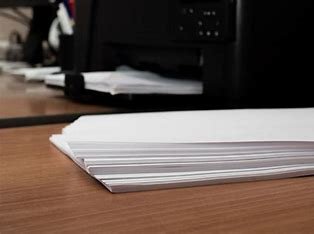
In the age of digital screens and cloud storage, it might seem like printer paper is a relic of the past. However, despite the advancements in technology, printer paper continues to play a vital role in our daily lives. From school assignments to important business documents, printer paper is the foundation upon which many of our written communications are built.
Types of Printer Paper
There are several types of printer paper available, each with its own unique characteristics and uses.
Standard Copy Paper:
This is the most common type of printer paper, used for general printing tasks such as documents, reports, and presentations. It is typically made from wood pulp and is available in various weights and finishes.
Laser Printer Paper:
Designed specifically for laser printers, this paper has a special coating that helps to prevent toner from smudging or fading. It is often thicker and more durable than standard copy paper.
Inkjet Printer Paper:
Optimised for inkjet printers, this paper is coated with a special material that absorbs ink quickly and evenly. It is available in a variety of finishes, including glossy, matte, and photo paper.
Specialty Paper:
This category includes a wide range of papers with unique properties, such as recycled paper, coloured paper, and paper with textured finishes.
Choosing the Right Printer Paper
When selecting printer paper, it is important to consider the following factors:
Printer Type:
Ensure that the paper is compatible with your printer.
Paper Weight:
The weight of the paper determines its thickness and durability. Heavier paper is often used for documents that need to be more durable.
Paper Finish:
The finish of the paper can affect its appearance and feel. Glossy paper is often used for photos, while matte paper is more suitable for text-based documents.
Paper Size:
Choose the paper size that is appropriate for your printer and the documents you are printing.

Environmental Considerations
In recent years, there has been a growing emphasis on environmental sustainability. Many people are choosing to use recycled printer paper or paper that is certified by organisations such as the Forest Stewardship Council (FSC). These certifications ensure that the paper is produced in an environmentally responsible manner.
Beyond the Basics: Specialty Printer Papers
While standard copy paper is a staple in most offices and homes, there’s a world of specialty printer papers that can elevate your projects. Here are a few examples:
Cardstock:
Ideal for creating sturdy items like business cards, invitations, and tags. It comes in various weights and finishes.
Photo Paper:
Designed for high-quality photo prints. Available in glossy, matte, and lustre finishes.
Watercolor Paper:
Used for watercolour painting, but can also be used for printing unique textures and effects.
Tissue Paper:
Perfect for delicate projects like scrapbooking and gift wrapping.
Paper Storage and Care
Proper storage and care of printer paper can help maintain its quality and prevent damage.
Store in a Cool, Dry Place:
Avoid storing paper in humid or excessively hot environments.
Keep Flat:
Store paper flat to prevent warping.
Protect from Light:
Direct sunlight can cause paper to fade.
DIY Paper Projects
Printer paper isn’t just for printing documents. It can be used for a variety of creative projects:
Paper Crafts:
Make origami, paper aeroplanes, or paper flowers.
Paper Quilling:
Create intricate designs by rolling and shaping strips of paper.
Paper Masks:
Design and create unique masks for parties or costumes.

The Future of Printer Paper
As technology continues to advance, it’s possible that printer paper may become less prevalent. However, there’s still a demand for physical copies of documents, especially for legal, educational, and archival purposes. Additionally, the tactile experience of holding a printed document can be valuable in certain contexts.
The Science Behind Paper Production
The process of making paper involves several steps:
Pulping:
Wood chips are broken down into a slurry of fibres using mechanical or chemical processes.
Screening:
The pulp is filtered to remove impurities like dirt and bark.
Forming:
The pulp is spread onto a mesh screen and water is removed to form a sheet of paper.
Drying:
The paper is dried using heat and pressure.
Finishing:
The paper may be coated, calendered, or cut to size.
The Environmental Impact of Paper Production
While paper is a renewable resource, its production can have a significant environmental impact, particularly in terms of deforestation and water pollution. However, many paper companies are now implementing sustainable practices, such as using recycled paper, planting trees, and reducing water consumption.
Paper Recycling
Recycling paper is a great way to reduce waste and conserve resources. When you recycle paper, it is pulped and processed into new paper products. However, it’s important to note that not all paper can be recycled. For example, paper with plastic coatings or laminations cannot be recycled.

In Summary:
Printer paper, while often overlooked, is a versatile and essential material. Understanding the different types of printer paper, its production process, and the environmental implications can help you make informed choices and contribute to a more sustainable future.
FAQS:
What is the difference between laser printer paper and inkjet printer paper?
A: Laser printer paper is coated with a special material that helps to prevent toner from smudging or fading. It is often thicker and more durable than standard copy paper.
Inkjet printer paper is coated with a special material that absorbs ink quickly and evenly. It is available in a variety of finishes, including glossy, matte, and photo paper.
What is the best paper weight for printing documents?
A: The best paper weight for printing documents depends on your specific needs. Heavier paper is often used for documents that need to be more durable, while lighter paper is more suitable for everyday printing tasks.
Can I use recycled paper in my printer?
A: Yes, you can use recycled paper in your printer. However, it is important to ensure that the recycled paper is compatible with your printer and that it is of good quality.
What is cardstock used for?
A: Cardstock is a thicker type of paper that is often used for creating sturdy items such as business cards, invitations, and tags.
To read more, click here