
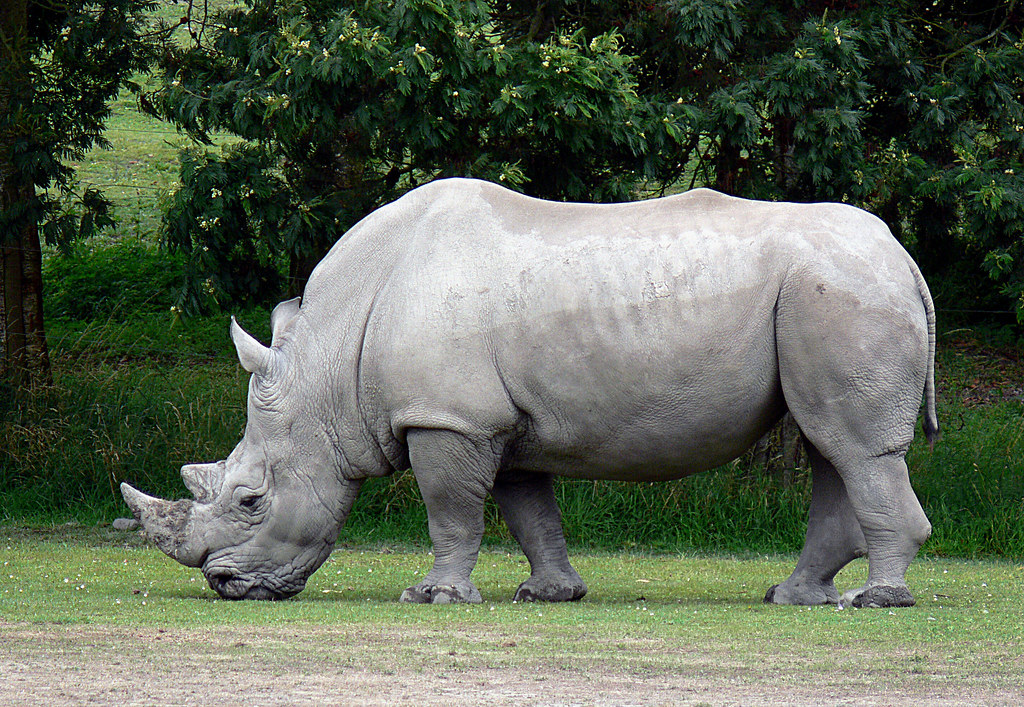
Rhinoceros, or simply “rhinos,” are imposing, herbivorous mammals renowned for their iconic horns. These majestic creatures have roamed the Earth for millions of years, but their populations have plummeted in recent decades due to relentless poaching and the destruction of their habitats. The demand for rhino horns, particularly in Asia, has fueled illegal hunting, pushing many species to the brink of extinction. To preserve these amazing creatures and guarantee their continued existence for future generations, conservation activities are essential.
Physical Characteristics
Rhinoceros are among the largest land mammals on Earth. They have a sturdy build, short legs, and thick, wrinkled skin. One of their most recognizable features is their horns, which are made of keratin, the same material as human hair and nails. There are five species of rhinoceros:
Black rhinoceros: Smaller than the other species, with a pointed upper lip and two horns.
White rhinoceros: The largest land mammal after the elephant, with a square upper lip and two horns.
Indian rhinoceros: Also known as the greater one-horned rhinoceros, it has a single horn and a thick, wrinkled skin.
Sumatran rhinoceros: The smallest rhinoceros species, with two horns and a hairy coat.
Javan rhinoceros: Critically endangered, with a single horn and a thick, wrinkled skin.
Habitat and Diet
Rhinoceros inhabit a diverse range of environments, including grasslands, forests, and swamps. As herbivores, their diet primarily consists of grasses, leaves, twigs, and fruits. The specific composition of their diet can vary significantly based on their habitat and the availability of different food sources. For example, rhinoceros living in grasslands may consume a diet rich in grasses, while those inhabiting forests may rely more heavily on leaves and twigs.
Behavior and Social Structure
Rhinoceros are primarily solitary creatures, often preferring their own company. However, they may congregate at watering holes, mud wallows, or during breeding seasons to socialize or mate. Known for their territorial nature, rhinos can be fiercely aggressive when threatened, using their powerful horns and bulk to defend themselves. Equipped with a keen sense of smell and hearing, these majestic animals rely on their sensory abilities to detect potential predators and locate food sources.
Threats to Rhinoceros
Rhinoceros populations face a multitude of threats, but the most significant are poaching and habitat loss. Poachers relentlessly target rhinos for their horns, which are sought after for medicinal and ornamental purposes in certain cultures. The illegal trade in rhino horns has reached alarming levels, driving many species to the brink of extinction. Additionally, habitat loss due to deforestation, expanding agriculture, and development projects has severely impacted rhinoceros populations, limiting their access to food, water, and suitable breeding grounds. These combined threats pose a grave challenge to the survival of these majestic creatures.
Conservation Efforts
Efforts are underway to protect rhinoceros populations and prevent their extinction. These efforts include:
Anti-poaching measures: This includes increased surveillance, law enforcement, and community involvement.
Habitat protection: Creating protected areas and restoring degraded habitats.
Captive breeding programs: Breeding rhinoceros in zoos and wildlife sanctuaries to increase their numbers.
Community-based conservation: Engaging local communities in conservation efforts.
Despite these efforts, rhinoceros populations continue to decline. It is crucial to take immediate and effective action to protect these majestic creatures and ensure their survival for future generations.
Conclusion
Rhinoceros, majestic and imposing creatures, are integral components of their respective ecosystems. Sadly, their populations are dwindling at an alarming rate due to human activities such as poaching, habitat destruction, and conflict. It is imperative that we take swift and decisive action to safeguard these magnificent animals and ensure their continued existence for generations to come. Conservation efforts, including stricter anti-poaching measures, habitat protection, and public awareness campaigns, are essential to prevent the extinction of rhinoceros species.
FAQs
What is a rhinoceros?
A rhinoceros, or rhino for short, is a large, odd-toed ungulate mammal. They are known for their distinctive horns, which are made of keratin, the same material as human hair and nails.
How many species of rhinoceros are there?
There are five remaining species of rhinos:
Black rhinoceros: This species is critically endangered, with fewer than 6,000 individuals left in the wild.
White rhinoceros: This species is also critically endangered, but there are more individuals remaining than the black rhinoceros.
Sumatran rhinoceros: This species is critically endangered, with fewer than 100 individuals left in the wild.
Indian rhinoceros: This species is endangered, with fewer than 3,500 individuals left in the wild.
Javan rhinoceros: This species is critically endangered, with fewer than 70 individuals left in the wild.
Where do rhinoceroses live?
Rhinoceroses are native to Africa and Asia. They live in a variety of habitats, including grasslands, forests, and swamps.
What do rhinoceroses eat?
Rhinoceroses are herbivores and primarily eat grasses, leaves, and twigs.
How big are rhinoceroses?
Rhinoceroses are one of the largest land mammals on Earth. They can weigh up to 5,000 pounds and stand up to 6 feet tall at the shoulder.
How long do rhinoceroses live?
Rhinoceroses can live up to 40 years in the wild.
What are the threats to rhinoceroses?
The biggest threat to rhinoceroses is poaching for their horns, which are highly prized in some cultures. Other threats include habitat loss and human-wildlife conflict.
What is being done to protect rhinoceroses?
Conservation efforts are underway to protect rhinoceroses from extinction. These efforts include:
Anti-poaching measures: This includes increased law enforcement, the use of drones and other technology, and community-based conservation programs.
Habitat protection: This includes the creation of protected areas and the restoration of degraded habitats.
Captive breeding programs: These programs aim to increase the population of rhinoceroses in captivity.
Public awareness campaigns: These campaigns aim to educate people about the importance of protecting rhinoceroses.
How can I help protect rhinoceroses?
You can help protect rhinoceroses by:
Supporting conservation organizations: Donate to organizations that are working to protect rhinoceroses.
Avoiding products made from rhinos horns: This includes jewelry, medicine, and decorative items.
Educating others about the importance of protecting rhinoceroses: Share information about rhinoceroses with your friends and family.
What is the future for rhinoceroses?
The future for rhinoceroses is uncertain. However, with continued conservation efforts, it is possible to prevent their extinction.
To read more, Click Here.