
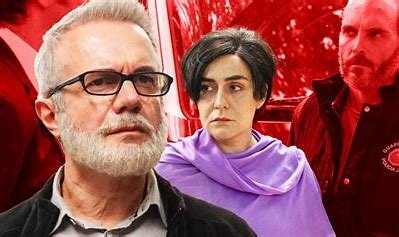
The Asunta Case, also known as the Caso Asunta in Spanish, sent shockwaves through Spain and beyond in 2013. A seemingly ordinary family vacation turned into a horrific nightmare with the disappearance and subsequent murder of 12-year-old Asunta Basterra Porto.
The ensuing investigation, trial, and lingering questions continue to captivate audiences even today.

This article delves into the complexities of the Asunta Case, exploring the events that unfolded, the investigation’s twists and turns, the controversial verdict, and the enduring questions that surround this tragedy.
A Family in the Spotlight: The Basterra Portos
At the center of the case stood the Basterra Porto family. Rosario Porto, a lawyer, and Alfonso Basterra, a journalist, adopted Asunta from China when she was a baby. The family presented an image of affluence and stability. However, beneath the surface, cracks began to appear.
Rumors swirled about tensions within the family, with some reports suggesting Asunta felt ostracized by her parents. These underlying issues would later become crucial aspects of the investigation.
A Disappearance and a Nation on Edge
On September 21st, 2013, Rosario Porto reported Asunta missing from their vacation home in Santiago de Compostela, Spain. The news sparked a nationwide search, with authorities and volunteers combing the area for any sign of the missing girl.
Just a day later, Asunta’s body was found in a wooded area near the family’s vacation home. The autopsy revealed she had been drugged with lorazepam, a powerful sedative, before being suffocated. This shocking discovery transformed the missing person case into a murder investigation.
The Investigation: A Web of Intrigue
The investigation into Asunta’s murder was complex and highly publicized. Here are some key aspects that fueled public interest and generated controversy:
Suspicion Falls on the Parents:
With no apparent outside suspects, suspicion quickly fell on Asunta’s biological parents. Authorities believed the seemingly well-off family might have a darker side, with potential motives like inheritance disputes or resentment towards Asunta’s adoption.
The Battle of the Experts:
The case hinged heavily on forensic evidence and expert opinions. Conflicting testimonies from psychologists, toxicologists, and crime scene investigators created confusion and doubt, making it difficult to establish a clear timeline of events.
Media Frenzy and Public Outrage:
The case received intense media coverage in Spain, often sensationalizing the details and portraying the parents in a negative light. This public scrutiny undoubtedly influenced public opinion and created pressure on the investigation.
The Trial and a Controversial Verdict
In 2015, after a lengthy and highly publicized trial, both Rosario Porto and Alfonso Basterra were found guilty of murdering Asunta. They received lengthy prison sentences. However, the verdict wasn’t without controversy:

Lack of Physical Evidence:
Critics argued that the prosecution relied heavily on circumstantial evidence and the parents’ alleged suspicious behavior. No concrete physical evidence directly linked them to the crime scene.
The “Third Person” Theory:
Some theories suggested the possibility of an unknown accomplice involved in the murder. However, investigators were unable to identify or locate this hypothetical third person.
Lingering Doubts and Unsolved Mysteries:
Despite the verdict, questions about the motive, the exact sequence of events, and the potential involvement of others outside the family still linger.
The Asunta Case: A Legacy of Loss and Unanswered Questions
The Asunta Case remains a chilling reminder of the complexities of human relationships and the devastating consequences of violence. It has sparked discussions about adoption issues, family dynamics, and the role of the media in high-profile cases.
While the legal proceedings have concluded, the lingering doubts surrounding Asunta’s murder continue to haunt the public imagination. The Asunta Case serves as a cautionary tale, highlighting the importance of thorough investigations, unbiased reporting, and a relentless pursuit of truth, even in the face of uncertainties and captivating narratives.
FAQs
What happened in the Asunta Case?
In 2015, 12-year-old Asunta Basterra was found dead in Galicia, Spain. Her adoptive parents, Rosario Porto and Alfonso Basterra, were later convicted of drugging and suffocating her.
Who was Asunta Basterra?
Asunta was a brilliant and artistic young girl adopted by Rosario Porto and Alfonso Basterra.
Why was the Asunta Case so widely publicized?
The case garnered international attention due to its tragic nature, the young age of the victim, and the high-profile suspects.
What evidence led to the conviction of Asunta’s parents?
Toxicology reports revealed Asunta had been drugged with lorazepam, and fibers from a bathrobe linked to Rosario were found near the body.
Did anyone else face charges in the Asunta Case?
No, only Rosario Porto and Alfonso Basterra were charged and convicted.
Is there any doubt about the verdict in the Asunta Case?
The jury’s verdict was unanimous, but some theories and speculation persist online.
What sentence did Asunta’s parents receive?
Both Rosario Porto and Alfonso Basterra were sentenced to 18 years in prison.
What happened to Asunta’s biological parents?
The identity of Asunta’s biological parents remains unknown.
Does the Asunta Case have any unresolved questions?
While the verdict has been reached, some continue to question the motive or if anyone else might have been involved.
What impact did the Asunta Case have on Spain?
The case sparked national conversations about child protection, adoption, and mental health.
Are there any books or documentaries about the Asunta Case?
Several books and documentaries have been produced about the case, offering in-depth analysis and perspectives.
Is there a memorial for Asunta Basterra?
Information regarding a public memorial for Asunta is limited, but private remembrances likely occurred.
Why do people search for information about the Asunta Case online?
The case’s tragic nature, the unanswered questions, and the ongoing public fascination with true crime all contribute to online searches.
How can I learn more about the Asunta Case responsibly?
Seek information from reputable news sources, legal documents, and documentaries produced by trusted media outlets. Be cautious of sensationalized content.
How can we honor Asunta’s memory?
Remembering her as a bright young girl and advocating for child safety are ways to honor her memory.
What resources are available for those affected by child abuse?
Several resources exist to support victims of child abuse and their families. Search online or contact local authorities for information.
What lessons can be learned from the Asunta Case?
The case highlights the importance of child protection, communication within families, and mental health awareness.
To read more click here