
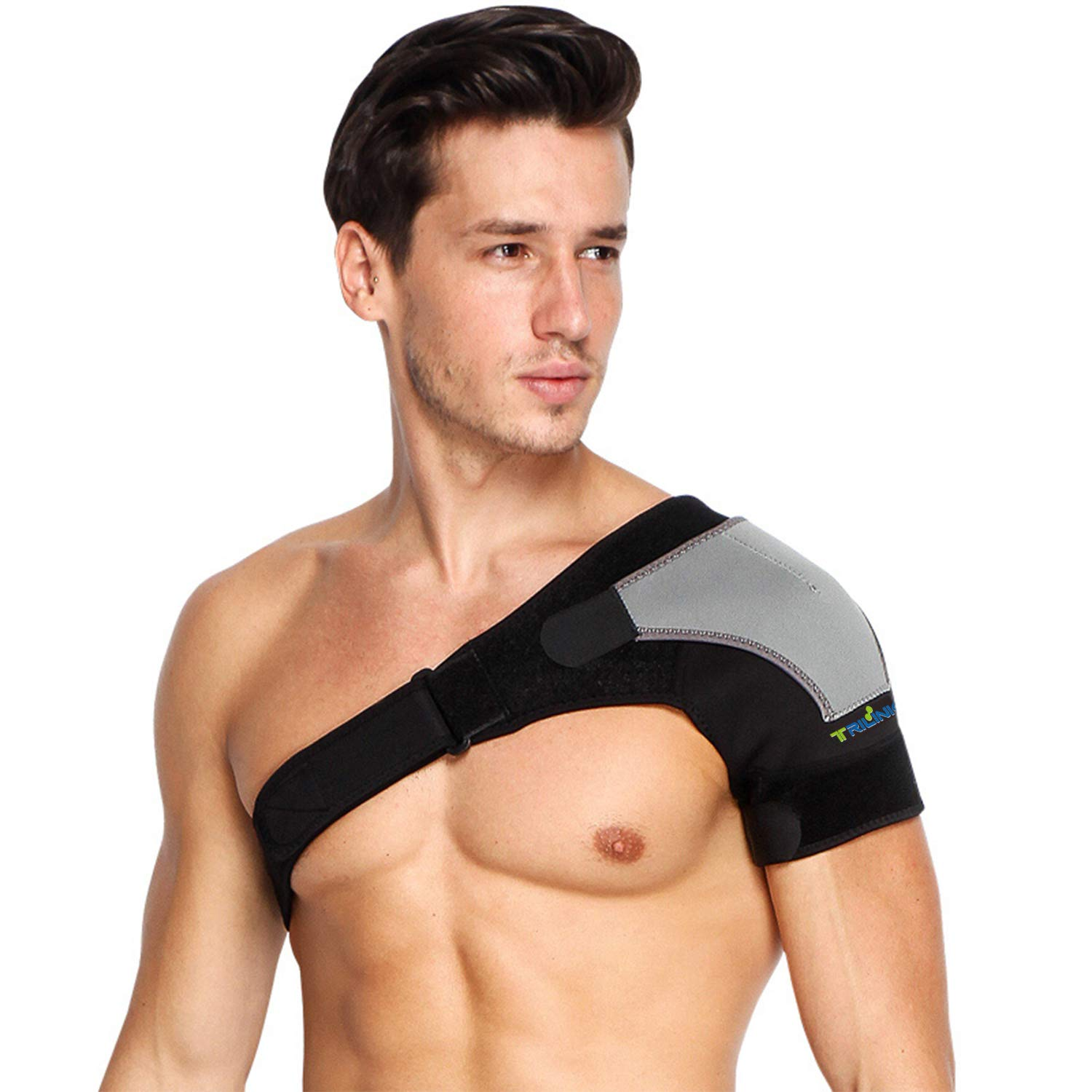
Shoulder pain can be debilitating, interfering with daily activities and reducing your quality of life. While rest and physical therapy are often recommended, shoulder support products can provide significant relief and aid in recovery. Let’s delve into the world of shoulder supports, understanding their types, benefits, and how to choose the right one for you.
Understanding Shoulder Pain

Before we dive into shoulder supports, it’s crucial to understand the common causes of shoulder pain:
Rotator cuff injuries: These tendons connect the shoulder blade to the upper arm bone and can become inflamed or torn.
Arthritis: Degenerative joint disease can affect the shoulder, causing pain and stiffness.
Dislocations and separations: Injuries to the shoulder joint can lead to pain and instability.
Overuse injuries: Repetitive motions, such as those in sports or occupations, can strain the shoulder muscles and tendons.
Types of Shoulder Supports
Shoulder supports come in various designs to address different conditions and levels of support. Here’s a breakdown of common types:
Shoulder slings: These are typically used to immobilize the shoulder after surgery or for severe injuries. They support the arm in a hanging position, reducing movement and promoting healing.
Shoulder immobilizers: Similar to slings but offer more support and restriction, often used for fractures or dislocations.
Shoulder braces: These provide compression and support to the shoulder joint, helping with conditions like rotator cuff injuries or arthritis. They can be adjustable and come in different levels of support.
Posture correctors: While not specifically for shoulder pain, they can help alleviate strain by improving posture and alignment.
Benefits of Shoulder Supports
Shoulder supports offer several benefits:
Pain relief: By providing support and compression, they can reduce pain and inflammation.
Improved mobility: Some supports can help maintain range of motion and prevent stiffness.
Healing promotion: By immobilizing or stabilizing the shoulder, they can facilitate healing and recovery.
Injury prevention: Wearing a shoulder support during activities can help prevent reinjury.
Enhanced performance: For athletes, shoulder supports can provide added stability and confidence.
How to Choose the Right Shoulder Support
Selecting the right shoulder support depends on several factors:
Type of injury or condition: Different supports are designed for specific problems.
Level of support needed: Consider the severity of your condition and the amount of immobilization required.
Comfort and fit: The support should be comfortable to wear and fit properly.
Doctor’s recommendations: Always consult your healthcare provider for guidance on the best option for you.

FAQs
Q: Can I sleep with a shoulder support?
A: It depends on the type of support and your doctor’s advice. Some supports are designed for nighttime use, while others may be uncomfortable or restrict movement.
Q: How long should I wear a shoulder support?
A: The duration of wear depends on the injury and treatment plan. Follow your doctor’s instructions.
Q: Can I exercise while wearing a shoulder support?
A: It depends on the type of support and exercise. Some supports allow for limited movement, while others may restrict activity. Consult your physical therapist or doctor.
Q: Will a shoulder support help with posture?
A: Some shoulder supports, especially posture correctors, can help improve posture by providing gentle support to the shoulders and upper back.
Q: Can I buy a shoulder support over-the-counter?
A: Yes, many shoulder supports are available without a prescription. However, it’s essential to choose the right one for your condition, so consult with a healthcare professional if needed.

What is a Shoulder Support?
A shoulder support is a medical device designed to provide stability and relief to the shoulder joint. It can be used to treat various shoulder conditions, including injuries, post-surgery recovery, and chronic pain. Shoulder supports come in different types and levels of support, depending on the specific needs of the user.
When Should I Use a Shoulder Support?
Shoulder supports can be beneficial in several situations:
Injury recovery: After a shoulder injury, a support can help immobilize the joint, reduce pain, and promote healing.
Post-surgery: Following shoulder surgery, a support can provide stability, prevent re-injury, and aid in the recovery process.
Chronic pain: For conditions like arthritis or bursitis, a shoulder support can offer relief from pain and discomfort.
Prevention: Athletes or individuals engaged in physically demanding activities can use a support to prevent injuries.
What are the Different Types of Shoulder Supports?
There are several types of shoulder supports available, including:
Shoulder slings: These immobilize the arm and provide support for the shoulder joint.
Immobilizers: These provide complete immobilization of the shoulder, often used after surgery.
Shoulder braces: These offer varying levels of support, from compression to stabilization.
Posture correctors: These focus on improving shoulder alignment and reducing strain.
How to Choose the Right Shoulder Support?
Selecting the right shoulder support depends on several factors:
Type of injury or condition: Different supports are designed for specific conditions.
Level of support needed: Some supports provide more immobilization than others.
Comfort and fit: The support should be comfortable and fit properly to be effective.
Doctor’s recommendation: It’s essential to consult with a healthcare professional to determine the best option for your needs.
Can I Sleep with a Shoulder Support?
Whether or not you can sleep with a shoulder support depends on the type of support and the specific recommendations from your healthcare provider. Some supports are designed for nighttime use, while others may be uncomfortable or even harmful to sleep in.

How Long Should I Wear a Shoulder Support?
The duration of wearing a shoulder support varies depending on the injury or condition. It’s crucial to follow your healthcare provider’s instructions. Generally, supports are worn for a specific period during the healing process.
Can Shoulder Supports Prevent Injuries?
While shoulder supports cannot completely prevent injuries, they can help reduce the risk by providing additional support and stability during physical activities.
Will a Shoulder Support Affect My Range of Motion?
Some shoulder supports, especially immobilizers, can limit your range of motion. However, many modern supports are designed to allow for a degree of movement while still providing support.
Can I Shower or Bathe While Wearing a Shoulder Support?
Most shoulder supports are water-resistant and can be worn while showering or bathing. However, it’s essential to check the specific care instructions for your support.
Where Can I Buy a Shoulder Support?
Shoulder supports are available at various retailers, including pharmacies, medical supply stores, and online platforms. However, it’s recommended to consult with a healthcare professional before purchasing to ensure you get the right support for your needs.
Additional Tips
Combine with other treatments: Shoulder supports work best in conjunction with physical therapy, medication, and rest.
Follow care instructions: Proper care will prolong the life of your shoulder support and maintain its effectiveness.
Listen to your body: If the support causes more pain or discomfort, discontinue use and consult your doctor.
By understanding the different types of shoulder supports and their benefits, you can make an informed decision about which one is right for you.
To read more, Click Here